
Why We Still Love Mission: Impossible’s Ethan Hunt
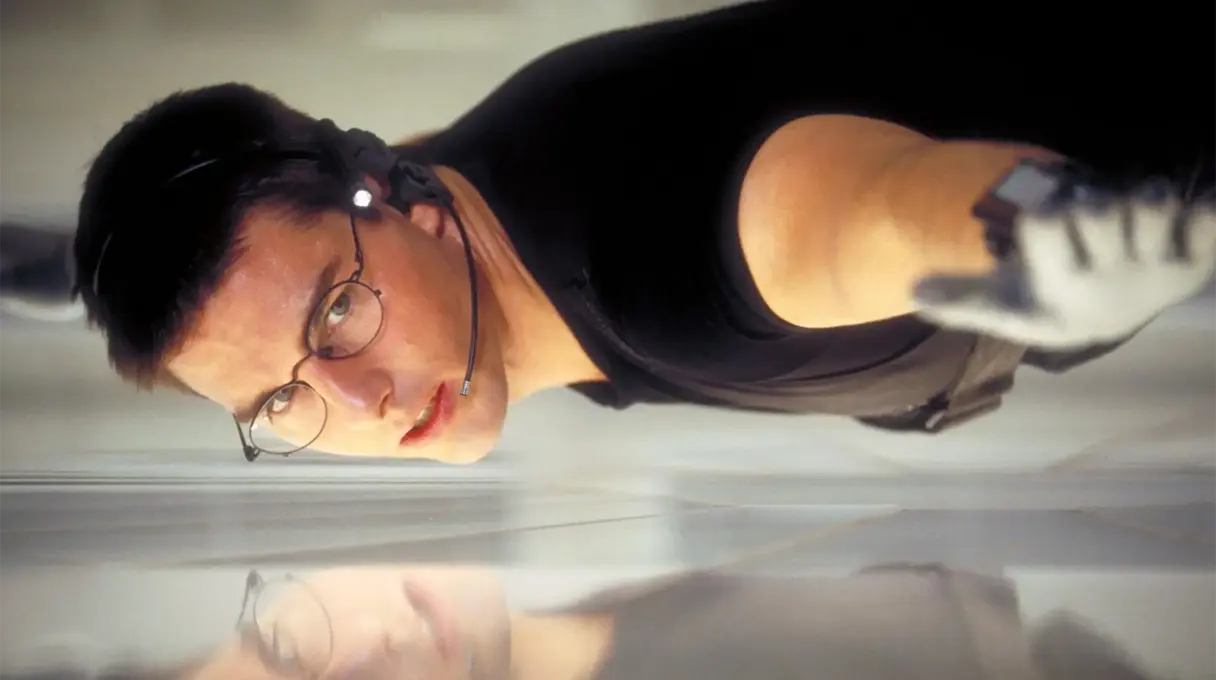

As the original Mission: Impossible celebrates its 30th anniversary, Nadira Begum argues that the film serves as a blueprint for the action franchise as a whole, particularly with regard to Tom Cruise’s character. Since 1996, he’s been a self-assured but sensitive spy whose deadliest weapon is his charisma.
In a building located on a bustling street in Prague, disavowed IMF agent Ethan Hunt (Tom Cruise) sits with a crude mask over his head, waiting to meet arms dealer ‘Max’ (Vanessa Redgrave). Hunt has been framed as the mole codenamed ‘Job’ – employed by Max to acquire a top-secret CIA NOC list that contains the hidden identities of every undercover agent in Europe – and has no choice but to lure out the real mole in order to clear his name. His freedom hinges on this meeting, so he puts on a performance. With a smirk on his lips and a twinkle in his eye, he reveals that he isn’t Job, unaware that Max suspected this all along. He had a tell – his tone. Ethan Hunt doesn’t speak (or type, in this instance) like a typical field agent. His tone is, in Max’s words, ‘aggressive but playful’, a sure sign that he couldn’t be her mole.
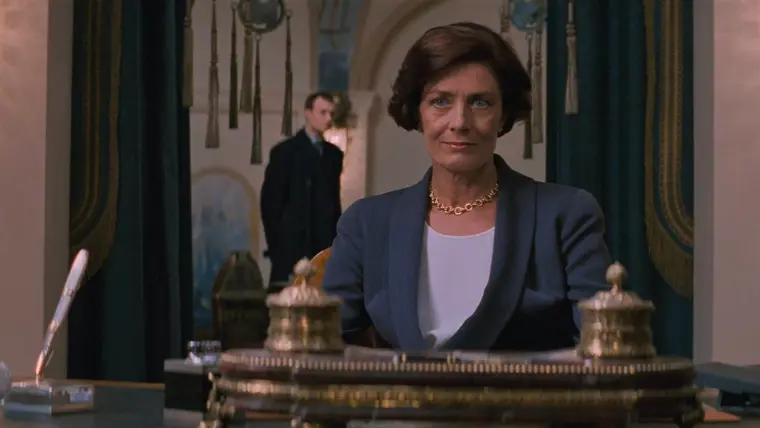
Those three words, spoken very briefly in the middle of the first Mission: Impossible, have come to define the franchise in the 30 years since the film’s release. As a guiding principle, ‘aggressive but playful’ has proven to be effective in finding the series’ signature formula. The now iconic Mission: Impossible style hadn’t yet been perfected, but the basic ingredients of this franchise were established with astounding precision in the very first film.
You take one bright-eyed agent, give him a team of people willing to defy any and all orders to help him, throw in a few death-defying stunts and you’ve got a recipe for the perfect summer blockbuster. As the films progress, the stakes get higher and the stunts become more elaborate (and more terrifying), but the tone always dances that fine line between comical and absurd. It’s a delicate balance that isn’t always achieved (2000’s M:I 2 is perhaps better left forgotten), but when it’s done right, we’re reminded why Cruise decided this was the first film in his career worthy of a sequel.
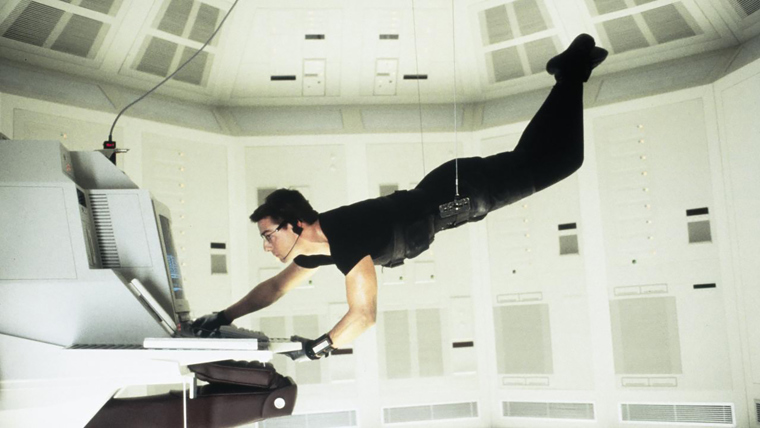
In a 1996 interview with CBS News, when probed about the potential for Mission: Impossible to expand into a franchise, Cruise initially hesitated. As a staunch ‘no sequels’ kind of actor, the thought of him heading a franchise seemed almost laughable. ‘It would all depend on the material, whether we can really not be redundant with it,’ he demurred, holding his cards to his chest while he waited to see how the first film would be received.
He’d approached the project with the intention of studying how filmmakers capture motion and stunts on screen, perfecting what he referred to as ‘motion action’ for the camera. If the film was a failure, he wasn’t afraid to walk away with this knowledge in his back pocket for any future action endeavours. Thirty years and a whopping seven (eighth one pending) sequels later, the Mission: Impossible franchise has undoubtedly changed the landscape of modern action cinema, and has become the defining project of Cruise’s career. It’s astounding, then, to think that the first film almost didn’t get made.

Paramount had tried for years to spin a movie from the successful Mission: Impossible TV series, but to no avail. It was only when Cruise founded his own production company with then agent Paula Wagner that Mission: Impossible found its wings – and a director in Brian De Palma, who made this film stand out from the other genre movies of the Nineties. Rather than cramming in non-stop action sequences, De Palma wasn’t afraid to linger in the quiet moments. In many ways, Mission: Impossible felt like an homage to film noir and the espionage shows of yore: POV shots and slow zooms to build tension, low angles to emphasise menace, Dutch tilts when something is amiss.
It’s an old-fashioned kind of cinematic storytelling that may border on kitsch, but it successfully used the tools of the medium to enhance its story. It’s the kind of visual language we’re sorely lacking from modern action films, which suffer from the MCU bug of static shots and soulless framing, and it’s a bet that eventually paid off. De Palma’s vision, partnered with Cruise’s dedication to the craft, laid the groundwork for what would become one of the most successful franchises of all time.
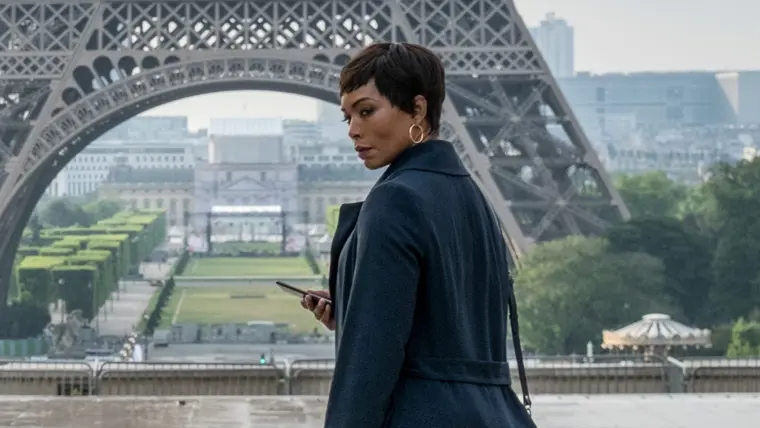
On paper, it would seem (forgive me) impossible to keep audiences returning to watch what is essentially, as CIA director Erika Sloane (Angela Bassett) so delicately puts it, ‘a bunch of grown men in rubber masks playing trick-or-treat’, but somehow Cruise has managed it. He didn’t need to fear the premise becoming redundant; it turns out that if you give audiences the same heart-pumping, high-stakes action sequences led by the lovable rogue that thrilled them in the first film, they’ll always come back for more. The blueprint was written with Mission: Impossible – everything we love about the later films is right there in the first one.
The sleight-of-hand tricks keep us guessing (does Ethan have the real NOC list or a decoy?), the back-and-forth with hacker Luther (Ving Rhames, the only other actor besides Cruise to appear in every Mission film thus far) feels as fresh as it does familiar. More than anything, Mission: Impossible is perhaps the only film in the franchise that carries an unshakeable belief that its hero will survive against all odds.
An element of jeopardy is added to keep us guessing – Benji (Simon Pegg) struggles to crack a code on time, Hunt runs out of breath underwater and has to be rescued, he’s trapped in a submarine with someone who wants him dead and, again, has to be rescued. The first film has a different relationship with the agent. After his entire team is killed in action, Hunt operates like a lone ranger, and at no point are we led to believe that he’s on the backfoot, not even when it seems as though the odds are stacked against him.
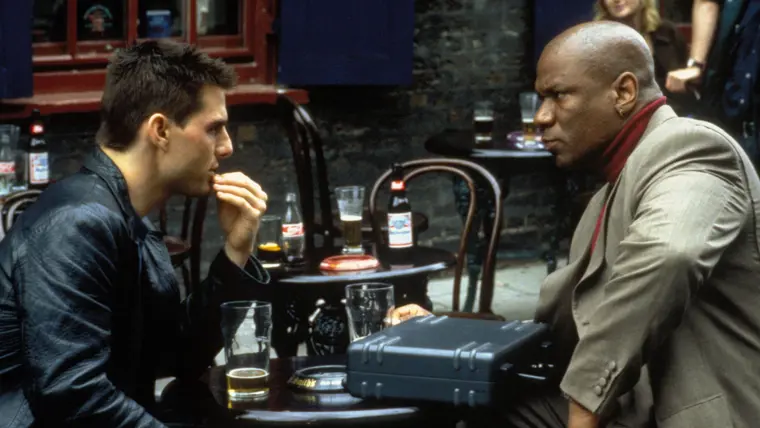
Modern action films are riddled with cynicism and irony; Mission: Impossible never once lost faith in its hero. As a character, Ethan Hunt is already fully embodied here: he’s slick and self-assured, but still sensitive enough to endear him to an audience. He’s allowed to be cocky, but can’t be off-putting. It’s a performance that requires a crucial balance of confidence and vulnerability, and Cruise toes this line expertly. That Hunt is able to charm an arms dealer into smiling at him like he’s nothing more than a cheeky toddler speaks volumes; this man has a plethora of weapons in his arsenal, but his charisma is perhaps the deadliest one.
As the Mission franchise has expanded over the years, various characters have tried to sum up Ethan Hunt. To IMF secretary Alan Hunley (Alec Baldwin), he’s a flight risk who’s uniquely trained and highly motivated. To assassin August Walker (Henry Cavill), he’s a man who just won’t die. At one point, he’s even described as the living manifestation of destiny. No big deal.
But of all the Hunt descriptors, none have captured his essence quite so succinctly as Max’s assessment in that meeting room in Prague. At the end of the day, it all comes down to those three words: aggressive but playful. It’s an astute observation that pulled apart Hunt’s charade in the moment and offered Cruise a guideline for how to approach the character in the years to come, whether he was aware of it or not.
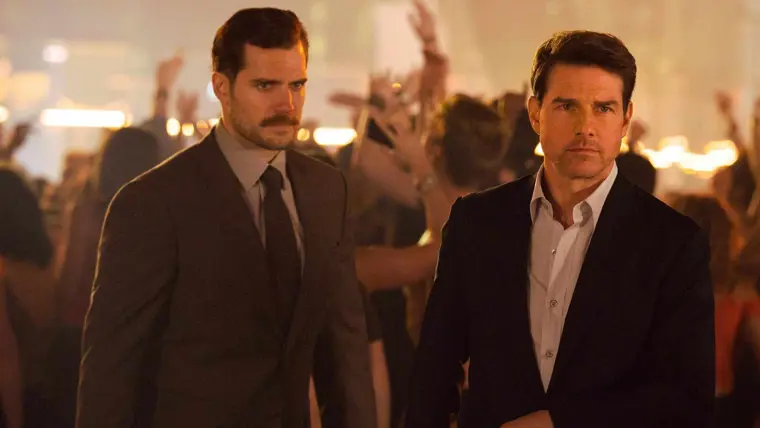
It’s precisely that blend of charm and peril that has kept audiences hooked for three decades, and it’s years of dedication that have allowed Cruise to build a relationship where audiences trust him, just as Mission: Impossible trusts Hunt, to complete a mission no matter what. Various other franchises have endeavoured to steal Cruise’s attention, but to little success. Jack Reacher (2012-2016) ran out of steam, The Mummy (2017) was practically dead-on-arrival, but Mission: Impossible rarely failed.
Perhaps it’s because there’s an element of character bleed here: it’s admittedly quite hard to differentiate between Tom Cruise the actor and Ethan Hunt the character, harder still to imagine who Cruise would be without Hunt. He certainly wouldn’t be the actor we know today, always willing to put his life on the line in increasingly hare-brained stunts, all in the name of cinema. At this point, the two are almost completely indistinguishable.
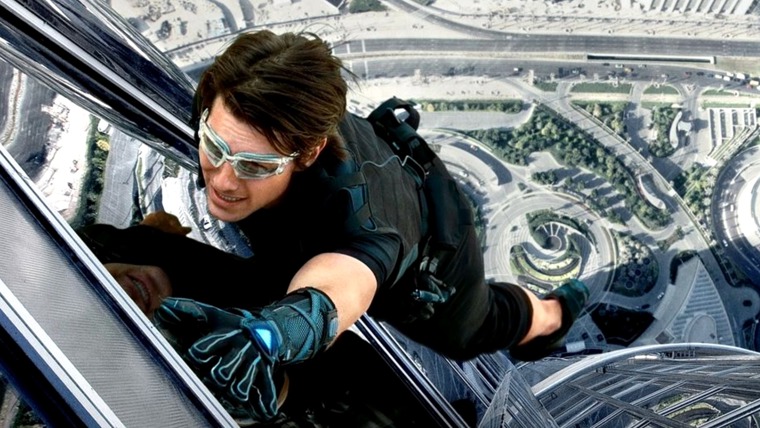
If Ethan Hunt was the hero in a Greek tragedy, his fatal flaw would be that he is just too human – he gets attached, wears his heart on his sleeve and then has to swallow the grief to complete his mission regardless. If Cruise was a Greek hero, his flaw would be the exact opposite – that he’s almost too inhuman, an otherworldly creature that refuses to say no and has, for whatever reason, dedicated his life (and body) to cinema. Instead of spying for his country, the past 30 years have tasked Cruise with the mission of keeping us on the edge of our seats, thoroughly entertained and completely enthralled. In that regard, he can consider his mission well and truly accomplished.
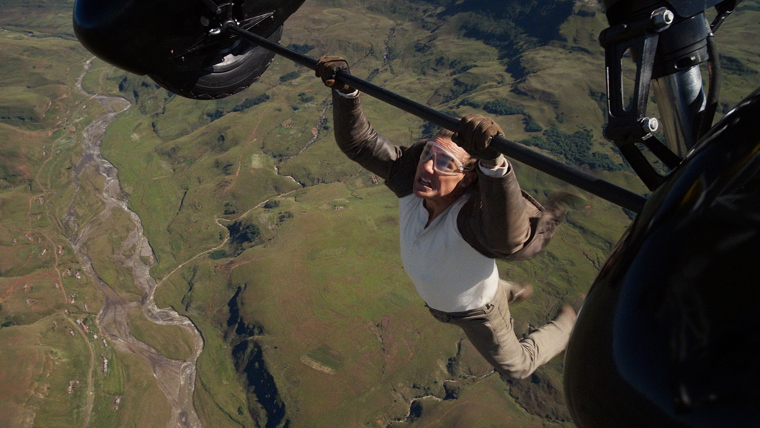
In 1996, the question was ‘Will there ever be another Mission: Impossible?’ Now, it seems a better question would be “Will Mission: Impossible ever end?’ With an audience so eager to continue buying into these films, are we sure we ever want it to end? Thirty years ago, Tom Cruise wasn’t certain of Mission: Impossible’s future, but it feels ludicrous to imagine a world without the prospect of a new Mission film on the horizon, certainly not while Cruise is still alive and well enough (or maybe deranged enough) to continue risking his life for the sake of our entertainment.
The potential scope of a new Mission: Impossible film has always offered a reprieve from the relentless mundanity of modern blockbusters, so if more Mission movies means more time spent watching this man dangle from various planes, trains and automobiles, then light the fuse. I never want it to end.
RELATED ARTICLES
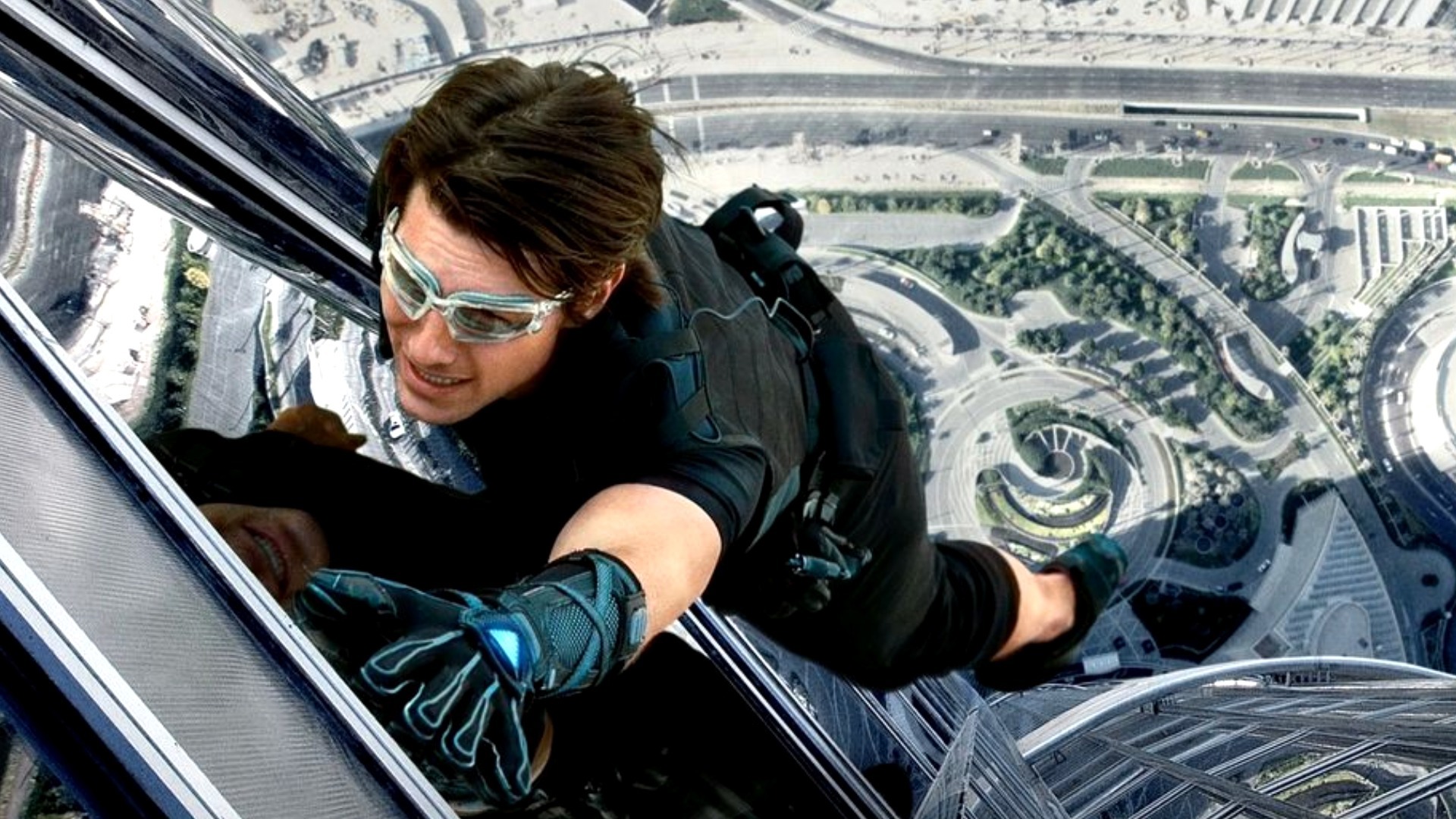
List
The Mission: Impossible Movies – Ranked
Combing through every mask reveal and mind-blowing stunt, Yasmin Omar decides which are the best films in the Tom Cruise blockbuster action series.
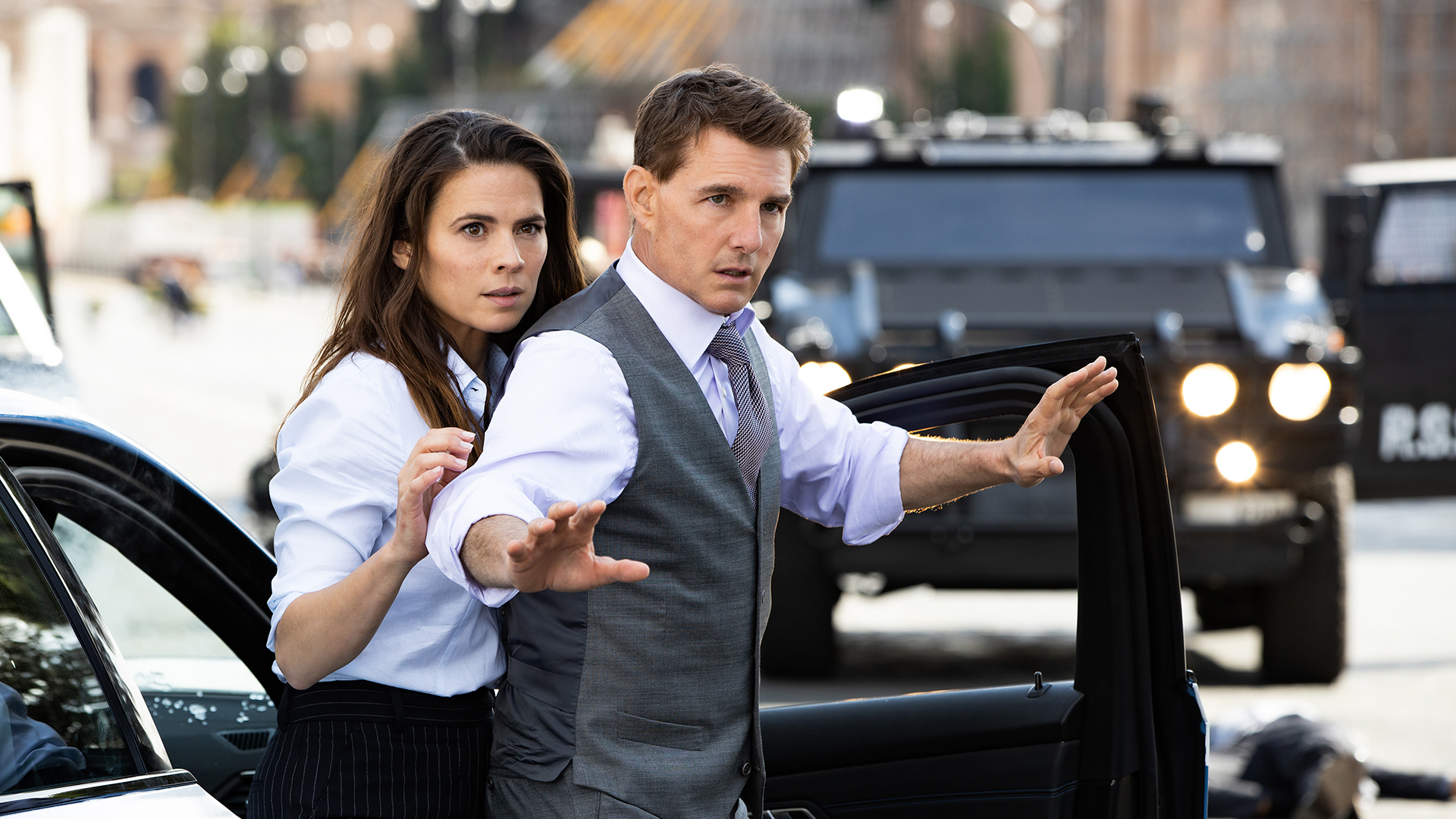
Review
Mission: Impossible – Dead Reckoning Review: Tom Cruise’s Epic, Heart-Stopping Thrill Ride
Just when you thought the daredevil action star couldn’t possibly reach greater heights, he exceeds expectations in this jaw-dropping, no-holds-barred sequel, writes Yasmin Omar.
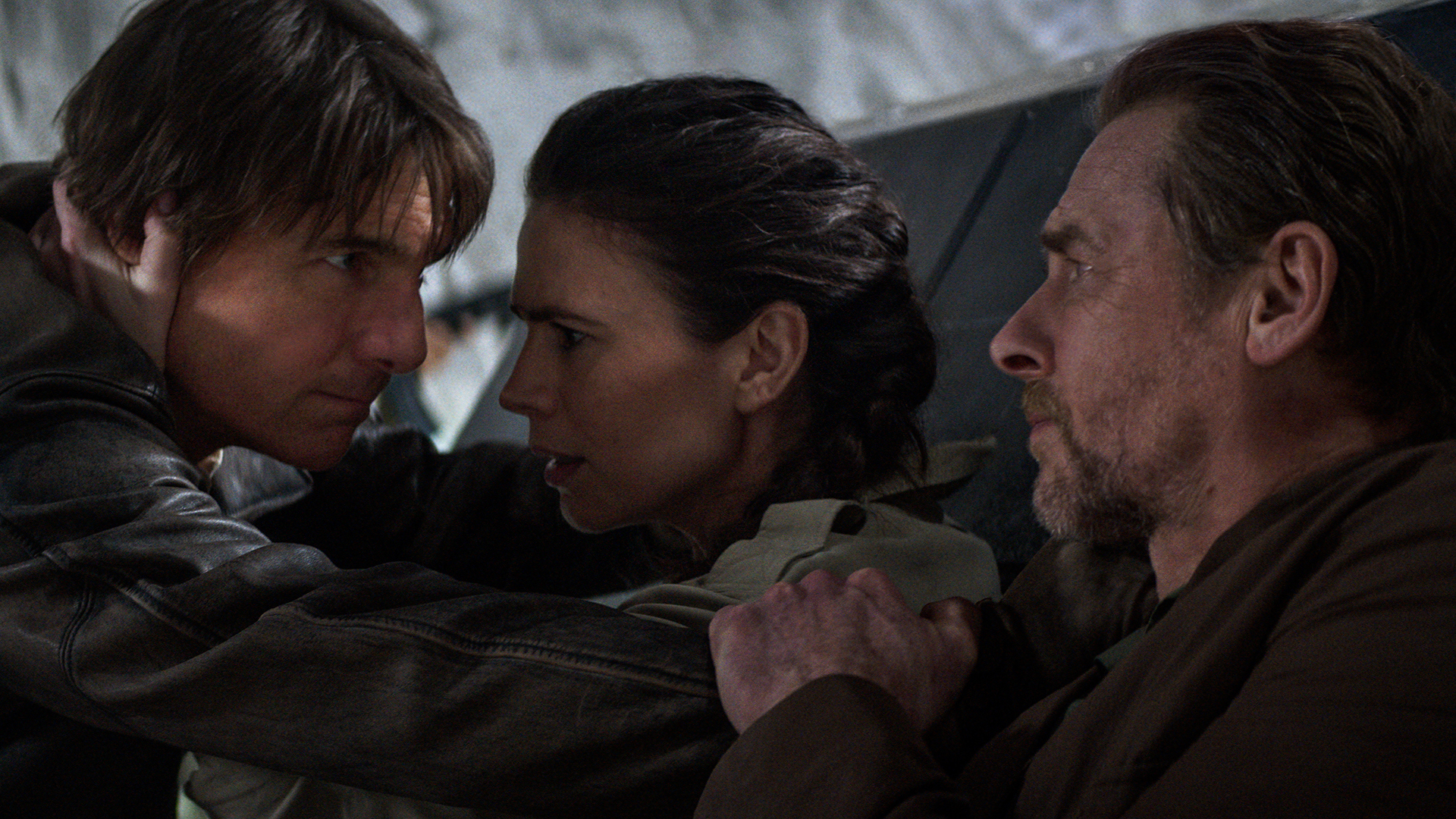
Review
Mission: Impossible – The Final Reckoning Review: It’s Hard to Say Goodbye
Tom Cruise will break your heart in the last chapter of his celebrated espionage franchise, a self-reflexive, minor-key movie that bids farewell to Ethan Hunt and the gang. By Yasmin Omar