
Best Apocalypse Movies
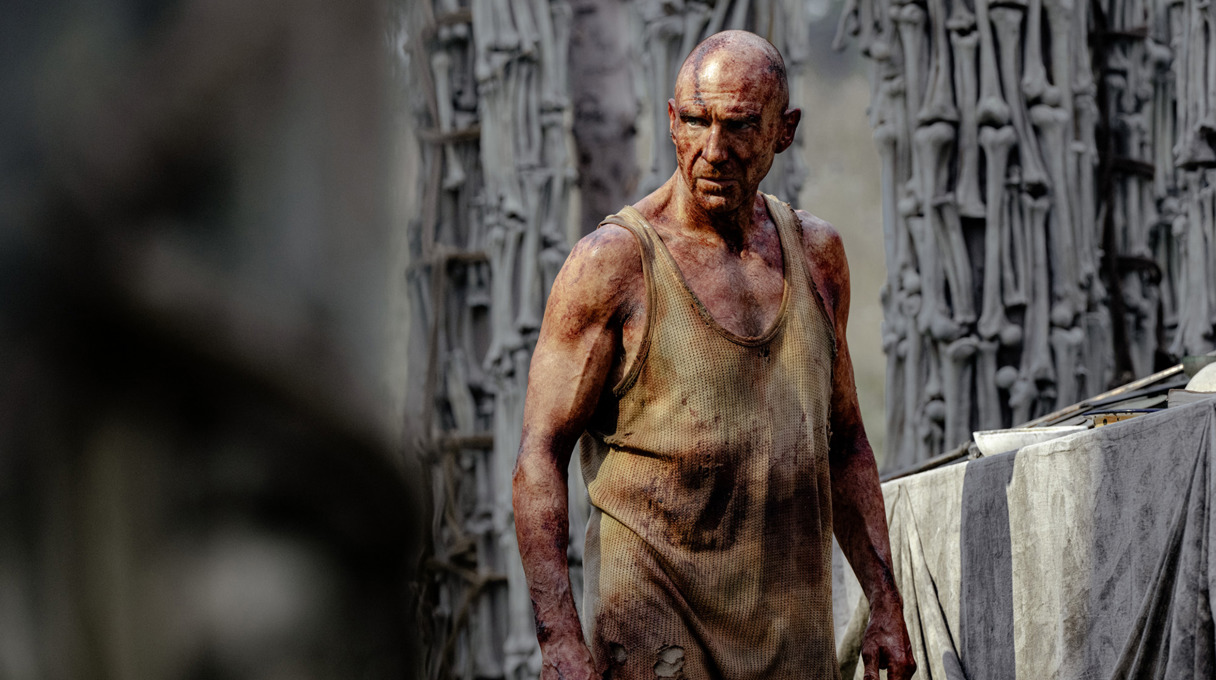

It’s the end of the world as we know it all over again. Back in 2002, audiences were haunted by scenes of Cillian Murphy wandering through a deserted central London in Danny Boyle’s lo-fi modern horror classic 28 Days Later. Now, Boyle and Alex Garland have reteamed to terrify a new generation. In 28 Years Later we find a group of rage-virus survivors eking out an existence on an island in the north of England. But when 12-year-old Spike (Alfie Williams) and his father Jamie (Aaron Taylor-Johnson) venture to the mainland to carry out a crucial mission, they discover that the virus hasn’t just spread, it’s evolved.
The cinematic apocalypse comes in various forms. It might be a huge-scale natural disaster like Armageddon (1998), alien invasion à la A Quiet Place: Day One (2024), or a self-inflicted end of days via nuclear war (1959’s On the Beach) or environmental collapse (2014’s Interstellar). Then, of course, there are the incursions by zombies, robots or chimpanzees. Sometimes, like in 2009’s ultra-grim The Road, the cataclysmic event is left ambiguous, and very occasionally you might even get a moderately happy ending. Read on for a guide to some of cinema’s most memorable ends of days, ranked by how soul-destroying they are.
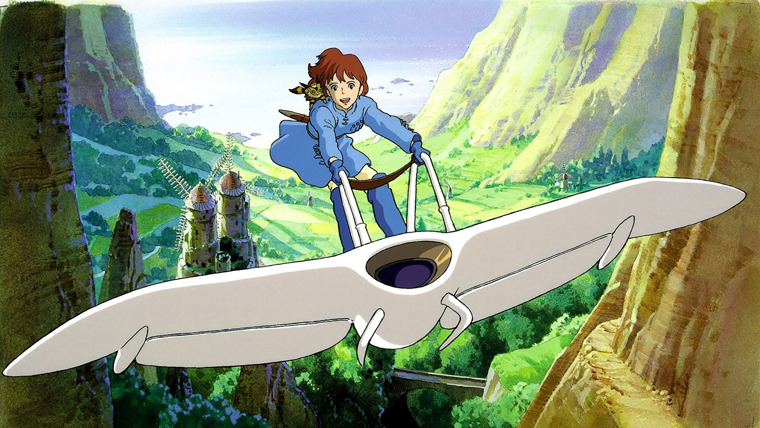
Nausicaä of the Valley of the Wind (1984)
Based on his own manga, Hayao Miyazaki’s post-apocalyptic fantasy has plenty of grim sequences. Set 1,000 years after the Seven Days of Fire, a global war that nearly wiped out civilisation and poisoned the planet, the film opens with the sight of an abandoned doll crumbling to dust as the Sea of Decay encroaches over the Earth. But Princess Nausicaä (Sumi Shimamoto) is hope incarnate. She’s the only one in this warmongering new world to sympathise with the giant destructive arthropods, believing a future of reconciliation and recovery is possible.
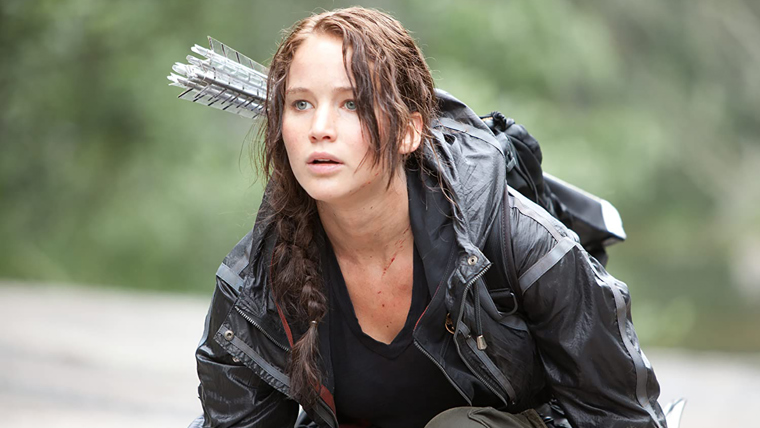
The Hunger Games (2012)
It’s easy to forget what The Hunger Games series is actually about, considering its status as one of the most enduring young-adult franchises, with more prequel films currently in the works and a stage adaptation debuting in London this year. Author Suzanne Collins was inspired by flipping TV channels between a reality competition and coverage of the Iraq war. It’s the story of children forced to brutally murder each other for the entertainment of the elite class in an authoritarian state – but don’t let that put you off. The rebellion of tribute Katniss (Jennifer Lawrence), a blossoming romance and some comic relief from Elizabeth Banks’ Effie lighten things up a bit.
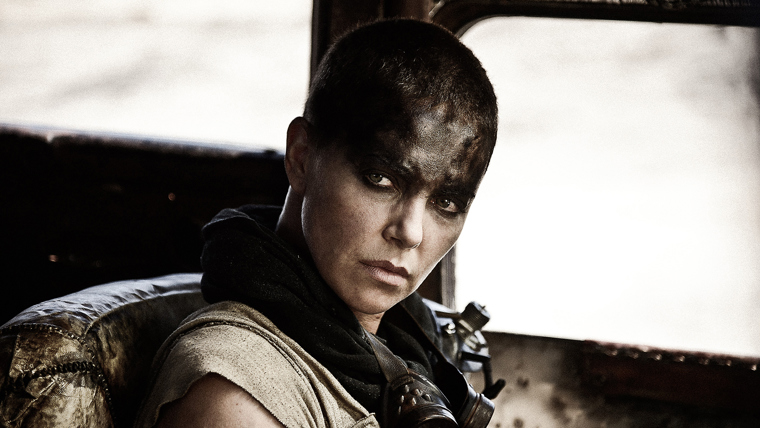
Mad Max: Fury Road (2015)
As fictional universes go, the one inhabited by ‘Mad’ Max Rockatansky (Tom Hardy) isn’t especially appealing. Ecocide and conflict over dwindling oil supplies have turned the planet into a desert wasteland ruled by warlords. And although Mad Max: Fury Road isn’t short on horrors, its heart-pounding action sequences that were decades in the making – coupled with the feminist resistance of Charlize Theron’s Furiosa – ensure this film is a thrilling entry into the post-apocalyptic canon. The Green Place might prove to be a false hope, but Max and Furiosa’s relationship evolving from mutual distrust to ride-or-die camaraderie is genuinely touching.
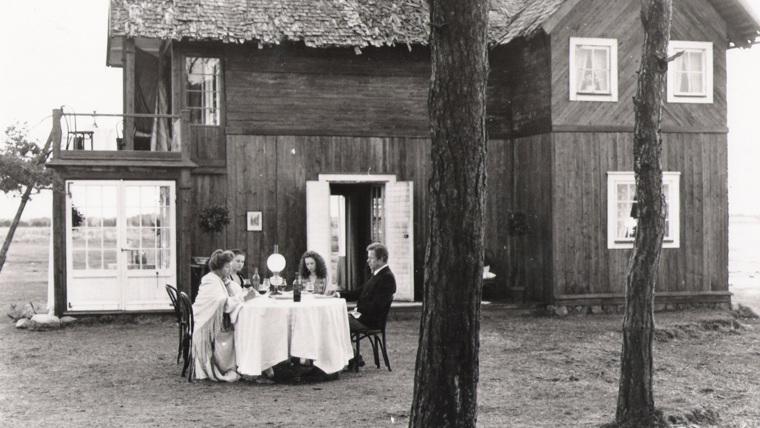
The Sacrifice (1986)
Andrei Tarkovsky’s Stalker (1979), considered to be one of the greatest films of all time, is a sci-fi-inflected parable about the nature of human desire, faith and consciousness set in a dystopia apparently irrevocably altered by extraterrestrial activity. But Tarkovsky’s last film, The Sacrifice, depicts a more realistic form of annihilation: nuclear war. Drawing on the work of Ingmar Bergman, the film portrays a man’s bargaining with God to spare humanity from the impending World War III, and the necessary sacrifice seems to result in a miracle. The movie features a spectacular final sequence of a house burning to the ground, a continuous shot so complex the cast and crew burst into tears when it was done.
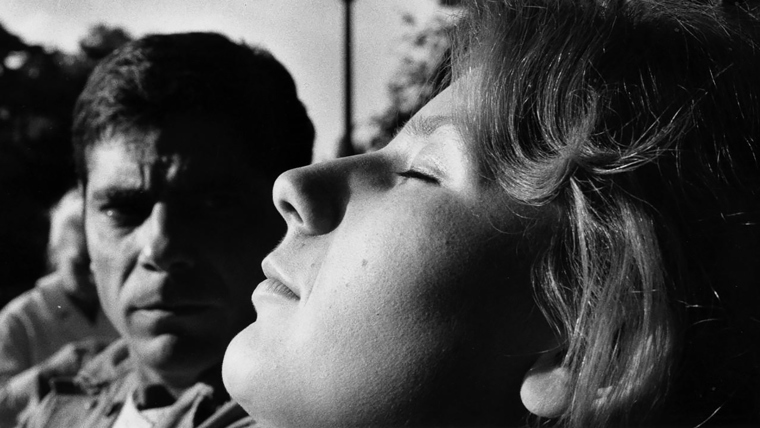
La Jetée (1962)
Like the films of Tarkovsky, the 1962 short La Jetée, directed by Left Bank auteur Chris Marker, has been rightfully enshrined as a masterpiece. What remains of Parisian society after a nuclear holocaust lives underground, and scientists are developing time travel in order to ask the more advanced people of the future to aid those of the past, eventually sending our protagonist both forward and back. Told using still photographs and narration, La Jetée’s unforgettable ending is as bittersweet as they come, and so impactful that it inspired Terry Gilliam’s much more conventional 12 Monkeys (1995).
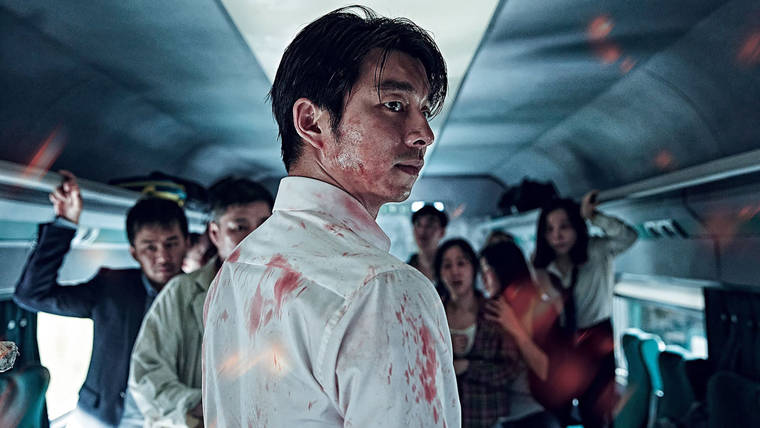
Train to Busan (2016)
An abrupt shift now from meditative French New Wave to frenetic thrills in Train to Busan, the Korean zombie-action-horror genre hybrid that proved to be an international sensation. Seok-woo (Gong Yoo), a divorced workaholic, gains a renewed sense of purpose when the train he’s travelling on with his young daughter Su-an (Kim Su-an) becomes overrun with zombies. He finally sets his own selfish needs aside, putting himself in danger to save strangers aboard the train as well as protect his daughter. A plea for compassion and generosity, it offers glimmers of hope even as the blood starts to flow.
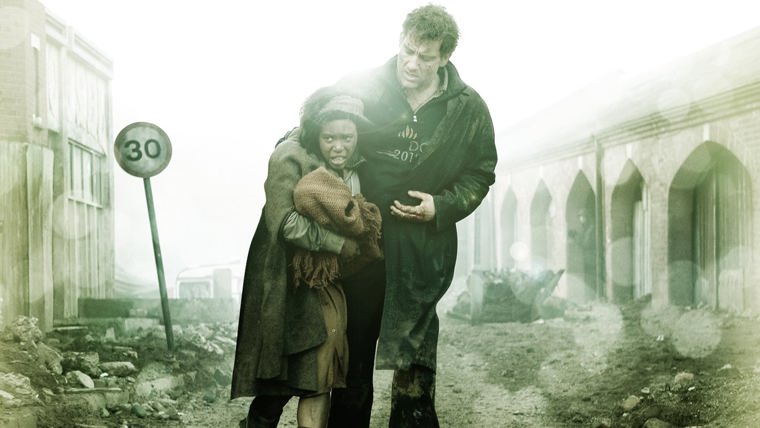
Children of Men (2006)
More resonant now than it was when it was released in 2006, Alfonso Cuarón’s Children of Men feels like a profoundly realistic reflection of Western society post 9/11. Set in the year 2027 (!), it follows the attempts of Theo (Clive Owen) to protect a pregnant refugee in a world where no babies have been born for 18 years. It certainly offers a now all too familiar vision of British society, with refugees imprisoned in detention centres and headlines describing war and climate collapse. But all is not totally lost, as the unborn child represents a new messiah and the possibility of humanity’s salvation.
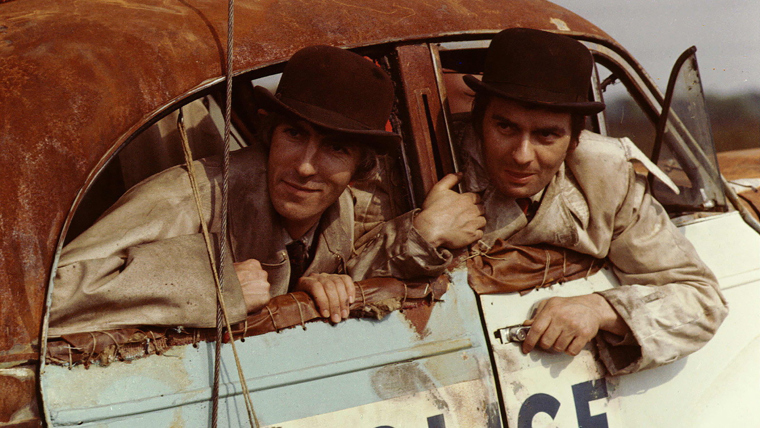
The Bed Sitting Room (1969)
‘The great nuclear misunderstanding lasted two minutes and 28 seconds (including the peace treaty),’ declares the poster for The Bed Sitting Room, an absurdist British black comedy. Directed by Richard Lester and written by Spike Milligan, it follows the bizarre survivors of a nuclear attack, some of whom start transforming into objects, such as the titular bed sitting room. At once a satire of rising Cold War tensions and a prophetic vision of a chaotic future, it’s a flawed but fascinating film with a good few laughs in between bouts of radiation poisoning.
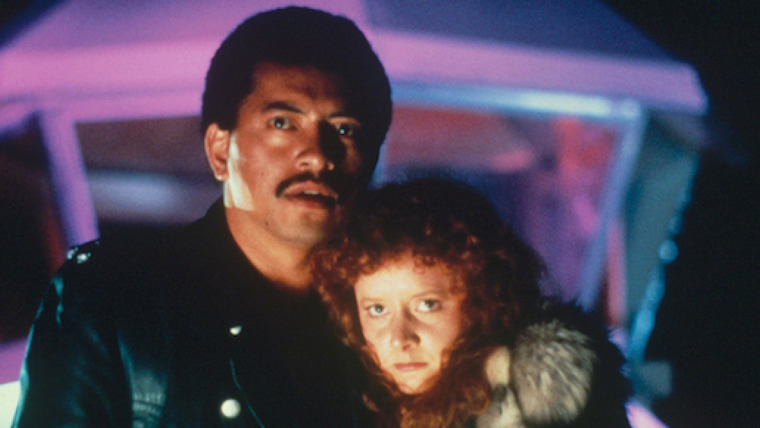
The Quiet Earth (1985)
I Am Legend, the 1954 novel by Richard Matheson, has been adapted several times, with the best known take being the Will Smith iteration (RIP Sam the Alsatian). Another underrated version of this cursed-to-survive narrative is The Quiet Earth, a 1985 sci-fi cult classic made in New Zealand. Zac Hobson (Bruno Lawrence) wakes up one morning to find Auckland deserted. His work on an experimental global energy grid has resulted in The Effect, an apocalyptic event that seems to have eliminated everyone on the planet. While he does eventually make contact with two other survivors, the film’s jaw-dropping ending indicates he might be trapped wandering the universe alone forever.
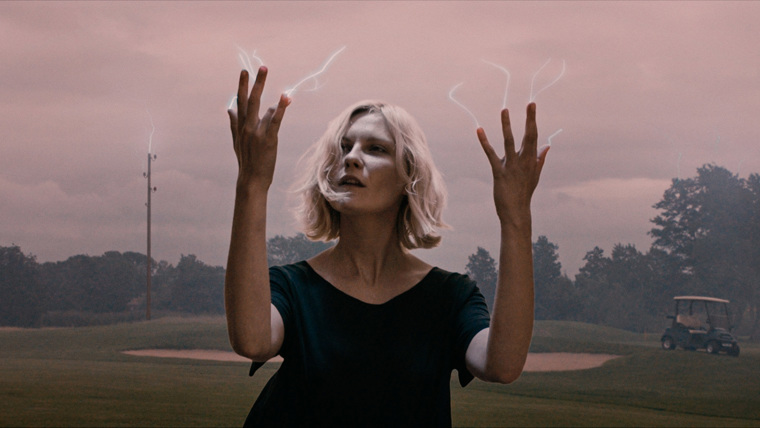
Melancholia (2011)
Lars von Trier’s work has never been cheery. He can’t help but reveal his misanthropic worldview in his films, and he takes on nothing short of humanity’s total annihilation in 2011’s masterful Melancholia. Kirsten Dunst gives a shattering performance as Justine, a woman experiencing a depression so deep she actually welcomes the Earth’s collision with the vast planet Melancholia. Inspired by one of his own depressive episodes, von Trier crafts an operatic yet empathetic take on the end of days.
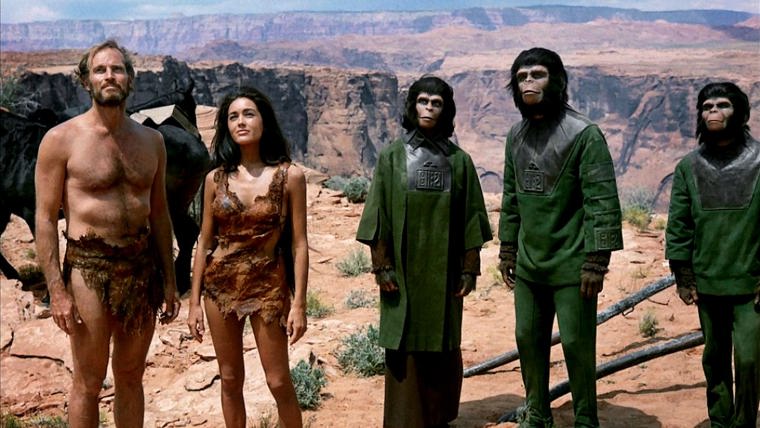
Planet of the Apes (1968)
Every film fan knows the unbelievably bleak ending of 1968’s Planet of the Apes. It’s one of the most famous movie twists of all time and the multiple sequels, Tim Burton remake and the more recent prequel series have rather damaged the impact of the original’s final note (the spoof musical on The Simpsons certainly didn’t help). But it still packs a punch on a rewatch. After a dramatic escape, Charlton Heston’s Taylor collapses at the site of the ruined Statue of Liberty, understanding that the alien planet where humans are slaves to authoritarian apes was really Earth all along.
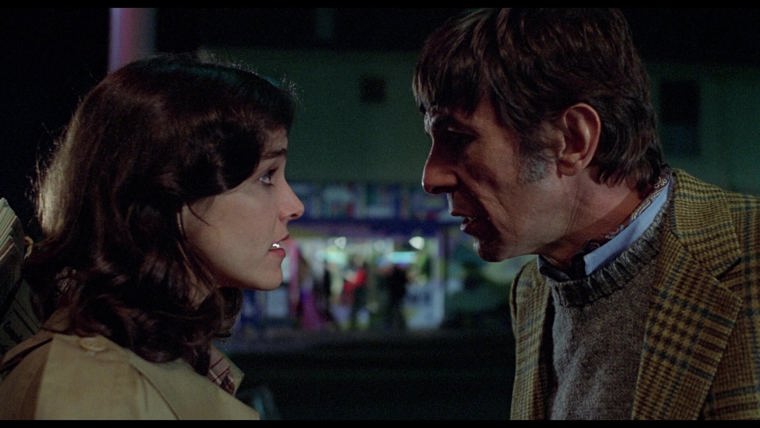
Invasion of the Body Snatchers (1956 & 1978)
Another novel that’s been adapted several times is Invasion of the Body Snatchers, with the 1956 and 1978 adaptations in particular reflecting the specific tensions of their respective political moments. An alien species infiltrates humanity by replacing people with identical emotionless drones, which in 1956 feels like a mirroring of fears of Communist spies, while in 1978 the paranoia speaks to an America post-Watergate. Donald Sutherland and Brooke Adams’ sparkling chemistry in this later version makes the notoriously downer ending all the more tragic.
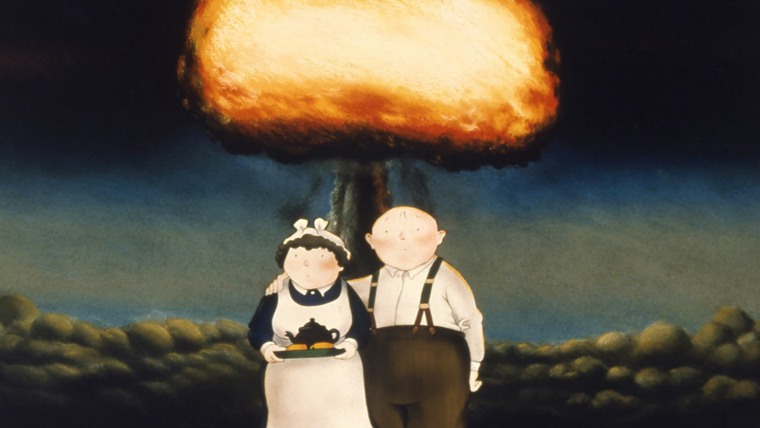
When the Wind Blows (1986)
Don’t be fooled by its cosy visuals, When the Wind Blows is decidedly not for children. It might have been written by The Snowman’s Raymond Briggs, but it’s a harrowing indictment of the British’s government failure to prepare the population for a nuclear strike, as well as the insanity of Mutually Assured Destruction. Elderly couple Jim and Hilda Bloggs (John Mills and Peggy Ashcroft) are too naive to realise that the carnage wrought by a nuclear missile is nothing like what they experienced during World War II, that the state’s advice is useless and that no one is coming to save them from the fallout. As their condition worsens, their Blitz spirit gives way to despair, rendering this short film absolutely impossible to forget.
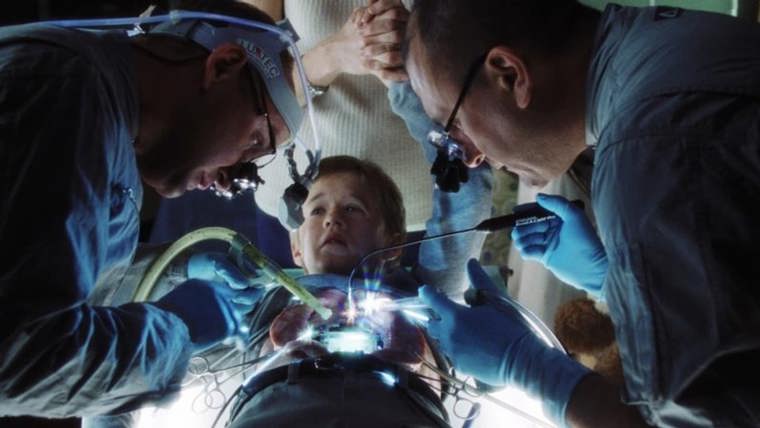
A.I. Artificial Intelligence (2001)
Steven Spielberg’s trio of sci-fi thrillers from the early 2000s – A.I. Artificial Intelligence (2001), Minority Report (2002) and War of the Worlds (2005) – offers unexpectedly dark visions of potential futures. But A.I., which Spielberg had worked on with Stanley Kubrick before his death, is by far the most devastating. In a society decimated by climate change, David (Haley Joel Osment), a robot ‘mecha’ child, seeks to become human after being abandoned by the mother who activated him. It’s as if The Terminator had an intense existential crisis. Though A.I.’s ending was initially misread as sentimental, it’s since been reevaluated as a truly haunting rumination on what it means to be human through the eyes of a neglected child.
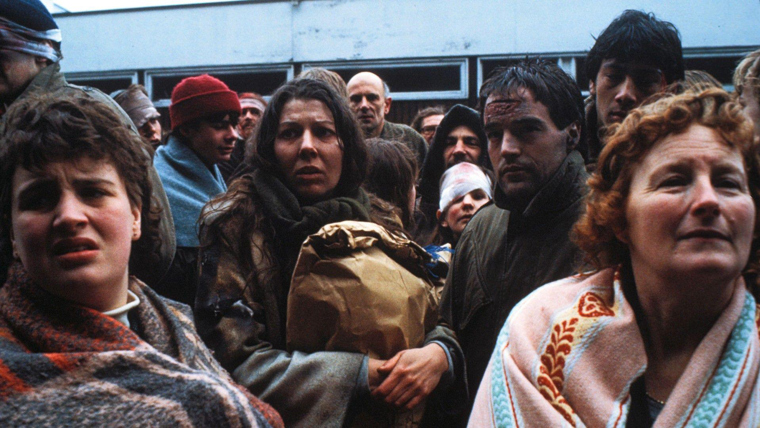
Threads (1984)
And finally, undoubtedly the most disturbing of them all is the 1984 television film Threads; once seen, never forgotten. So shocking it was rarely repeated on the BBC, it depicts the impact of nuclear war between the US and the Soviet Union on two families in Sheffield. Made at the height of the Cold War, the film offers a stark warning, illustrating the rapid disintegration of British society into a kill-or-be-killed fiefdom amid the brutality of nuclear winter. If you’re counting down the days until 28 Years Later: The Bone Temple, this visceral and all too plausible horror might satiate you – but don’t blame us if it gives you nightmares.
RELATED ARTICLES
Article
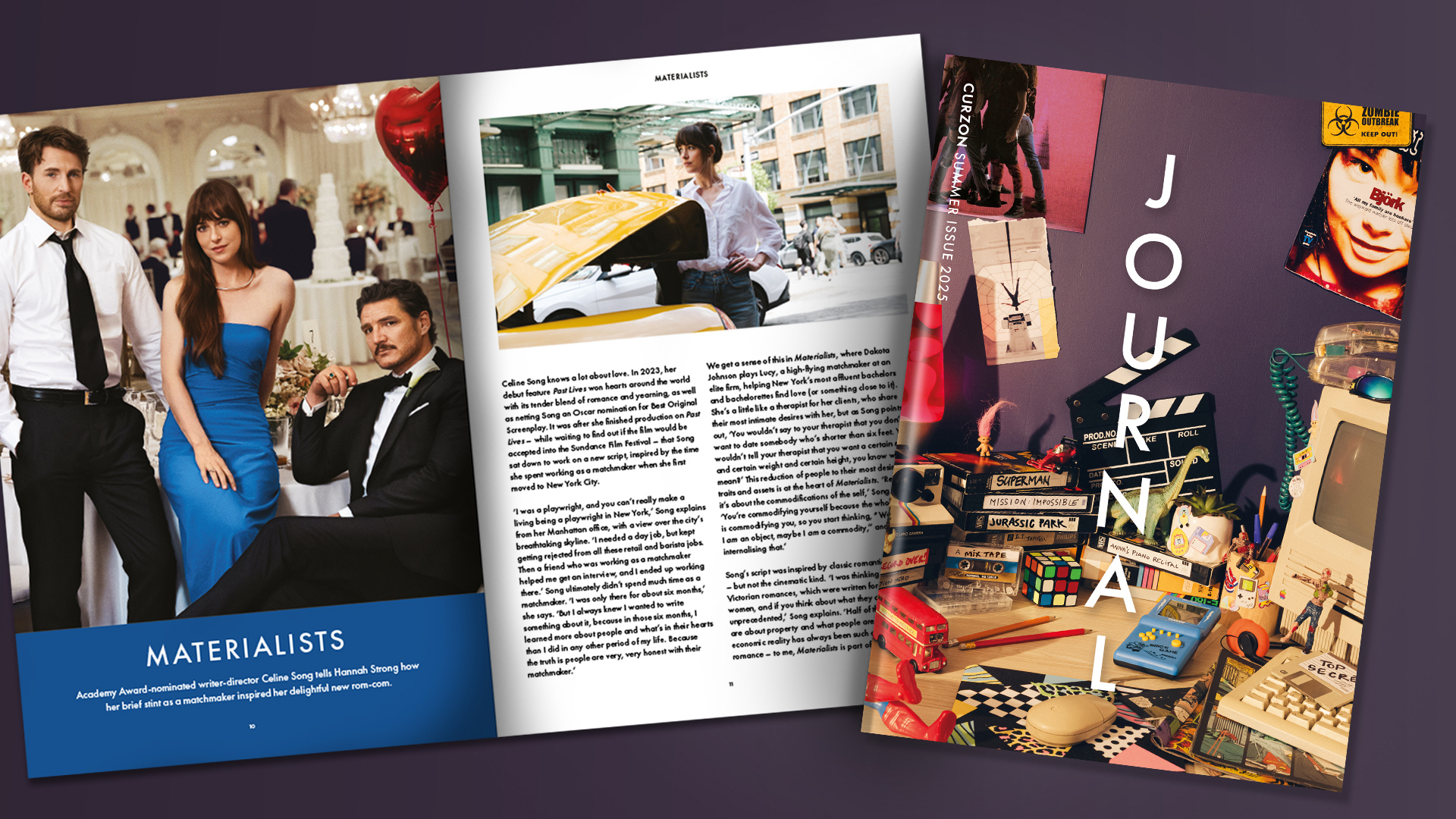
The 2025 Summer Journal is Out Now
The Summer Journal is now available (for free!) in all Curzon cinemas. Check out Yasmin Omar's editor's letter, and pick up your copy when you next visit us.
Interview
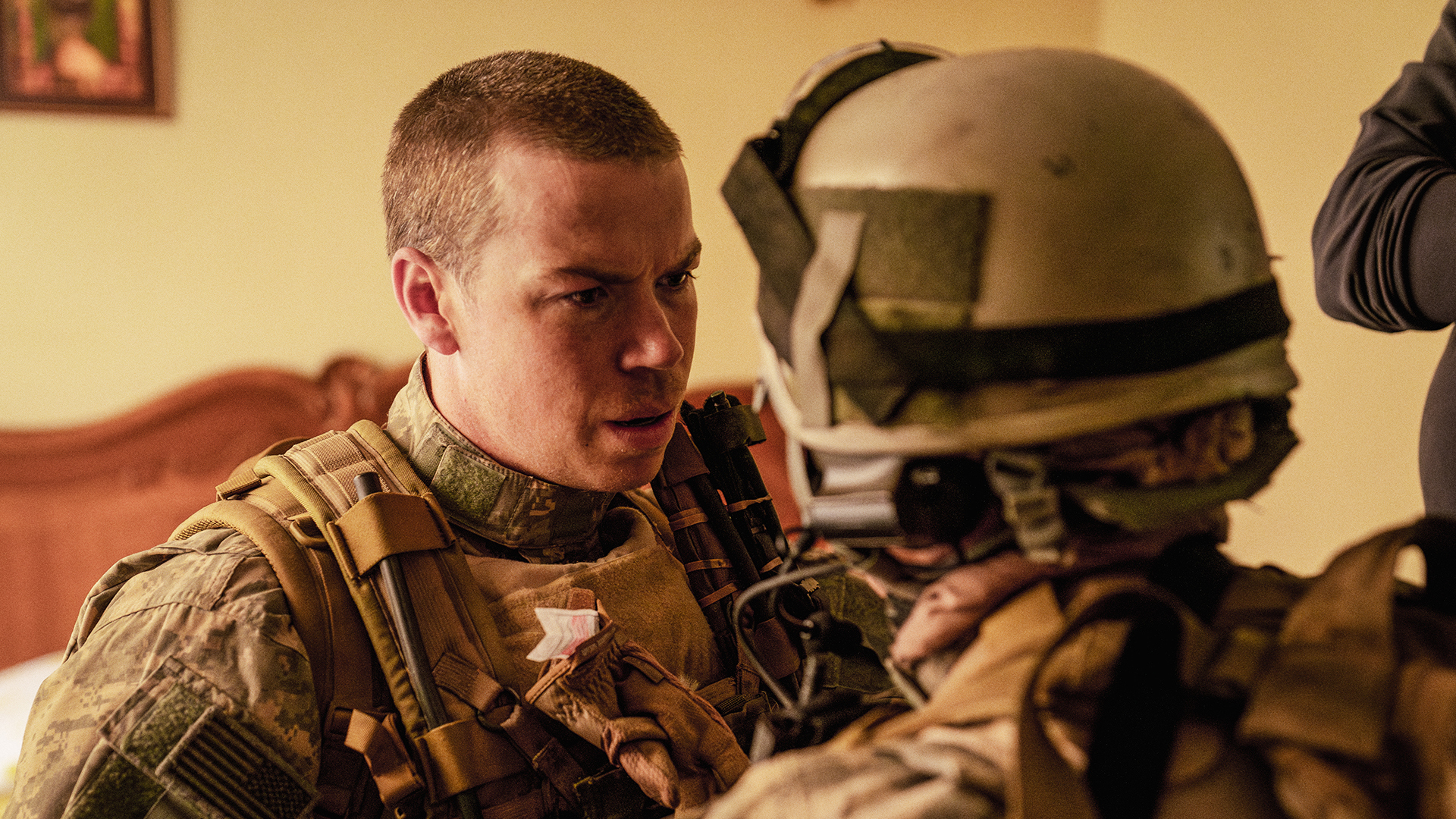
Warfare Sound Editor Glenn Freemantle Wasn’t Creating a Hollywood War
Oscar-winning sound editor Glenn Freemantle discusses how he brought authenticity to Warfare's soundscape with every bomb, bullet and show of force.
Article
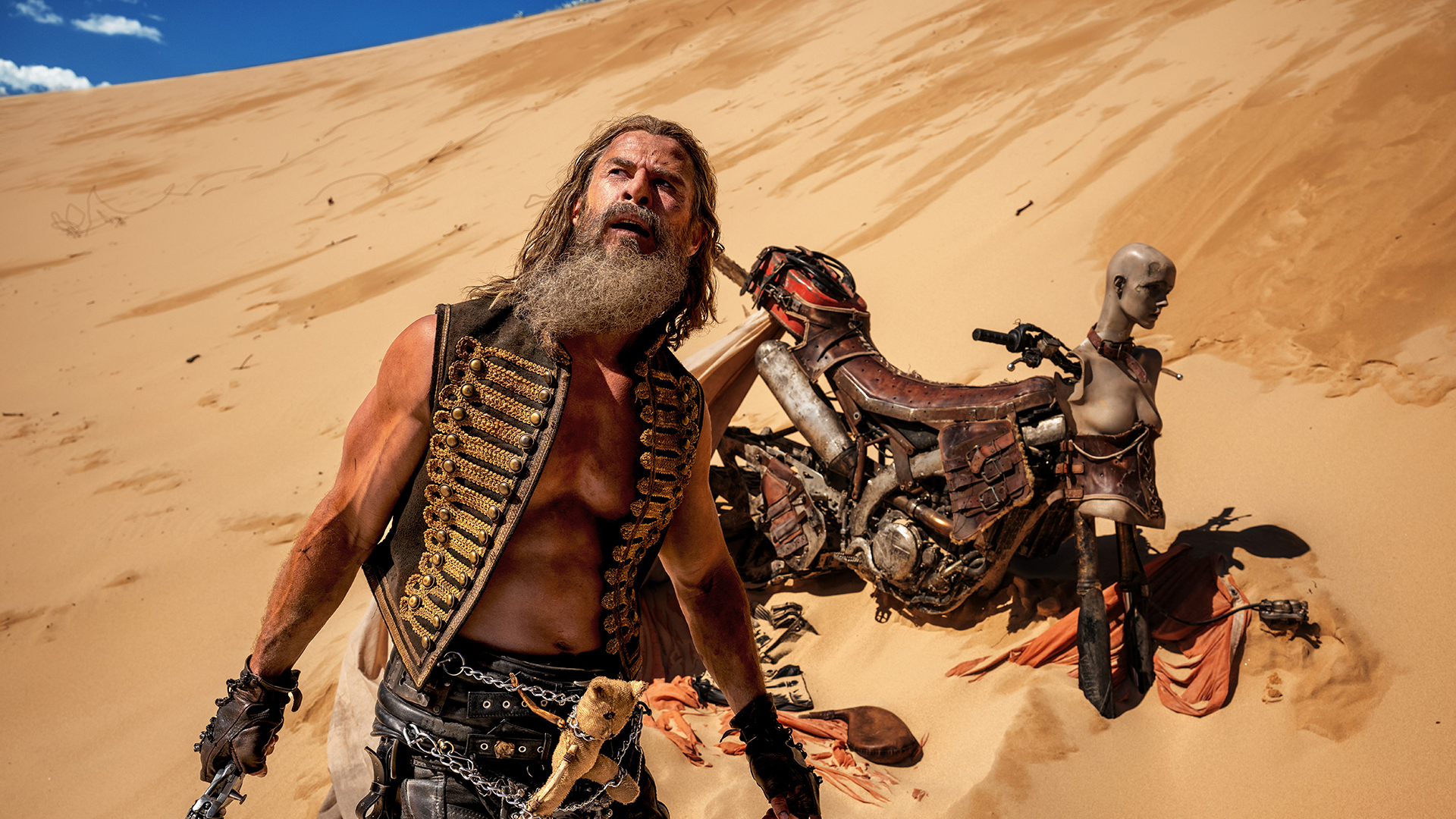
Why Are So Many On-Screen Dystopias Deserts Now?
The bleak sci-fi futures presaged in Furiosa, Dune: Part Two and Fallout all depict arid worlds where water is a precious rarity. Billie Walker explores this unsettling trend.