
How Christopher Nolan Became a Brand
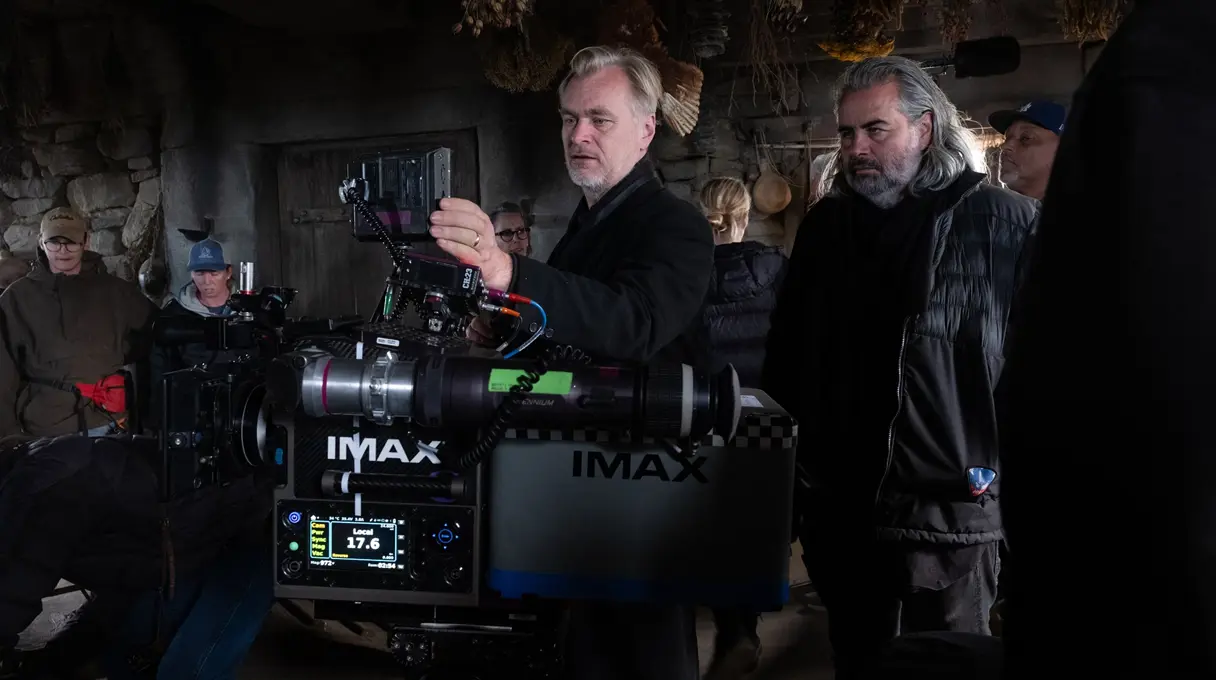

As the director follows up his Oscar-winning Oppenheimer with The Odyssey, Matt Maytum considers how the filmmaker achieved his status as a singular visionary who shoots on celluloid, favours practical effects and makes event movies out of the unlikeliest of subjects.
In an era where the box-office charts have been increasingly dominated by franchises and recognisable commercial IP, one filmmaker stands alone as a purveyor of big-budget, grand-scale original filmmaking. Over nearly three decades of movies, Christopher Nolan has carved out his own niche as one of the few (the only?) directors whose name is as big a selling point as the most popular comic-book characters.
Besides the Dark Knight trilogy (2005-2012), Nolan has primarily told original stories, or adapted material that doesn’t seem ostensibly commercial. But even outside of his Batman blockbusters – which are unique in the modern pantheon of comic-book movies for actually having a definitive ending – his films have proven to be considerable critical and commercial smashes, despite their refusal to follow the obvious trends of their time.
WATCH THE ODYSSEY IN CINEMAS
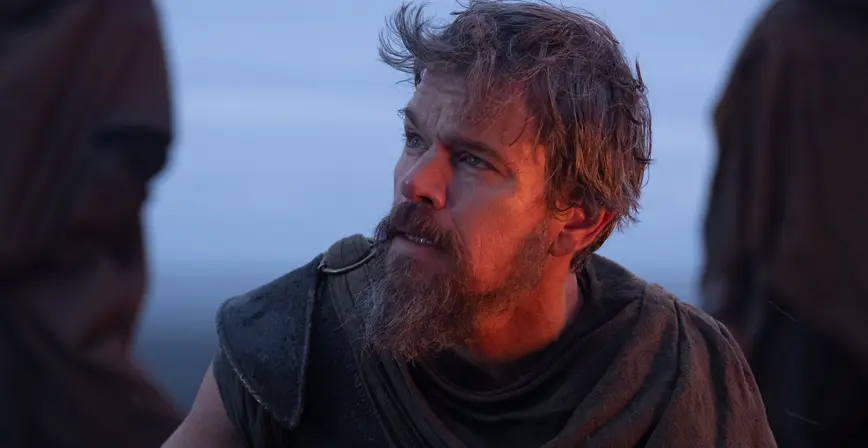
Book TicketsHis latest film, this summer’s The Odyssey, is no exception. In the hands of another filmmaker, it’s hard to believe that an adaptation of a millennia-old epic poem in the ‘sword and sandal’ space would be one of the most anticipated films in a year featuring big superhero comebacks, broad-appeal animated movies and superstar biopics. But once again, Nolan – in the most powerful position in his career to date following the awards glory of Oppenheimer (2023) – is defying the odds.
The reason that Nolan can take ‘risky’ material and compete against the likes of Spider-Man, the Minions and Moana, is because he has become a brand unto himself. Just as audiences come to their favourite long-running franchises with certain expectations they’re confident will be met, so Nolan is synonymous with certain promises at the movies.
The films may not follow each other sequentially or have any crossover characters, but they are equally part of a body of work with its own trademarks. Nolan has managed to resist his own version of superhero fatigue because he can bring his brand to different genres, locations and time periods. But the overarching promises remain.

The brand has evolved over the years as Nolan’s standing in the industry has grown, but it’s evident in his earliest features. Following (1998), his made-on-a-shoestring debut, is an early experiment in his signature twisty narrative structures, and its behind-the-scenes stories (shooting piecemeal on weekends to complete the film around the crew’s 9-to-5 jobs, an inventive approach to lighting limitations, borrowing locations from family and friends to shoot in) were just the beginning of the Nolan mythbuilding.
That penchant for narrative complexity took a remarkable leap for his second feature, Memento (2000), a neo-noir following a vengeance-seeking amnesiac (Guy Pearce) whose condition means he’s unable to retain new memories. As would become a Nolan fixture, the character’s fractured headspace is entwined with the film’s treatment of time.
In films such as Inception (2010) and Tenet (2020) the narrative origami is the film, but even in something like Batman Begins (2005), a superhero reboot that would cast a long shadow over what was then a resurging genre, there’s an elegant, controlled but ambitious approach to the story’s chronology, hopping between Bruce Wayne’s childhood, formative nomadic years and first forays into vigilantism.

Dunkirk (2017) combined three different kinds of warfare on three separate, and eventually overlapping, timelines. These plots tend to be essentially cinematic, in that however complex they appear on paper, they flow like clockwork in their natural habitat on screen. How The Odyssey will handle Odysseus’ long journey home from the Trojan War remains to be seen, but you can bet it won’t be plain sailing.
In Inception, Tom Hardy’s Eames urges, ‘You mustn’t be afraid to dream a little bigger, darling.’ It’s a mantra Nolan himself has clearly taken to heart. As well as constantly discovering ways to reinvent narrative storytelling, Nolan has continued to expand the canvas he works on, with the scale of the filmmaking reflecting the dramatic stakes: he seems incapable of thinking small in any sense of the word.

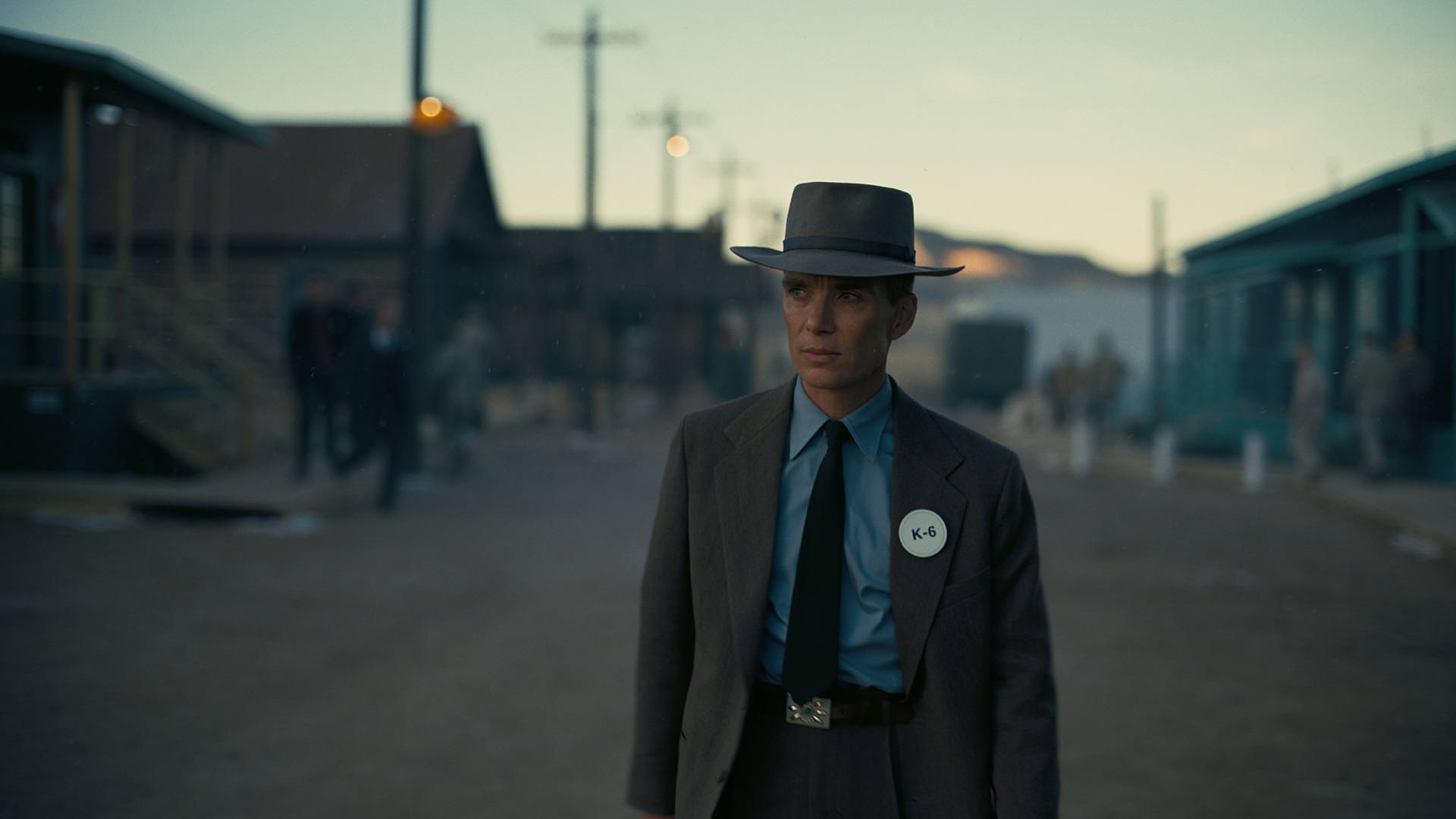
Whether that’s the galaxy-traversing, time-bending space travel of Interstellar (2014), or the two-way entropy of Tenet, his ideas are realised on a huge scale. Oppenheimer was the ultimate proof of this concept. Subject matter that seemed more suited to a dry television series became a big-screen must-see, with Nolan turning the story of (his words) ‘like it or not… the most important person who ever lived’ into a box-office smash, raking in nearly $1bn for a historical drama.
That sense of scale is inseparable from two other key facets of Brand Nolan. Firstly, it’s the commitment to realising those grand-scale set pieces as practically as possible, whether that’s shooting on location, recreating the Trinity Test with special (rather than visual) effects in Oppenheimer, or building a revolving hotel corridor set for a gravity-defying fight scene in Inception.

For Tenet, Nolan and crew smashed a real Boeing 747, rather than running it through a computer. Of course, he’s no stranger to digital effects – three of his films have won the Best Visual Effects Oscar – but there’s an unmatchable frisson that comes from the tangible reality of so much of the action on-screen that makes Nolan’s films feel so special. For The Odyssey, a genuinely seaworthy ship was created for Odysseus’ voyage.
The second common amplifier to the sense of scale is Nolan’s long-term commitment to shooting on film – he’s a vocal champion of celluloid in an industry that embraced digital photography for its convenience and cost-effectiveness. Since The Dark Knight (2008) began a wider trend for IMAX in feature films by shooting key action scenes in the super-sized format, Nolan has been its most vocal advocate. With The Odyssey, he’s finally shot an entire feature in IMAX.

For the hardcore devotees of Brand Nolan, the film formats add to the fun of the experience – from travelling to one of the few venues that can project full 70mm IMAX, to ticking off the other formats (there are six in total). But for those more casual cinemagoers who are less familiar with the technical specs, there’s a further halo effect for Brand Nolan, as a signifier of the level of effort that has gone into the film on every level.
It suggests an artisanal, uncommon final product that demands full attention. The premium IMAX screenings are so sought after that when the first batch of tickets went on sale in July 2025, a full year in advance of the release date, they sold out within hours in what’s thought to be the earliest ever cinema pre-sale.

Maintaining the consistency of Brand Nolan is a team of regulars in front of and behind the camera. As the scale of the productions have swelled, so have the casts; like Oppenheimer, The Odyssey has a deep bench of notable acting talent that adds to the event status. But within that, there are frequent Nolan collaborators in a very loose form of repertory company.
In The Odyssey, those returning players include Matt Damon, stepping up as the lead after two previous supporting turns, and Anne Hathaway (also in her third Nolan movie), as well as the likes of Robert Pattinson, Elliot Page, Benny Safdie and Himesh Patel, who have all worked with Nolan before. (Among the new-to-Nolan faces are the starry likes of Tom Holland, Zendaya, Charlize Theron and Lupita Nyong’o.) Outside of The Odyssey, Cillian Murphy, Michael Caine, Tom Hardy and Christian Bale are among Nolan’s most capped regulars.

Behind the scenes, Nolan has similarly committed relationships with key department heads, as he enjoys fruitful ongoing collaborations with editor Jennifer Lame, composer Ludwig Göransson and cinematographer Hoyte van Hoytema, a crack team adding to that overall sense of quality control, and all able to keep up with Nolan’s ambitions. His most constant companion is his wife and long-term producer Emma Thomas, who has produced every one of his films since Following.
In an industry anomaly, it’s often just Thomas and Nolan who are the sole producers of these epic-scale movies (this is the case on The Odyssey, Tenet, Dunkirk and Inception). Having so few cooks in the kitchen is perhaps what makes Nolan’s films singular. There’s zero sense of them being hammered out by committee, or focus-grouped into a bland pulp. Nothing about his films feels studio-mandated.

This also feeds into a final, crucial aspect of Brand Nolan, the mystique around the man himself. Whether it’s his unflappable demeanour, the blazer and waistcoat he wears almost like a uniform, the flask of Earl Grey tea that’s never far from his side, or his refusal to adopt a smartphone or email, all his quirks feed into a brand that’s proven such a consistent sell with cinemagoers. Like his movies, he’s analogue in a digital world.
Where some filmmakers talk of a ‘one for them, one for me’ approach, allowing them to alternate personal passion projects with more commercial studio work, Nolan has never had to make that compromise. Where success has calcified lesser filmmakers, Nolan’s achievements have only emboldened him to push his unique sensibilities further and further.
Arguably hitting his career zenith after Oppenheimer’s awards and box-office glory, he could have rested on his laurels, rather than adapting one of the earliest adventure stories ever recorded on a production that defies conventional filmmaking wisdom. But that wouldn’t be in keeping with Brand Nolan. Like his hero in Batman Begins, he’s become a symbol of something bigger, and wherever he chooses to shine that light, audiences will follow.
WATCH THE ODYSSEY IN CINEMAS
RELATED ARTICLES
List
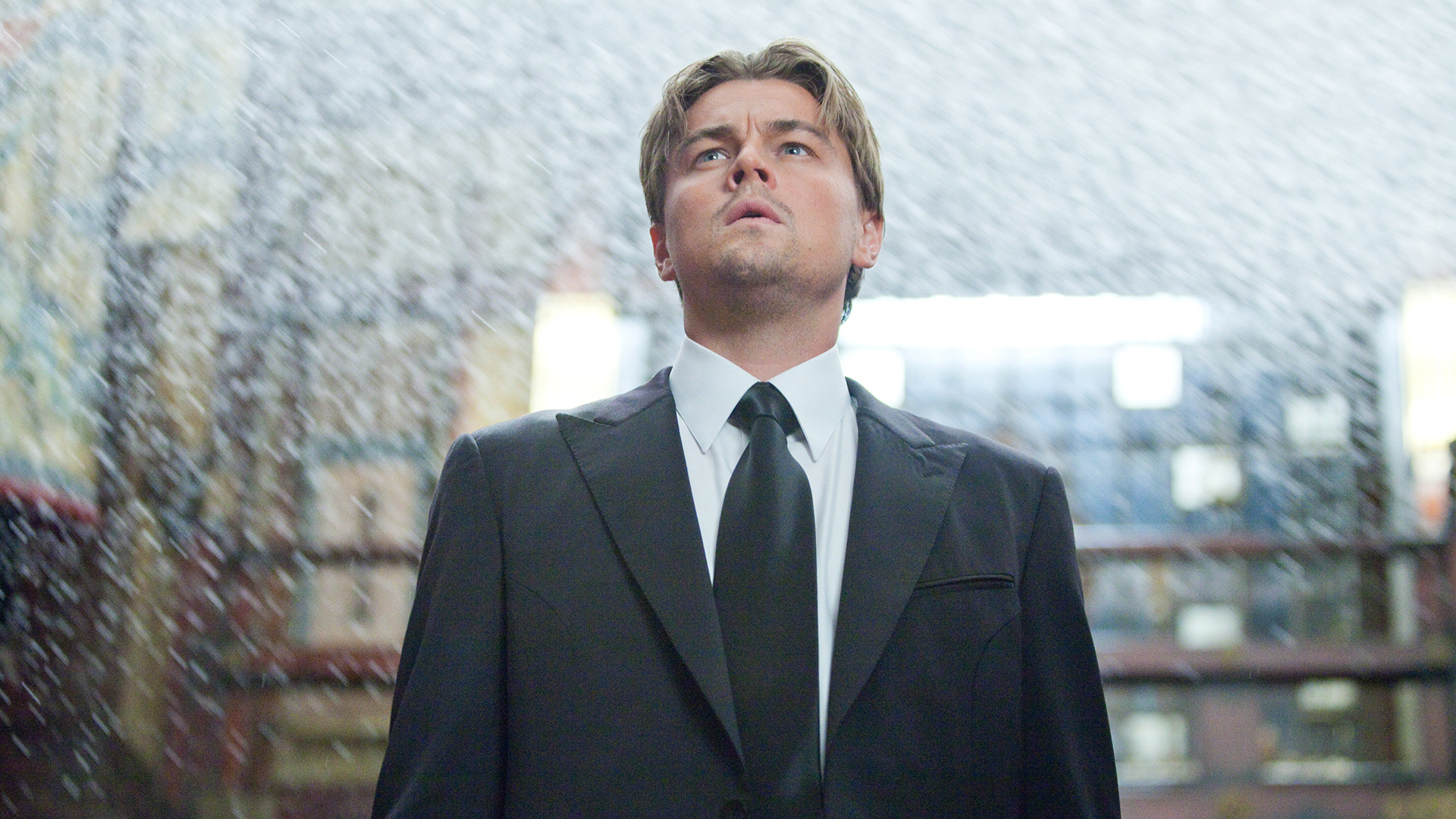
Best Christopher Nolan Films
Ahead of The Odyssey, we offer a guide to the mind-bending master Christopher Nolan's most impressive movies.
Q&A
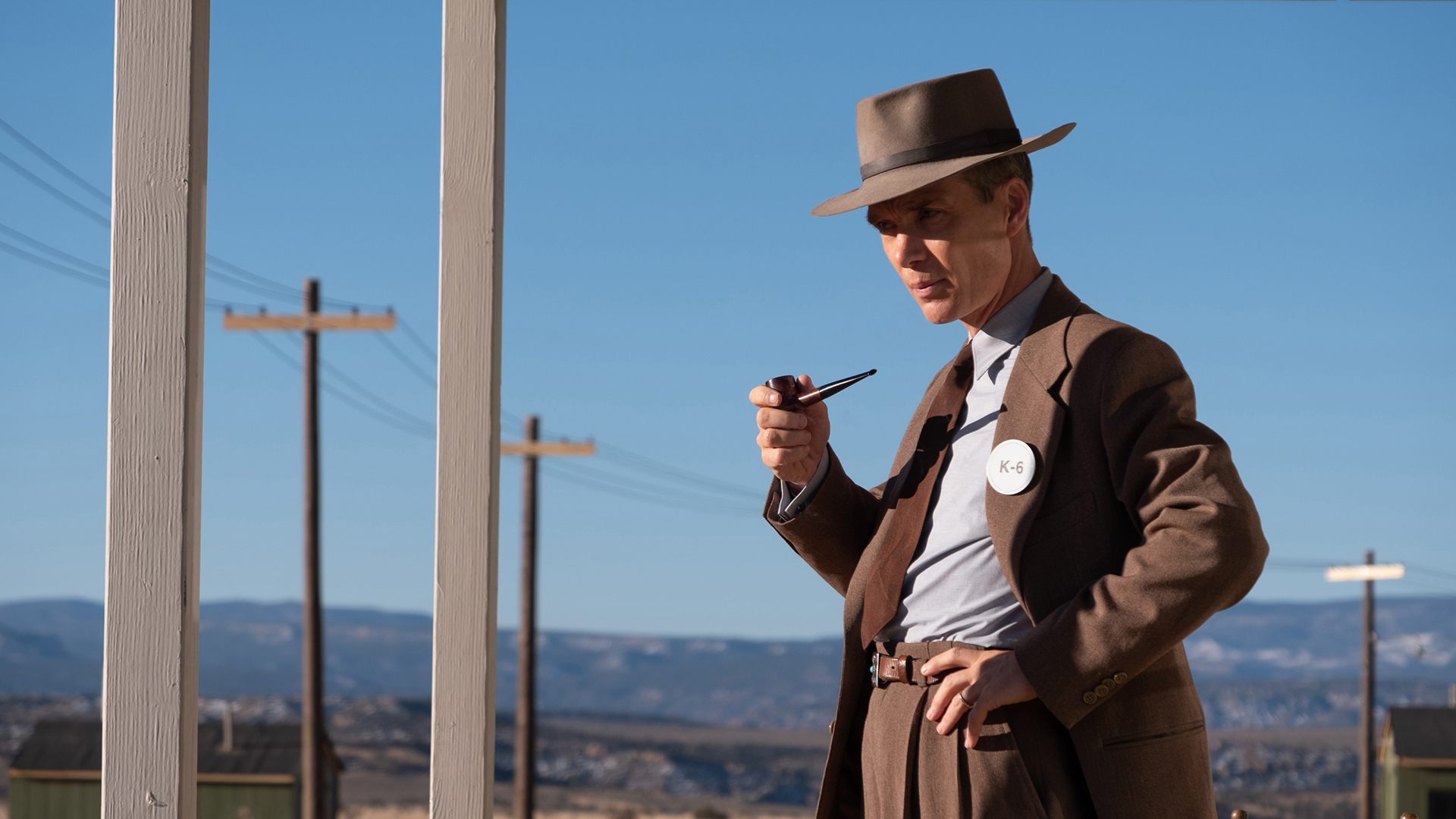
Composer Ludwig Göransson Discusses His Bold, Oscar-Winning Oppenheimer Score
Interview