
How to Create a Superhero Universe


This summer, James Gunn’s Superman debuts. It’s intended as the foundation stone to a fresh incarnation of the DC superhero universe, starring relative newcomer David Corenswet as the man of steel. Over at Marvel, a third-generation Fantastic Four cast will attempt to get that universe’s ‘First Family’ working on screen, with Pedro Pascal and Vanessa Kirby leading the team. There’s huge pressure on both efforts: they usher in a new era for their respective worlds and have also cost their studio a bundle. But what are the key things their filmmakers, and studios, need to make it work? We’ve assembled some (mostly) helpful dos and don’ts.
DO have a plan
The few shared universes that have worked in Hollywood history have put them together slowly and carefully and, crucially, made sure that audiences actually want to watch them before announcing a full slate of films. You can’t build The Avengers (2012) in a day; you need to establish the characters, and show why they’d need to team up. These heroes have to be interesting in themselves, too. This is why Sony’s attempts to get a Sinister Six movie off the ground have so far failed; most people would pay not to see more Morbius.
WATCH SUPERMAN IN CINEMAS
Book TicketsBut DON’T be afraid to change the plan
Marvel, the most successful cinematic universe in history, has announced and entirely cancelled a number of films and TV shows (some will argue it should have cancelled a couple more). It’s pushed release dates and swapped release order, reshot subplots and recast central characters. If you’re trying to make not just one film hit, but a series lasting decades, it’s worth getting these things right. That said, it might be nice to nail down the story, casting and plan before shooting, purely from a budget point of view. It’s revolutionary, but it might well save a few hundred million.
DON’T talk about it too much
The greatest supervillain that any superhero universe can face? The shareholder meeting. Nothing is more likely to spoil the return of a major hero from the dead, or cause films to be rushed through production, than a promise to the money men. Yes, the shareholders are literally invested, but make a deal with your studio bosses and manoeuver in secret if at all possible. Gunn has laid out a plan for the start of his DC Universe (Superman is due to be followed by Supergirl: Woman of Tomorrow, Clayface, The Authority, The Brave and the Bold and Swamp Thing), but the late addition of Clayface to that list suggests that he’s willing to treat his announcements more as a guideline than a rulebook.

DO get people excited
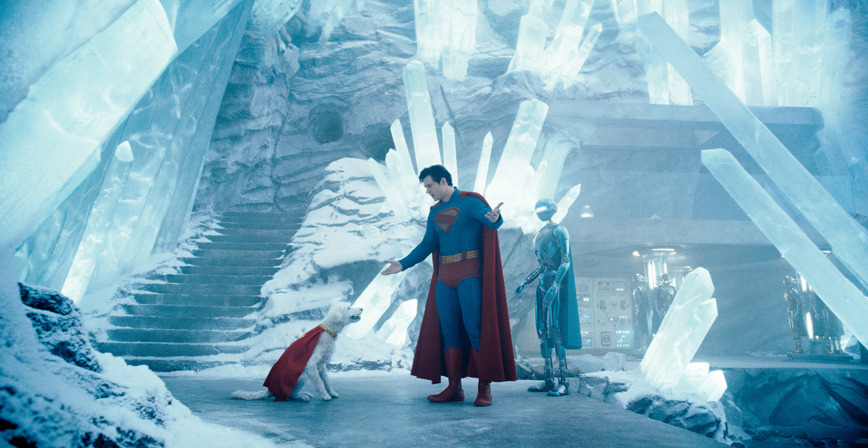
Spider-Man, Superman, Batman: Marvel and DC started with the biggest names, and used their popularity to – hopefully – smuggle in more niche titles. It’s smart of Gunn to begin with a Superman movie: not only is it 12 years since the character’s last standalone outing in Man of Steel (2013), but he was the first (super)man to prove that superheroes could be big business on the big screen, way back in 1978 with Richard Donner in the director’s chair and Christopher Reeve in the suit. A brighter, more optimistic Superman might be exactly what the world needs right now – and this one comes with an adorable Superdog at his side.
But DON’T only go big guns
Superhero fatigue sets in when we get the same old stories again and again about those familiar names, most of them starring a white guy called Chris. You know the drill: origin story, hero attempts to quit, he turns dark, rinse and repeat. Batman for example has had 15 feature films, not counting The Flash (2024) or Justice League (2017) where he plays a supporting role. You need variation in your stories, in tone, in plot, in theme and in the lead’s identity. He could be any race, creed or gender, after all. In other words, superhero movies should not be a genre but a term to describe your hero, who then heads up a thriller, a space opera, a comedy or whatever Eternals (2021) was.

DO take risks
Marvel at its best found a momentum where the studio name itself was enough to entice people to take a risk on an unknown character, which is the sweet spot that every superhero universe wants to reach – and maintain. If you don’t offer something different with each outing, it’s not a shared universe, just a persistent echo. You need the weird team with the tree and the raccoon – as James Gunn, director of Guardians of the Galaxy (2014), knows better than anyone. You need the Norse and Greek gods, the aliens and maybe even the vampire hunters. You maybe don’t need Ant-Man and the Wasp: Quantumania (2023), but nobody’s perfect.
DON’T overthink it
While we all love a chewy subplot and a nod to the comic-book canon, it’s OK to just focus on the film in front of you. You don’t have to introduce five villains, a plucky sidekick, a love interest, a gun and a pet badger. You don’t have to set up the next 17 films in this one outing (ahem, Avengers: Age of Ultron [2015]). You could simply tell a good story, in whatever genre, with the occasional cape or bit of
form-fitting leather.
DO nail the casting
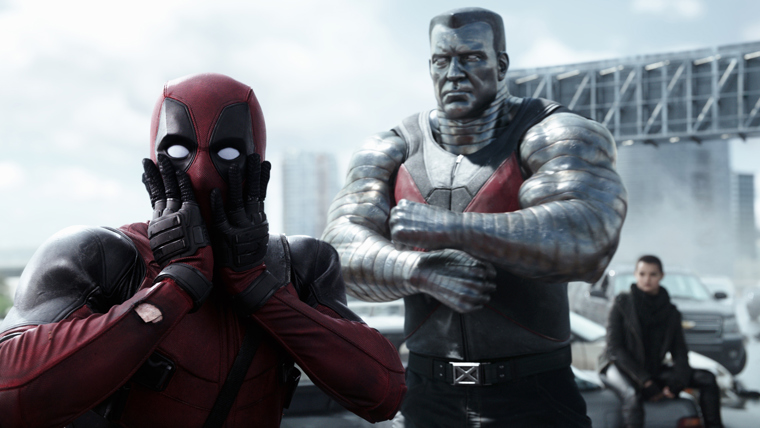
It remains to be seen whether David Corenswet will ace the role of Clark Kent and Superman, and earn a place alongside Christopher Reeve/*choose your favourite Superman here*, or whether Pedro Pascal can make us forget that 2015 atrocity of a Fantastic Four film. What is certain is that the bar for good superhero casting is extremely high. When you get it right – like Robert Downey Jr’s Tony Stark or Ryan Reynolds’ Deadpool – you can launch a decade of films. Get it wrong – like Ryan Reynolds’ Green Lantern – and you become a joke for even longer.
DON’T forget to have fun
For a while, comic-book movies turned mostly dark and serious; rooted in reality or a slightly grimier version of it. One of Marvel’s breakthroughs was the realisation that they could also be colourful, that you could have the yellow spandex as well as the black leather. It’s also OK to make these for kids, occasionally. Those of us who grew up watching Michael Keaton and the X-Men, and now want adult entertainment along the same lines, need to learn to share, instead of demanding that everything be violent so we don’t feel childish. True comic fans should want these films to cater to kids, to keep the hunger for these universes strong and ensure that they run and run, and are rebooted to run again. These things could outlive the heat death of our own universe and prove the foundation of a new one if we play this right.
This article originally appeared in the Curzon Summer Journal. Pick up your limited-edition copy of the magazine in your local Curzon for free while stocks last.
RELATED ARTICLES
Article
A New Chapter of the MCU is Coming
Jess Bacon argues that the studio’s self-referential superhero movies had become too reliant on past victories. But recent developments show that Marvel is clearly turning the page on the Avengers – and constructing an exciting new universe.
Article
Thunderbolts* is the Best Superhero Team-Up Since the Avengers
Marvel has passed the baton to a new group of heroes and, unlike their predecessors, they’re flawed and rough around the edges. It’s these imperfections that make the Thunderbolts a breath of fresh air, writes Jess Bacon.

Article
The 2025 Summer Journal is Out Now
The Summer Journal is now available (for free!) in all Curzon cinemas. Check out Yasmin Omar's editor's letter, and pick up your copy when you next visit us.