
It’s About Time a Female Director Depicted the Bride of Frankenstein
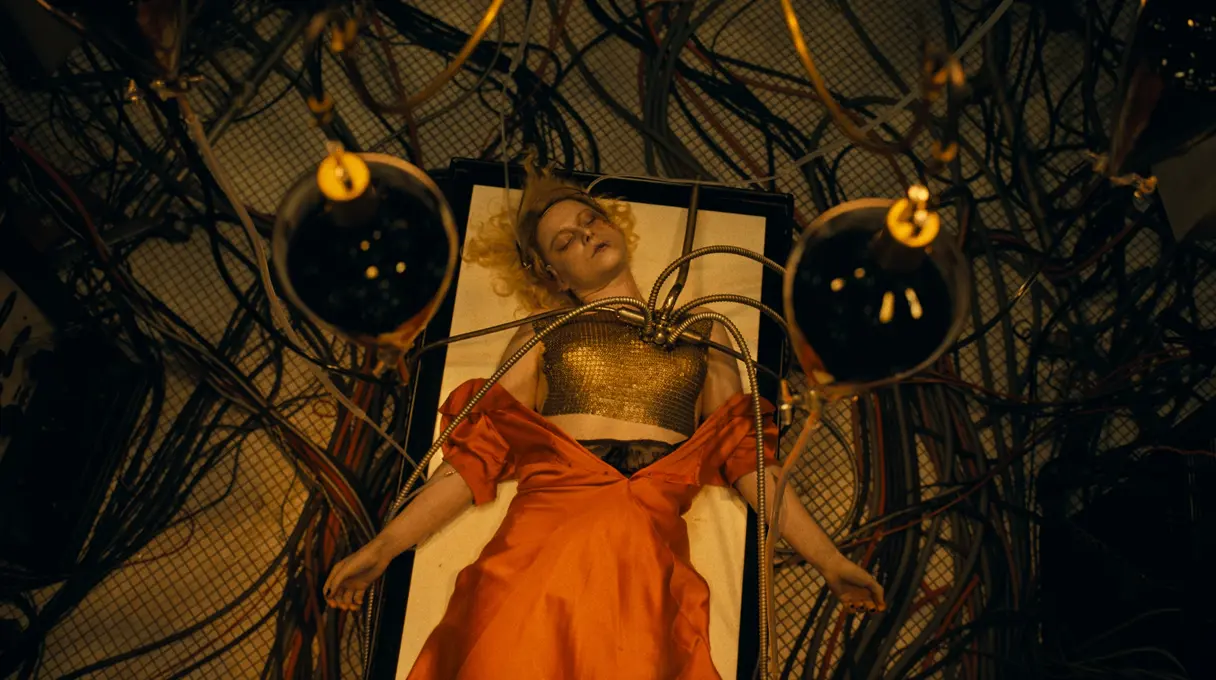
For nearly a century, male filmmakers have misrepresented Mary Shelley’s female creature, stripping away her voice, complexity and bodily autonomy. Here, Nadira Begum outlines the patriarchal overtones of these interpretations, and looks ahead to Maggie Gyllenhaal’s reinvention of the character in The Bride!
Of all the literary characters with untapped potential, the female creature in Mary Shelley’s Frankenstein (1818) is perhaps the most enticing. The character barely has time to exist, both conceptually and physically, before she is disposed of, her inanimate body already feared too dangerous to roam the Earth. She’s an abomination who possesses the potential to be ‘ten thousand times more malignant than her mate’.
Female monstrosity wasn’t at the forefront of Shelley’s mind when composing Frankenstein, but the suggestion of its power is there. The female monster was deemed too wicked to ever be fully realised, and so her character is left to the imagination of those brave enough to venture deeper into Shelley’s interrogation of the hubris of man.
WATCH THE BRIDE! IN CINEMAS
Book TicketsSomewhat predictably, it’s been proven impossible for this character to escape the patriarchal impulses that Shelley critiques in her novel. When the female creature was first brought to the screen by director James Whale in 1935, a matrimonial attachment was thrust upon her in a grand moment scored by the sound of church bells: Bride of Frankenstein.
Brought to life by a bolt of lightning, the mangled corpse is revealed with a flourish and declared a bride against her will. It’s all rather patriarchal – a nameless woman is mutilated, patched together and reanimated in order to tame a man who will dispose of her if she doesn’t comply with his demands. Through this film, Whale set the standard for depictions of this enigmatic character, and the streaked hair, wide eyes and jerky movements of actress Elsa Lanchester canonised an image of the female monster that would be recreated in films (and Halloween costumes) for decades to come.

It’s the image of the Bride that has become so iconic because, quite frankly, there isn’t much else to her in this film. Despite being bestowed with the titular role, the character only receives five minutes of screen time. She also has no voice – in place of speech she squawks at the monster, hisses like a swan and screams at his touch. No sooner is she created than she is destroyed in an explosion for rejecting the monster’s advances and refusing his wishes of companionship. She isn’t feared for her ability to reproduce or a propensity for evil, as in Shelley’s novel; she is simply a means to an end, a monstrous creation whose sole purpose is to tame a beast she has only just met. In a moment that feels on-the-nose, she is tossed aside as soon as she no longer serves the men around her.

When Kenneth Branagh offered his interpretation in Mary Shelley’s Frankenstein (1994), his Bride didn’t fare much better. This time it’s Victor Frankenstein’s actual bride, Elizabeth (Helena Bonham Carter), who is murdered by the vengeful creature, then hacked to pieces and brought back to life by her desperate husband. As in James Whale’s vision, Branagh’s Bride spends her first moments on screen mesmerised by her creator and lives only for around five minutes.
We’re given just enough time to watch Victor place a wedding band on her finger (Branagh has never been one for subtlety) and demand she say his name before the reanimated Elizabeth gains cognisance of her monstrous rebirth. Distressed by her own malformation, she sets herself on fire, refusing to live as a deformed abomination created out of obsession, and forced to bear the brunt of Victor and his creature’s animosity. The only word she ever learns to speak is the name of her creator: ‘Victor’ is what she wails as she falls to her death, engulfed in flames.

In both of these instances, the Bride’s brief life and violent death are reflective of a deep misunderstanding of a wildly layered character that serves as an overt symbol of the sexual fear that defines Victor Frankenstein in the source material. In Shelley’s novel, when the creature demands a female companion in exchange for his exile, Victor hastily agrees – already, a woman’s life, and implicitly her body, is sacrificed for the sake of humanity. In a surprising moment of clarity, he realises that he couldn’t possibly provide his creature with a mate lest they produce ‘a race of devils’.
It’s one of the more straight-forward passages from the novel where Victor’s fears around female autonomy and reproduction, monstrous or otherwise, are made explicitly clear. And yet, when the female creature is brought to screen, male directors are rarely ever interested in examining this aspect of her being. Instead, she remains a disposable figure of little depth or value.

Even when a female creature takes centre stage, as is the case with Bella Baxter (Emma Stone) in Yorgos Lanthimos’ Poor Things (2023), the film itself remains strangely unwilling to contend with the female body politic. It’s adapted from the Alasdair Gray novel of the same name and, though its female creature may have a voice, her depth of character is limited to a superficial idea of sexuality as liberation. Bella foregoes marriage in favour of sexual exploration, examines the pitfalls of capitalism through prostitution and narrowly escapes the threat of genital mutilation from her ex-husband, but there’s no real interrogation of the forces that allowed for each of these scenarios to exist.

This is a character who is implied to have killed herself as a result of perinatal depression, who is mutilated by a man who sees a woman’s body as the perfect site for scientific experimentation, consent be damned. And still, the film feels more concerned with surface-level provocation through a voyeuristic depiction of Bella’s naked form than it does an actual exploration of the politics of the female body, despite the Frankensteinian inspiration. Perhaps it’s a meta-commentary on patriarchal society’s inability to see a woman outside of her role as wife, mother or sexual object. Or, maybe it’s just a man’s weak understanding of womanhood that cannot operate beyond its patriarchal constraints.
From a character that never speaks to one that only learns the name of the domineering patriarch who made her, the Bride of Frankenstein has never really been afforded the same depth as her male counterpart on screen. After decades of only being captured through the male lens, the character has been stripped of her complexity, and male directors have accidentally become a proxy for Frankenstein himself; their refusal to engage with female monstrosity encapsulates the patriarchal hubris Shelley examined in her novel.

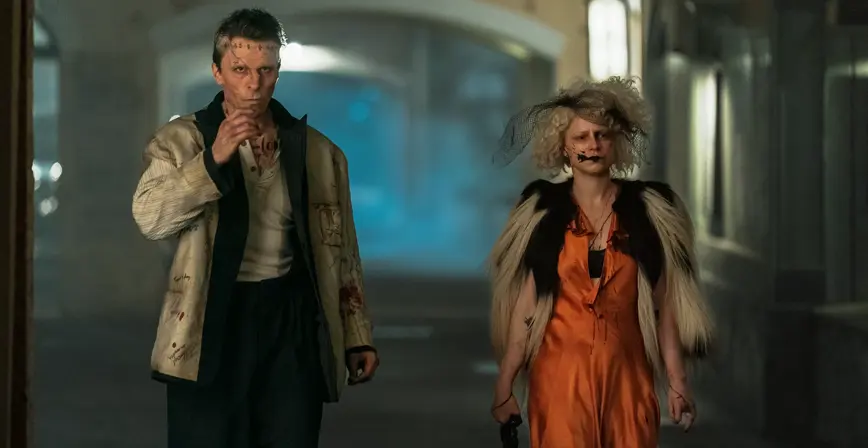
Maggie Gyllenhaal’s The Bride! promises something more. The title itself establishes a certain self-autonomy that the character has thus far been denied in cinema. She is no longer forcibly attached to a male creator, and she speaks not in animalistic sounds or broken English, but with all the grit of a woman forced to exist against her will. That the film is being released mere days before International Women’s Day feels significant: after close to a century of male directors failing to grapple with the complexity of this character, maybe it’s a woman who will finally succeed in giving voice to the Bride’s rage.
WATCH THE BRIDE! IN CINEMAS
RELATED ARTICLES
Article
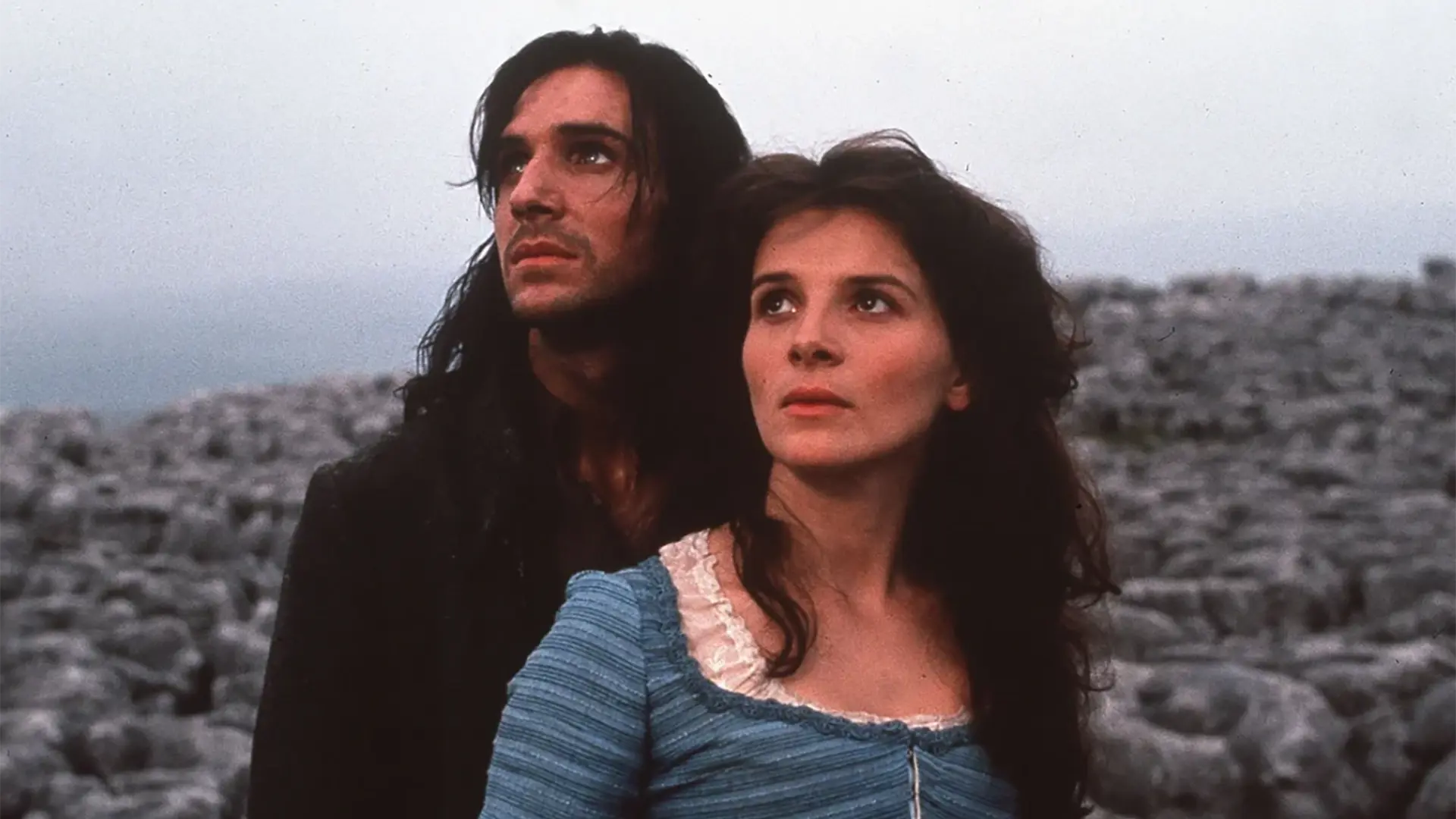
Why Do Filmmakers Keep Whitewashing Gothic Literature?
As another white actor takes on the canonically brown role of Heathcliff, Nadira Begum investigates the worrying trend of directors refusing to engage with the racial politics of Gothic novels when bringing them to the big screen.
Interview
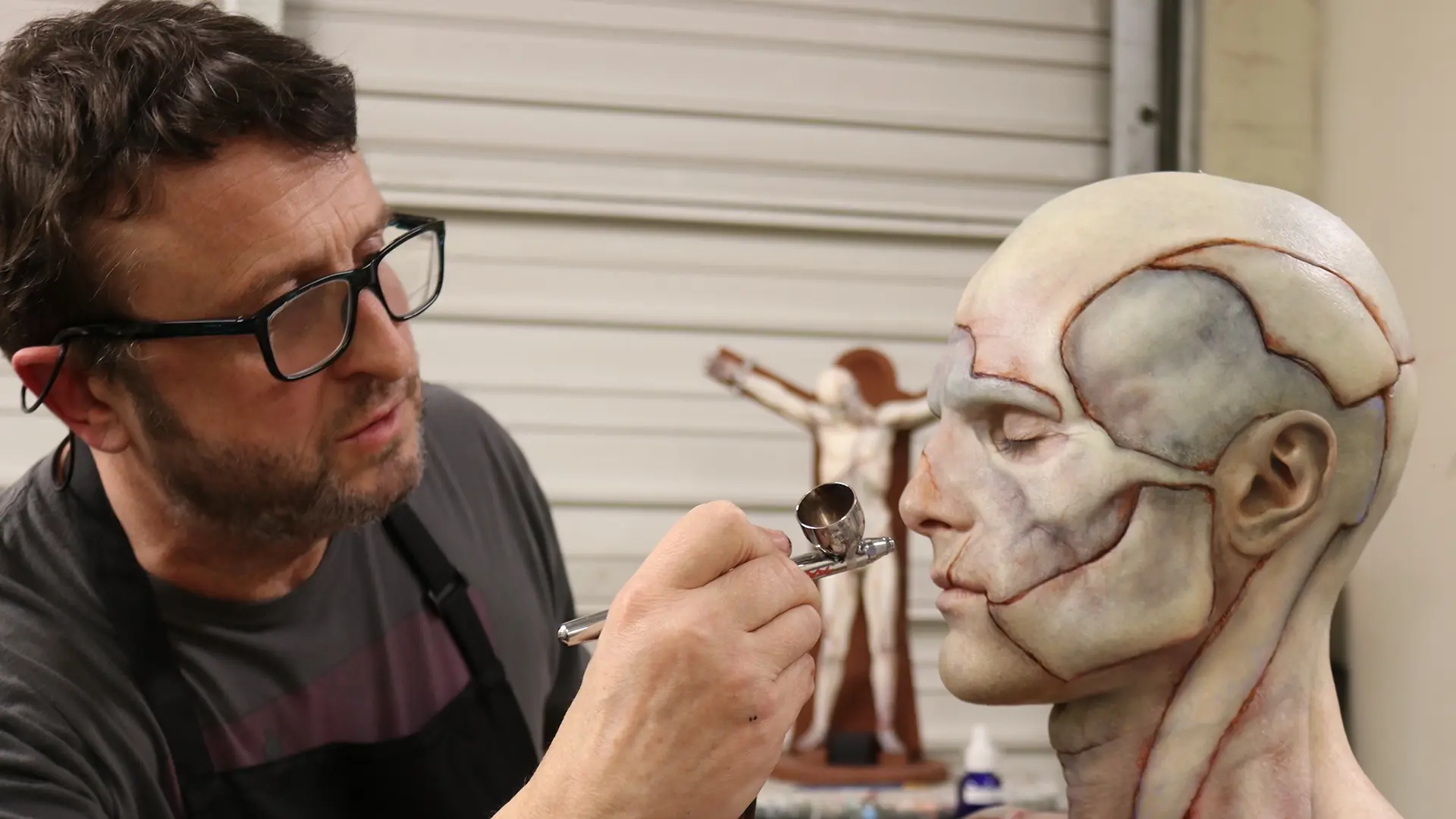
Oscar Winner Mike Hill on Designing Frankenstein's Creature
Forgoing the expected lumpy stitches and sunken eye sockets, Oscar-winning prosthetics designer Mike Hill discusses how he returned to author Mary Shelley’s original descriptions of the Creature for Guillermo del Toro’s sumptuous adaptation. By Clarisse Loughrey

Interview