
Jack O’Connell Has Always Been a Great Villain


As the actor commits more dastardly deeds in zombie flick 28 Years Later: The Bone Temple, Josh-Slater Williams explores Jack O’Connell’s long history of playing powerful antagonists.
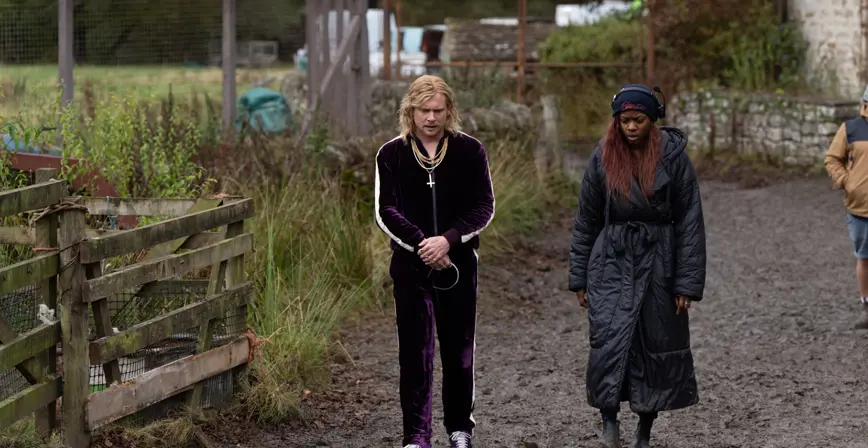
It’s been a good year for Jack O’Connell to be bad. After a relatively quiet 2020s in terms of major movie roles, the 35-year-old reminded us why he’s still one of the most electric screen performers to emerge from the UK this century. Firstly, as the scene-stealing supernatural threat in Ryan Coogler’s horror blockbuster, Sinners (2025). And then, two months later, popping up in Danny Boyle’s 28 Years Later for one of the most baffling but undeniably striking endings in maybe any horror movie ever. He appears as the Scottish leader of a blond-wigged, tracksuit-wearing gang who somersault into armed combat with the infected like amateur Power Rangers tipsy on Buckfast.
First established as a child in the prologue of Boyle’s film, O’Connell’s Sir Jimmy Crystal takes centre stage for the Nia DaCosta-directed 28 Years Later: The Bone Temple. He and his followers promise an even more unnerving threat in post-apocalyptic Britain than the franchise’s signature plague-ridden foes. While the actor has never shied away from playing complicated, flawed individuals, this recent trifecta sees a return to the more clear-cut antagonist roles that became his bread and butter during his early rise to stardom – be they ‘bad boys’ like James Cook in his TV breakthrough Skins, outright villains or something in between.
WATCH 28 YEARS LATER: THE BONE TEMPLE IN CINEMAS
Book TicketsAfter a supporting turn in This Is England (2006), O’Connell’s first major film role was in the hotly debated British horror Eden Lake (2008), as the terrifying leader of an aggressive group of kids terrorising an adult couple on a romantic getaway with violent provocations and eventual bloodlust. His big-screen follow-up, the Michael Caine-led vigilante thriller Harry Brown (2009), was another Daily Mail-baiting movie about demonic youths, though his gang member’s aggressions were characterised as resulting from a history of exploitation and sexual abuse.
A subversion of his hoodlum typecasting, 2012 thriller Tower Block had O’Connell as a criminal extorting protection money from his neighbours, only to eventually act in service of the greater good as his building’s residents are besieged by an unseen sniper – using his combative impulses for at least vaguely heroic purposes. But it was David Mackenzie’s searing drama Starred Up (2013) that really showcased O’Connell’s abilities. In most other prison films, his incorrigibly insolent, incredibly violent character might be the nemesis of a different good man done wrong by the justice system. Starred Up, though, plays with your sympathies by making an ostensible antagonist the protagonist; exploring the potential for true rehabilitation without ever sugarcoating the character’s horrifying actions.

While films like World War I tale Private Peaceful (2012) and United (2011) – in which he played football icon Bobby Charlton circa 1958 – allowed O’Connell the chance to portray more altruistic or at least more outwardly sympathetic characters, his early filmography was largely populated by roles as delinquents. Meanwhile, his juvenile criminal record initially prevented him from both being cast in Hollywood productions or being able to travel to the US to promote his work. In an April 2014 interview with The Wrap, during the Tribeca Film Festival where Starred Up was playing, O’Connell suggested that trip to New York City was his first ever, though not for lack of trying.
O’Connell may have faced logistical hurdles making his way into American films, but Hollywood had certainly noticed him from afar. Director Angelina Jolie turned O’Connell’s baby steps abroad into one giant leap, making him the lead of Unbroken (2014), a biopic of Olympian and World War II prisoner of war Louis Zamperini, co-written by the Coen brothers.
Unbroken may have been sold less on its leading man and more on its inspirational story, but its domestic commercial success gave O’Connell some juice when it came to casting. His next feature in the American studio system saw him get top billing with Hollywood royalty George Clooney and Julia Roberts, and was also the first time he’d actually filmed a movie in the States. Directed by Jodie Foster, the thriller Money Monster (2016), possibly even more so than Starred Up, compellingly toys with viewers’ perspectives on O’Connell’s ostensible ‘bad guy’.

As Kyle, an irate investor taking financial TV host Lee (Clooney) hostage live on air, O’Connell’s gun-toting character is absolutely a threat. He’s a man who invested $60,000 – his entire life savings – in a company that Lee endorsed as a sure thing on camera. When that company’s stock inexplicably cratered, supposedly due to a glitch in a trading algorithm, his money was wiped out along with the other investors’. Unless he gets proper answers about what really happened with that dodgy company, Kyle plans to blow up Lee before killing himself.
From the perspective of the movie’s primary leads, Kyle is most certainly an antagonist, since he’s putting them in danger. But a ‘villain’ he is not. Arguably an entry in the ‘eat the rich’ canon of 2010s and 2020s movies where the underclasses take revenge on the excessively wealthy, Foster’s film is largely sympathetic towards Kyle’s character (Clooney’s Lee comes to fully side with his own captor as well), even if his methods are questionable. But crucially, she and the screenwriters don’t paint him as a saint either. One key scene sees hostage negotiators put Kyle’s pregnant girlfriend on the line to try and talk him down, only for the furious young woman, who’d had no idea about his massive investment behind her back, to viciously berate him and even encourage him to shoot himself.

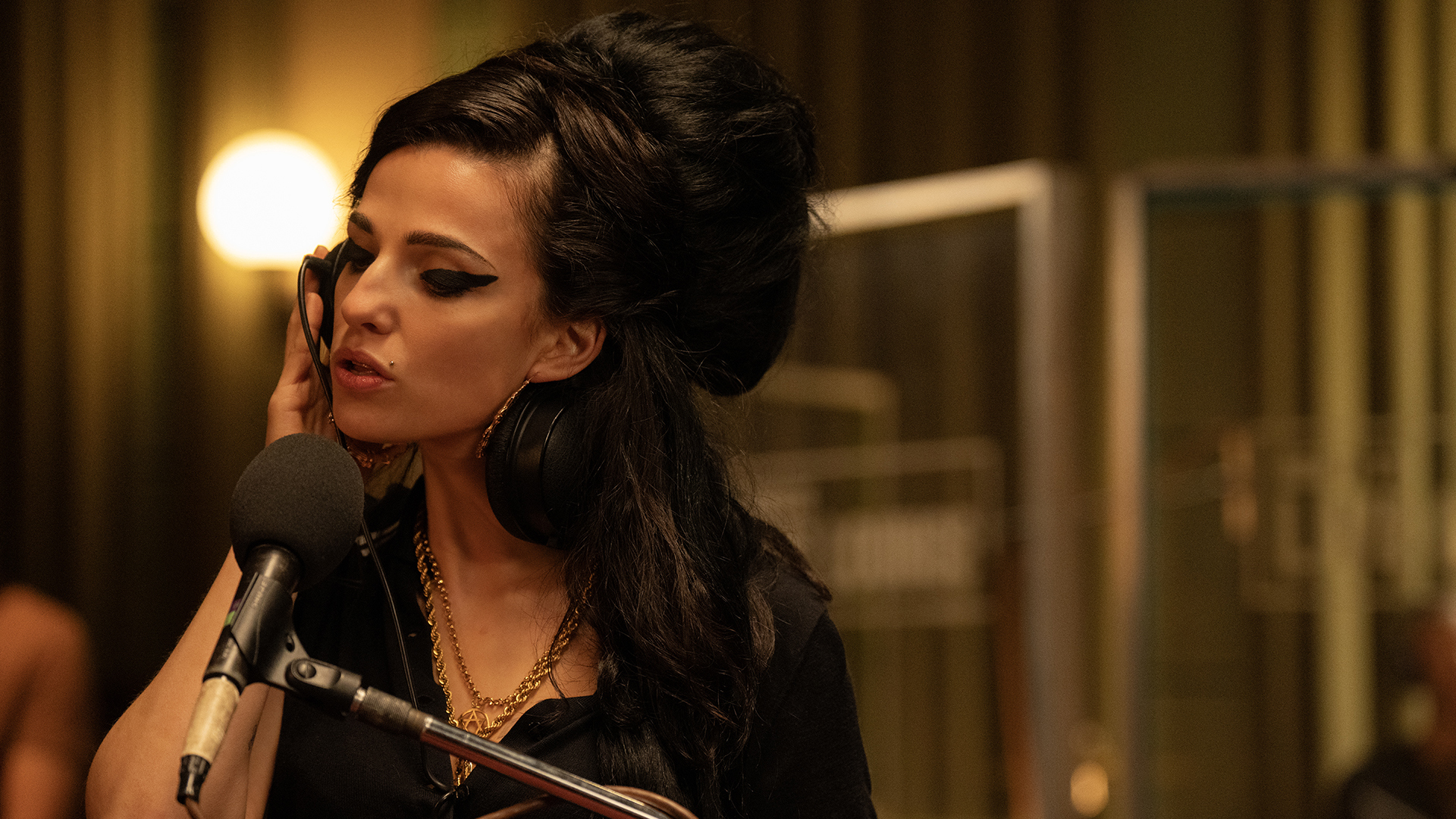
Depending on your view of the divisive figure he portrayed in Amy Winehouse biopic Back to Black (2024), or the FBI in general when it comes to Seberg (2019), O’Connell arguably didn’t play a villain in a movie again until his role in Sinners. One of the past calendar year’s true cultural sensations, the film has ignited so much passionate discussion about virtually every facet of its production, including readings of O’Connell’s character, Remmick. He’s a musically inclined Irish vampire preying on the predominantly African-American clientele of a Mississippi bar in the 1930s, for their blood but also for their songs to become part of his hive mind.
Not only due to the nearly 20 – though not 28! – years separating their films’ releases, Remmick in Sinners seems a far cry from teenage O’Connell’s first lead villain role in Eden Lake. But there is absolutely a throughline with how the actor’s inherent magnetism makes him completely believable as someone who can attract a devoted following, even for nefarious ends. Long may we continue to worship at his particular temple.
WATCH 28 YEARS LATER: THE BONE TEMPLE IN CINEMAS
RELATED ARTICLES
Article
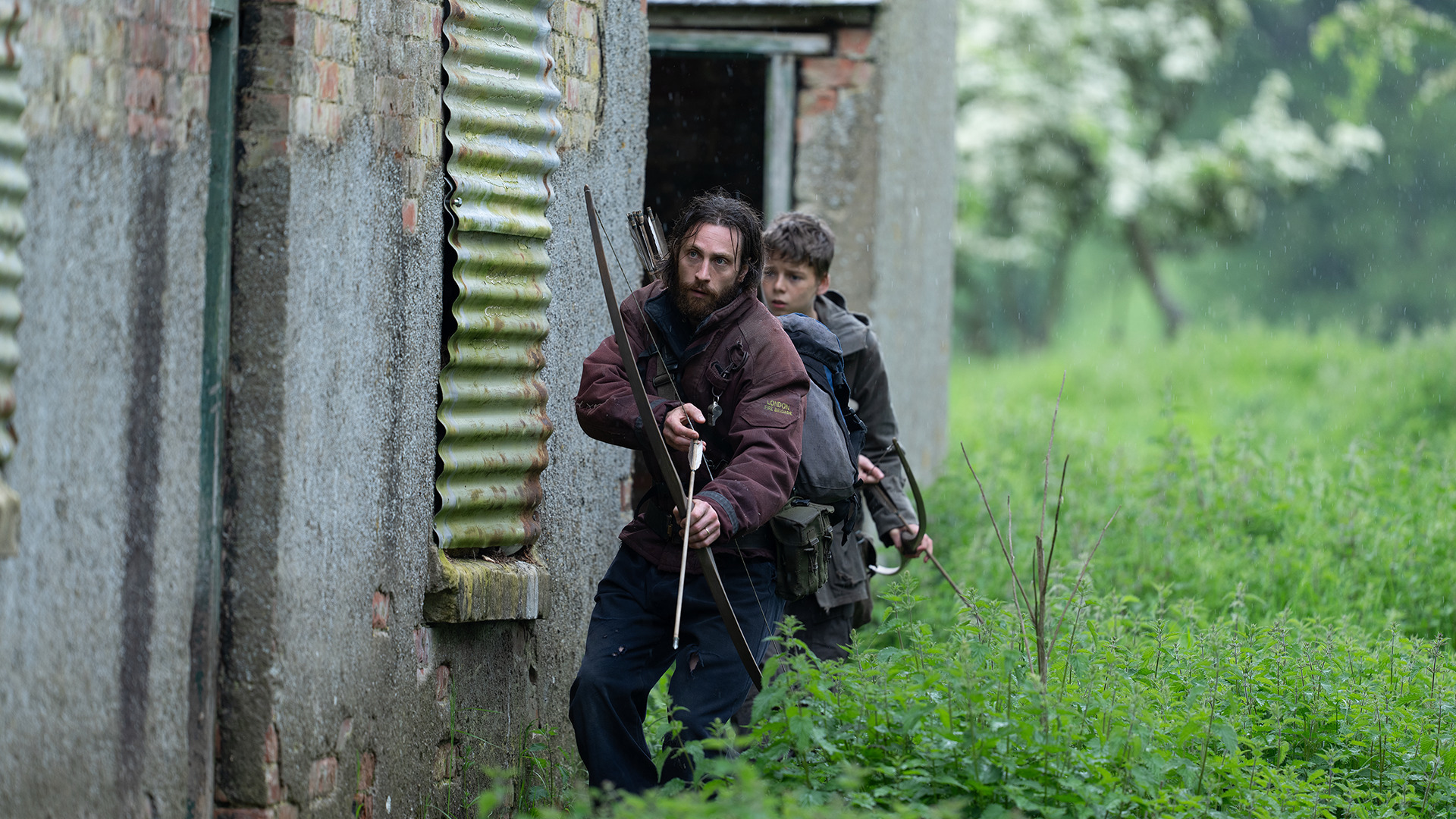
How 28 Years Later Created a Believable, Post-Apocalyptic World
Supervising location manager Camilla Stephenson scoured Britain and Ireland’s untrammelled countryside, and rewilding estates, to find suitable settings for this skin-crawling zombie horror. By Ian Haydn Smith
Article
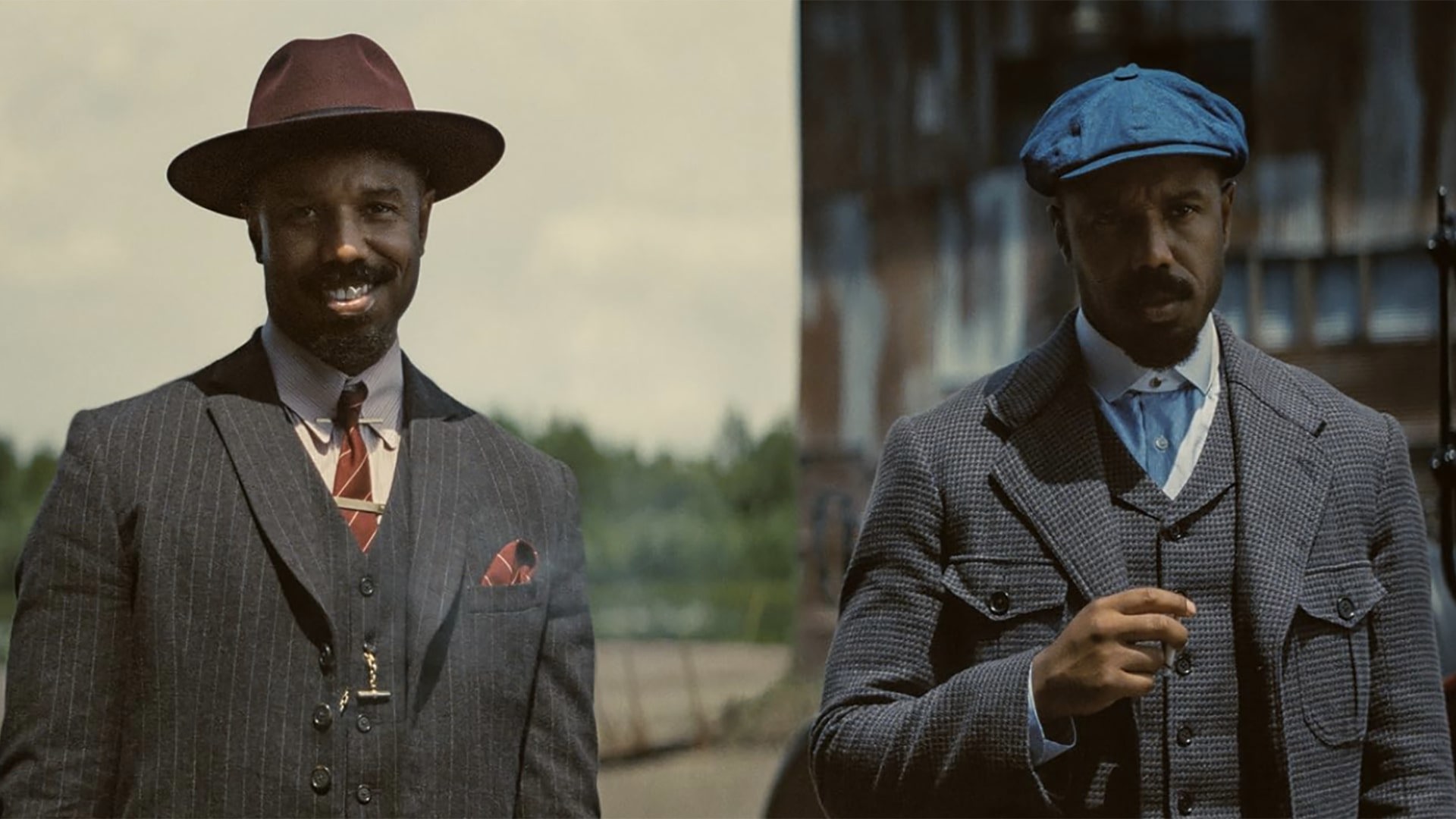
Double Trouble: How Actors Appear in Two Roles on Camera
In response to the recent trend of movie stars pulling double duty, Sophie Monks Kaufman speaks to visual-effects artists about the technical challenges of multiplying a performer.
Article