
Nigel is the Real Devil Wears Prada Villain
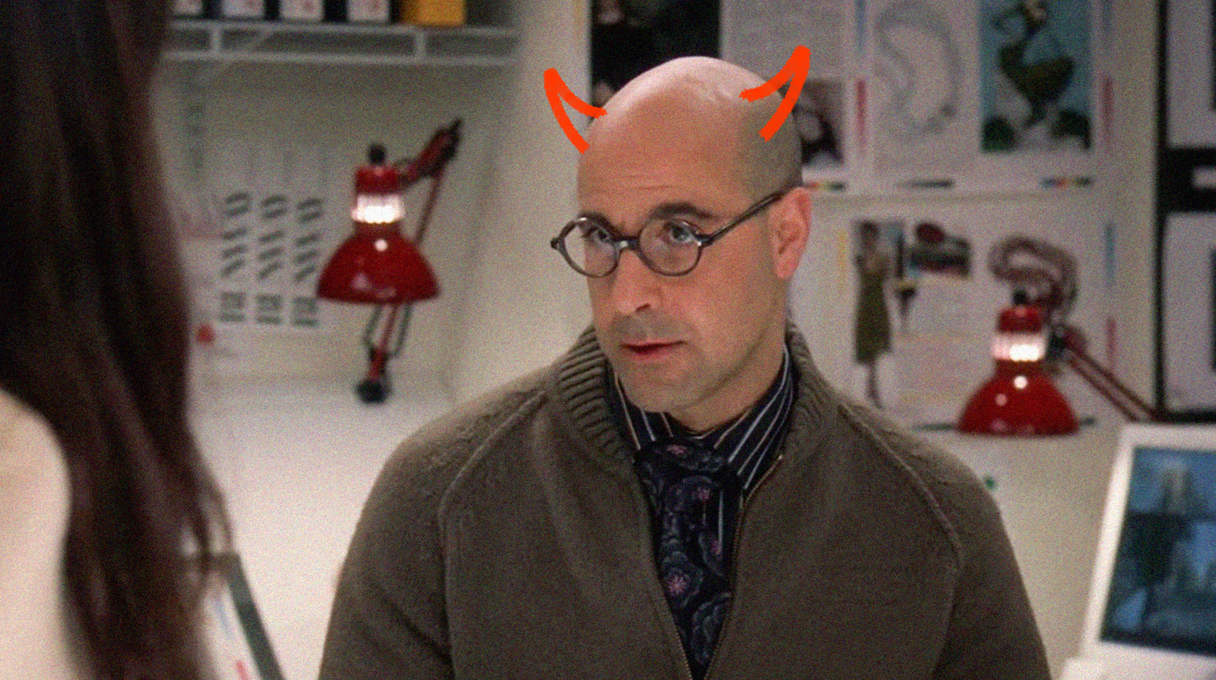

Forget the boyfriend, Miranda Priestly’s art director Nigel is an incorrigible workplace bully who body-shames and belittles Anne Hathaway’s fashion-magazine ingénue, writes Yasmin Omar.
In the 20 years since The Devil Wears Prada was released, there’s a lazy take about it that resurfaces online every few months. It goes something like this: ‘Guys, I just rewatched The Devil Wears Prada and let me be the first person to ever tell you that Nate is such a bad guy!’ The commenter is referring to the boyfriend (Adrian Grenier) of our protagonist Andy (Anne Hathaway), who has less and less time for him once she’s hired as the second assistant of imperious Runway editor-in-chief Miranda Priestly (Meryl Streep). I’m not here to defend Nate: he’s unsupportive, stroppy and dismissive. What I will say is that his behaviour – childish as it may be – appears downright pleasant when compared with Nigel’s.
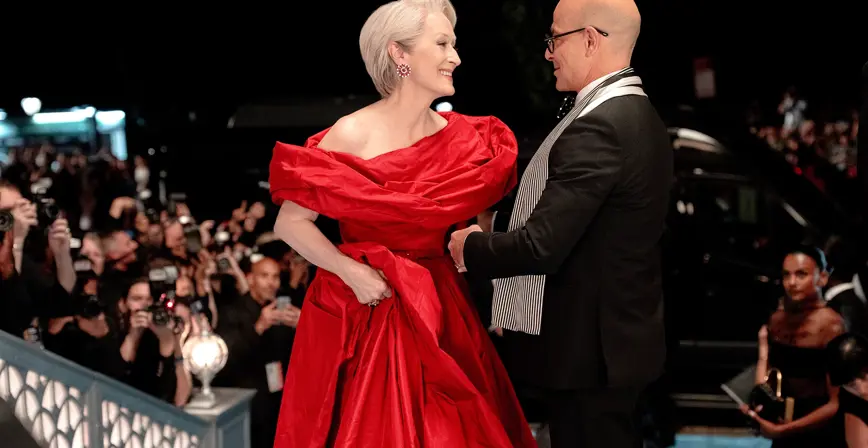
WATCH THE DEVIL WEARS PRADA 2 IN CINEMAS
Book TicketsA fan-favourite supporting character, who is set to return for the sequel, Nigel (Stanley Tucci) has been the magazine’s art director for 18 years when we meet him. He’s positioned as Andy’s confidant, a wise mentor demystifying the idiosyncrasies of the fashion industry, but, throughout the original film, he holds her in contempt. Take their first interaction when she interviews for the position at Runway. He loudly muses to no one in particular, ‘Did someone eat an onion bagel?’ Nigel is well aware that none of his colleagues would dream of consuming carbohydrates (indeed, the opening montage features a series of slender women counting almonds and weighing granola for breakfast).
His comment is therefore targeted specifically at Andy, and intended to make her feel self-conscious about her breath. It’s a little dig that says ‘you don’t belong here’ before she’s even had the chance to impress her prospective boss. To make matters worse, Nigel interrupts Andy mid-sentence during the actual interview to show Miranda a headdress from an upcoming photoshoot. He’s so entitled that he doesn’t even acknowledge the intrusion, instead quipping, ‘Who is that sad little person? Are we doing a before-and-after piece I don’t know about?’

These jabs only increase once Andy secures the job, which, bear in mind, is her first since graduating from Northwestern, meaning she’s not aware of what is and isn’t acceptable in a corporate context. On her first day as Miranda’s assistant, she crosses Nigel in the company cafeteria. As she ladles creamed soup into a bowl, he says: ‘Corn chowder? Interesting choice. You do know cellulite is the main ingredient of corn chowder?’ As before, he’s criticising her diet, only this time he’s overtly body-shaming her.
Every word out of Nigel’s mouth in this scene is an insult. It’s remarkable how many rapid-fire blows he delivers in under two minutes, disparaging her ‘polyblend’ jumper, her size-six frame (‘which is the new 14!’) and the irrelevance of ‘inner beauty’. Most sickening is the barefaced joy he derives from putting her down. Carrying an abstemious, undressed salad on his tray, he pairs each gibe with a smug smirk and/or cocked eyebrow. There’s a difference between lightly teasing a close friend and bullying a stranger. Nigel falls firmly into the latter camp. His withering rudeness also reinforces the outdated stereotype that gay men are catty and misogynistic.

It’s confusing that Andy comes to see Nigel as an ally because – apart from the time he gifts her Jimmy Choo slingbacks – he has so far been nothing but openly hostile. This is a character who’s out for himself. He curries favour with Miranda when he scoffs at a colleague’s uninspired ‘florals for spring’ pitch in an editorial meeting. He gatekeeps powerful contacts when he neglects to introduce Andy to the chairman of their publisher.
Why she goes to Nigel for sympathy in her hour of need I’ll never understand. Following a particularly character-assassinating interaction with Miranda, a tearful Andy seeks solace in Nigel. His reaction? ‘And that’s my problem because…? Oh, wait, no. It’s not my problem.’ There is a crying woman in front of him and he won’t even look up from the work he’s doing, let alone comfort her.

His (admittedly) softer tone is undermined by his advice, which essentially boils down to: get on board or get out. He’s an architect of Runway’s radioactive company culture, shrugging off Miranda’s cruelty and lecturing Andy on the magazine’s legacy. To be clear, he’s fully aware that this assistant job is a stop gap for her, one that’ll help open doors into areas of journalism she’s truly passionate about. So why should she learn Runway’s history and accept daily indignities from her colleagues for what is set to be a 12-month gig? Nigel is the one who turns her into a ‘clacker’: a snide, style-obsessed egomaniac who will step on anyone to get what she wants. In recommending she put her job above all else, which leads her to withdraw from her friends and partner, Nigel indirectly precipitates Nate’s brattiness.

This so-called heart-to-heart segues directly into the makeover, which I’d wager isn’t as cosy as you remember it. The relentless body-shaming continues as soon as they enter the room – ‘there’s nothing in this whole closet that’ll fit a size six!’ – and continues every time Nigel locates a garment, eyes it up, and reiterates over and over that it’s unlikely she’ll be able to squeeze into it. Lending designer clothes should be an unproblematically nice thing to do for someone. With Nigel, it’s a sour candy of a favour – it looks sweet but leaves a bitter taste.
He arguably reaches the peak of his fatphobia when he suggests that Andy will need ‘a little Crisco [vegetable fat] and fishing line’ to fit into a dress, using a debasing, dehumanising image that likens her to a hunk of meat. It’s also worth noting that Nigel’s body-shaming cuts both ways, since he later jokes about the self-abnegating models’ ravenous hunger. So, let me get this straight: the size-zero models are too thin and the size-six assistant is too fat? What’s the perfect weight for a woman, Nigel, seeing as you have such strong opinions? It isn’t a victory that Andy drops a dress size by the end of the film – it’s proof that he’s infected her with his disordered ideas about eating.

Nigel’s rude, he’s self-centred, he’s judgemental… and yet he’s the catalyst that prompts Andy’s premature departure from Runway at the climax of The Devil Wears Prada. Andy feels so bad about how Miranda stabbed him in the back, to ensure her own survival as editor-in-chief, that she tenders her resignation (and dramatically, too, she throws her phone in a Parisian fountain for goodness’ sake).
Nigel somehow becomes the symbol of moral rectitude, the scorned man deserving our pity. It’s farcical because, were the situation reversed, he would’ve done the same to Miranda in a heartbeat. He has laughed at others’ misfortunes, excused tyrannical behaviour, given women complexes about their bodies – and got off too lightly for far too long. Andy could have, and should have, reported Nigel to HR. That’s all.
WATCH THE DEVIL WEARS PRADA 2 IN CINEMAS
READ ON THE JOURNAL
Deep Focus
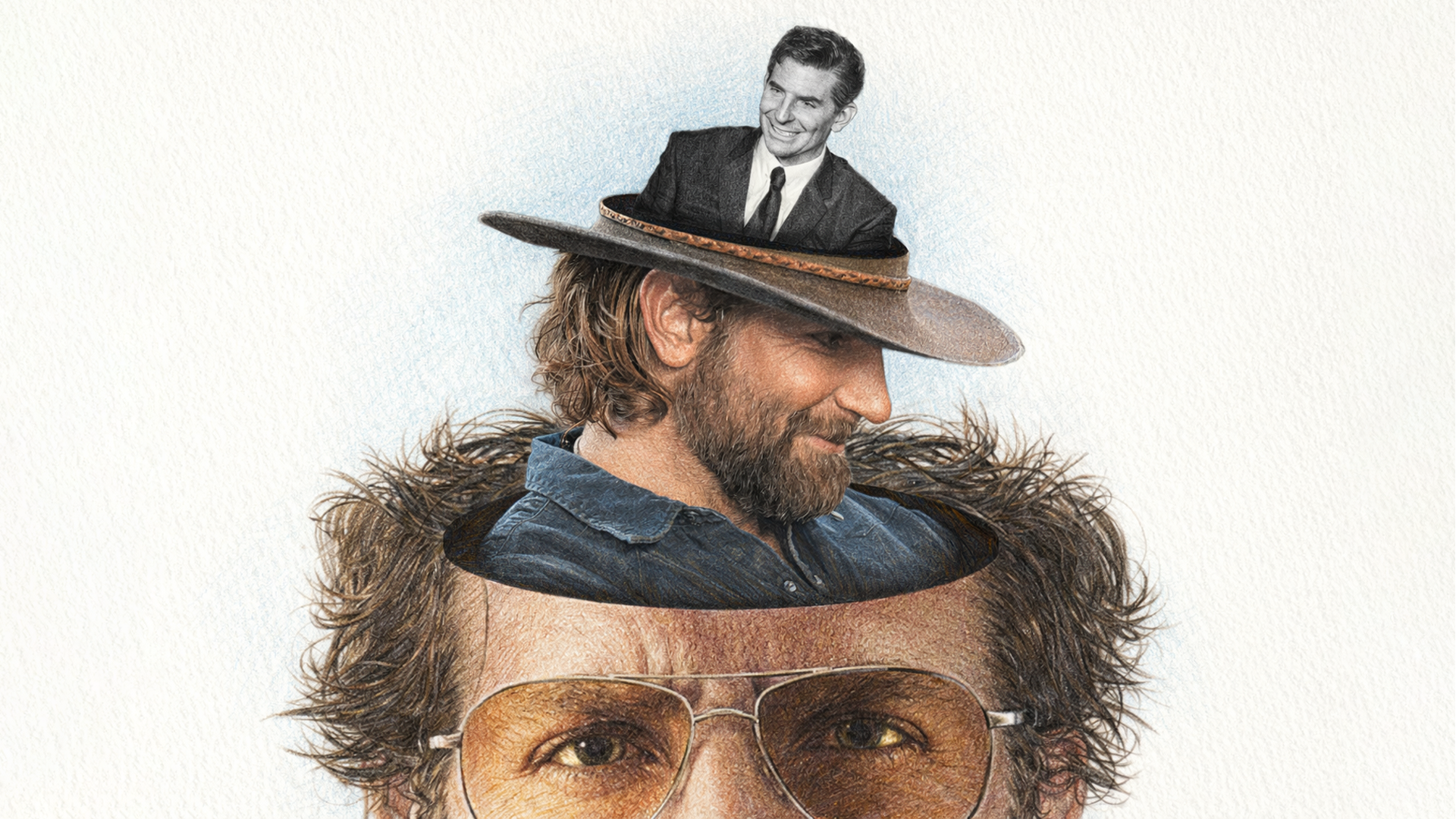
Bradley Cooper is (Finally) in on the Joke
From the douchey bro of The Hangover movies to the deadly serious actor-director-writer-producer of Maestro, Bradley Cooper has had quite the rebrand. Here, Yasmin Omar explores his evolving stardom – and the surprising levity of his latest persona.
Article
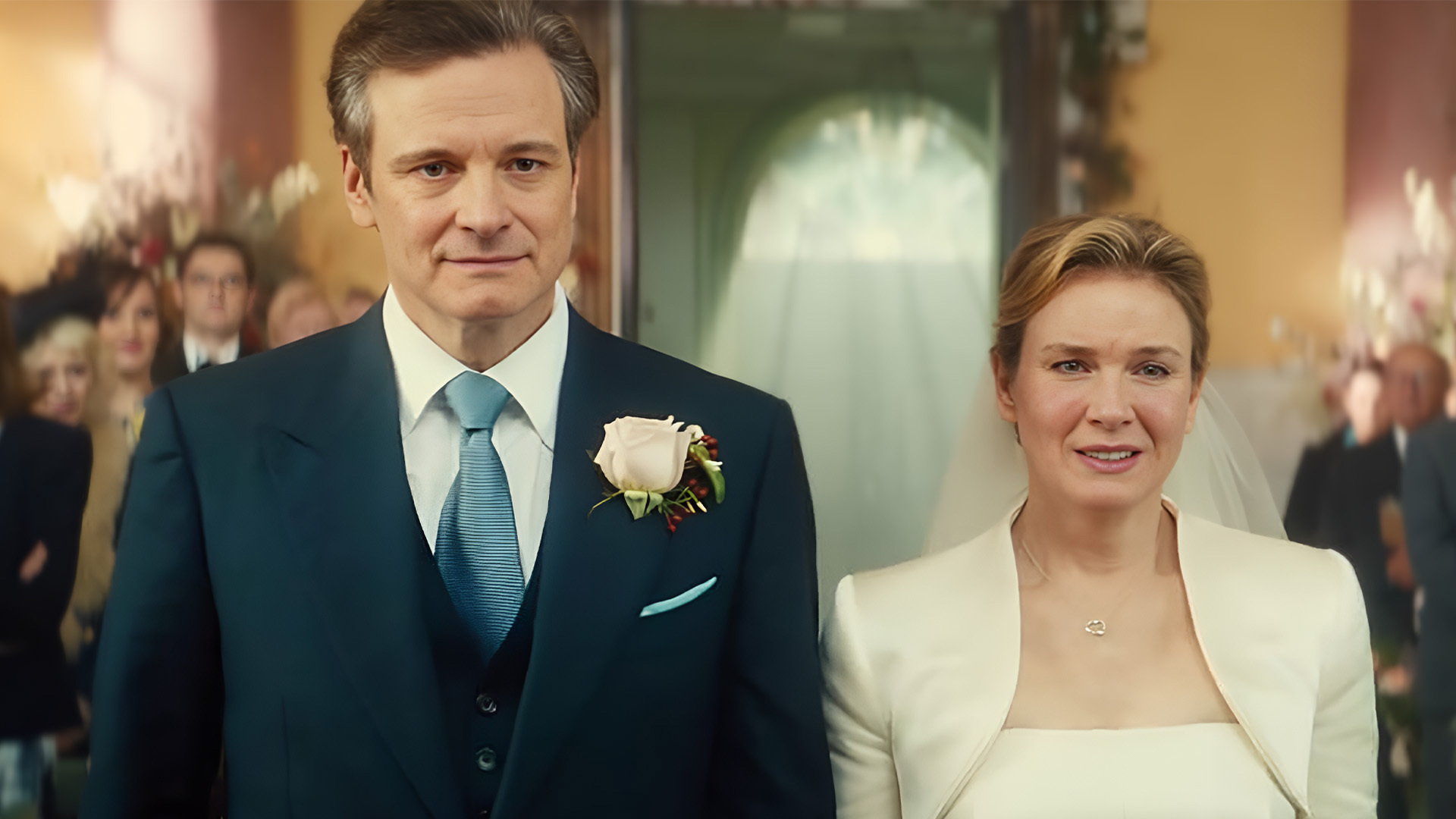
Were Bridget Jones and Mark Darcy Ever a Good Couple?
The fourth cinematic outing of Helen Fielding’s messy, chain-smoking diarist wants us to mourn the loss of Bridget and Mark’s love – but should we? Yasmin Omar investigates.

Review
The Drama Review: A Bitterly Funny Anti Rom-Com
Zendaya and Robert Pattinson navigate wedding-week woes in Kristoffer Borgli’s pointed, provocative rug-pull of a film, writes Yasmin Omar in this spoiler-free review.