
The Drama Review: A Bitterly Funny Anti Rom-Com
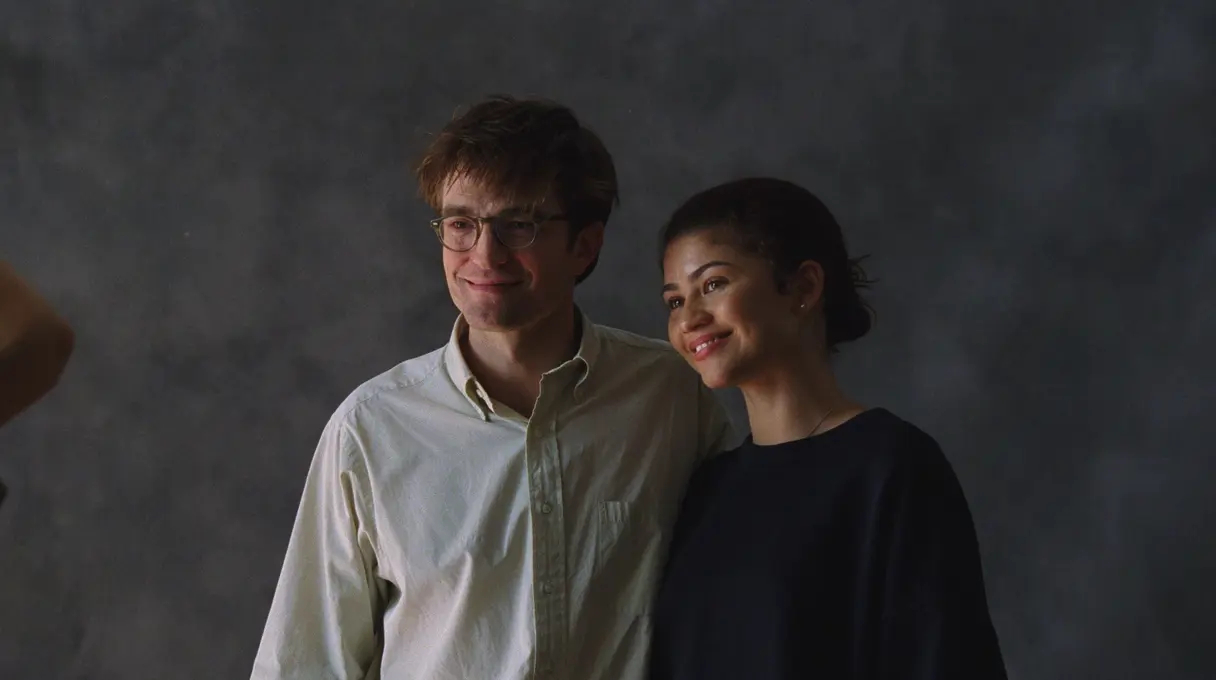

Zendaya and Robert Pattinson navigate wedding-week woes in Kristoffer Borgli’s pointed, provocative rug-pull of a film, writes Yasmin Omar in this spoiler-free review.
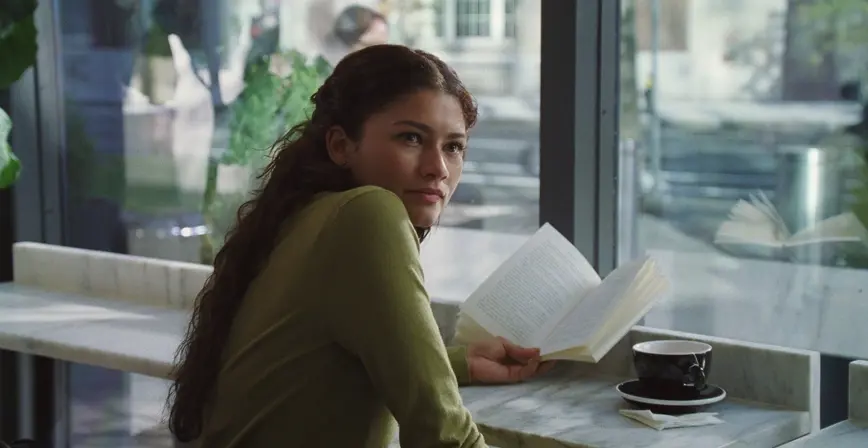
‘When I first met Emma, it was kind of like a movie,’ says rumpled Englishman Charlie (Robert Pattinson) of his initial encounter with his now fiancée (Zendaya). He’s not wrong. The Drama begins, as scores of romantic comedies do, with a meet-cute. Placing his order at a café, Charlie – handsome, but hiding it behind a pair of glasses and a scruffy mien – spies an attractive stranger absorbed in a novel across the room. He takes a covert snap of its cover, thumbs through a few online reviews and, in a bid to impress her, strikes up a conversation premised on the lie that he read (and loved) that book. After a false start, they get to talking and the rest, as they say, is history.
WATCH THE DRAMA IN CINEMAS
Book TicketsBut something is off, a churning nausea tainting the Michelin-star meal. For one, the sounds of the café are periodically interrupted by warped, gurgling noises; there’s also an unnerving jitteriness to the editing style. As if that wasn’t ominous enough, the book Emma is reading is called The Damage. By tipping the film’s self-consciously cinematic opening ever so slightly off-balance, writer-director Kristoffer Borgli sets himself up to do what he does best: interrogate the difference between how people present themselves and who they really are.
This was the central thesis of his acerbic Norwegian-language breakout Sick of Myself (2022), wherein an attention-starved woman makes herself ill on purpose to wring affection from her indifferent boyfriend. The Drama, similarly, is about controlling external perceptions of the self – which we see Charlie do within the first five minutes.
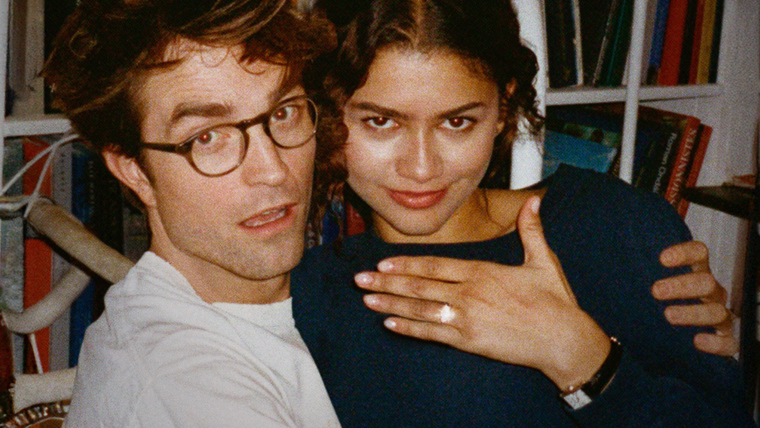
Do you feel deprived of plot? Forgive the coyness, but I’m duty-bound not to spoil the first-act revelation that colours (and poisons) the rest of the film. What I can say is that, days before they’re due to marry, Emma divulges a secret from her past that deeply disturbs Charlie, prompting him to reevaluate their entire relationship. The bounciness of the gender-split, When Harry Met Sally-aping scenes of Emma discussing her romance with her gal pals, while Charlie does the same with his best man, thuds to a halt. A heaviness sets in, darkening the comedy to an engulfing midnight-black.
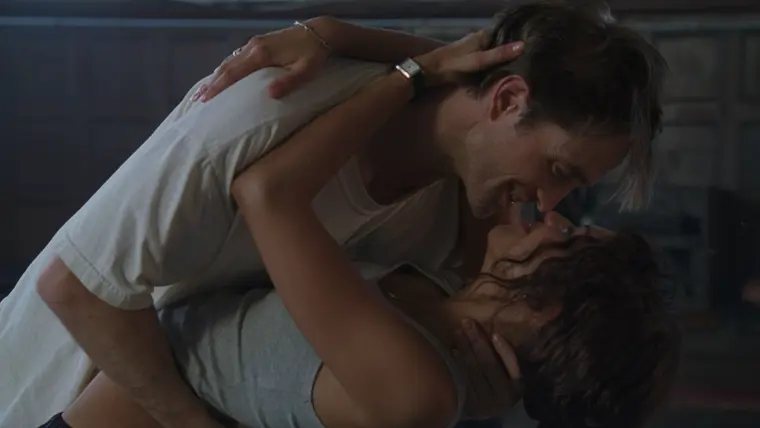
Originally a contented New Yorker tote-swishing, Criterion Channel-subscribing, Freud-paraphrasing kind of guy, Charlie is reduced to an emptied-out husk. An unusually restrained Pattinson – speaking in his own LA-flattened London accent for a change – turns ecstatic premarital joy into jumpy discomfort, folding in on himself when he cries until he resembles a mournful comma. Zendaya, tasked with personifying a dream souring into a nightmare, is largely recessive too.
However enjoyable it is to watch beautiful actors behave terribly, The Drama isn’t all that interested in its performers. They take a backseat to the ideas. Borgli is one of the rare filmmakers working today who directly grapples with the here and now (rather than ventriloquising commentary on the present through movies set in the past). As such, his films are of the moment in a way that very few are these days.
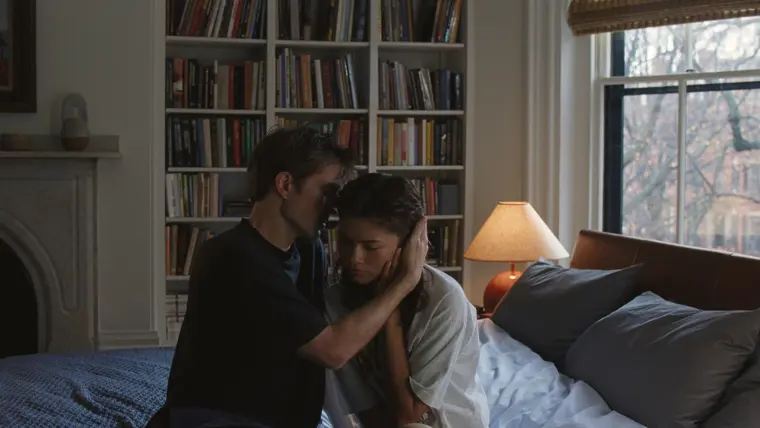
Put simply, Borgli investigates the psychic rot of the internet. The reason most artists don’t dare to try this is that it’s notoriously difficult to pull off: movies take years to gestate whereas online norms evolve by the hour. The risk of looking out of touch by release is high. The Drama constructs a trolley problem for the Instagram age that could easily double as a viral op-ed from The Cut’s relationships section. Without relying too heavily on perishable buzzwords – the film is too clever to come out and say that Charlie ‘gets the ick’ – it distils modern-dating preoccupations into an, at times, excruciatingly uncomfortable morality play.
Borgli has lost none of his bite in translation. His spiky sensibility is just as wounding, his cringe comedy just as painful. The Drama is deliberately disorienting, slipping between the real and the imagined without demarcating which is which. Its ambiguity is its strength. You’re forced to make sense of the characters’ mental unravellings, and decide what is irrational, what is exaggeration and what (if anything) is truly monstrous. One thing is for sure, though: don’t detonate a bomb in your relationship the week before your wedding.
WATCH THE DRAMA IN CINEMAS
RELATED ARTICLES
Deep Focus
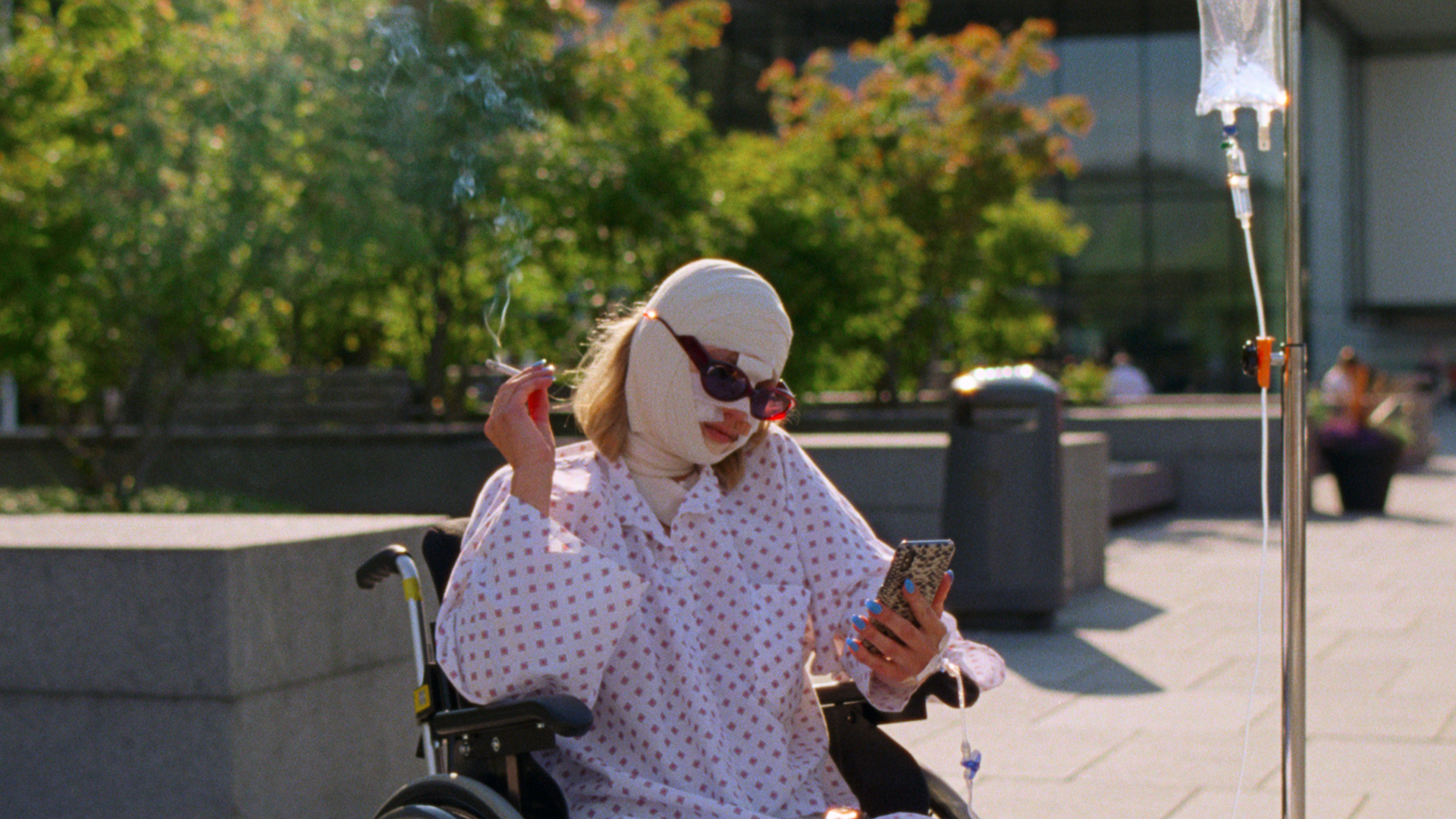
Is the Lead of Sick of Myself Really That Bad?
Review
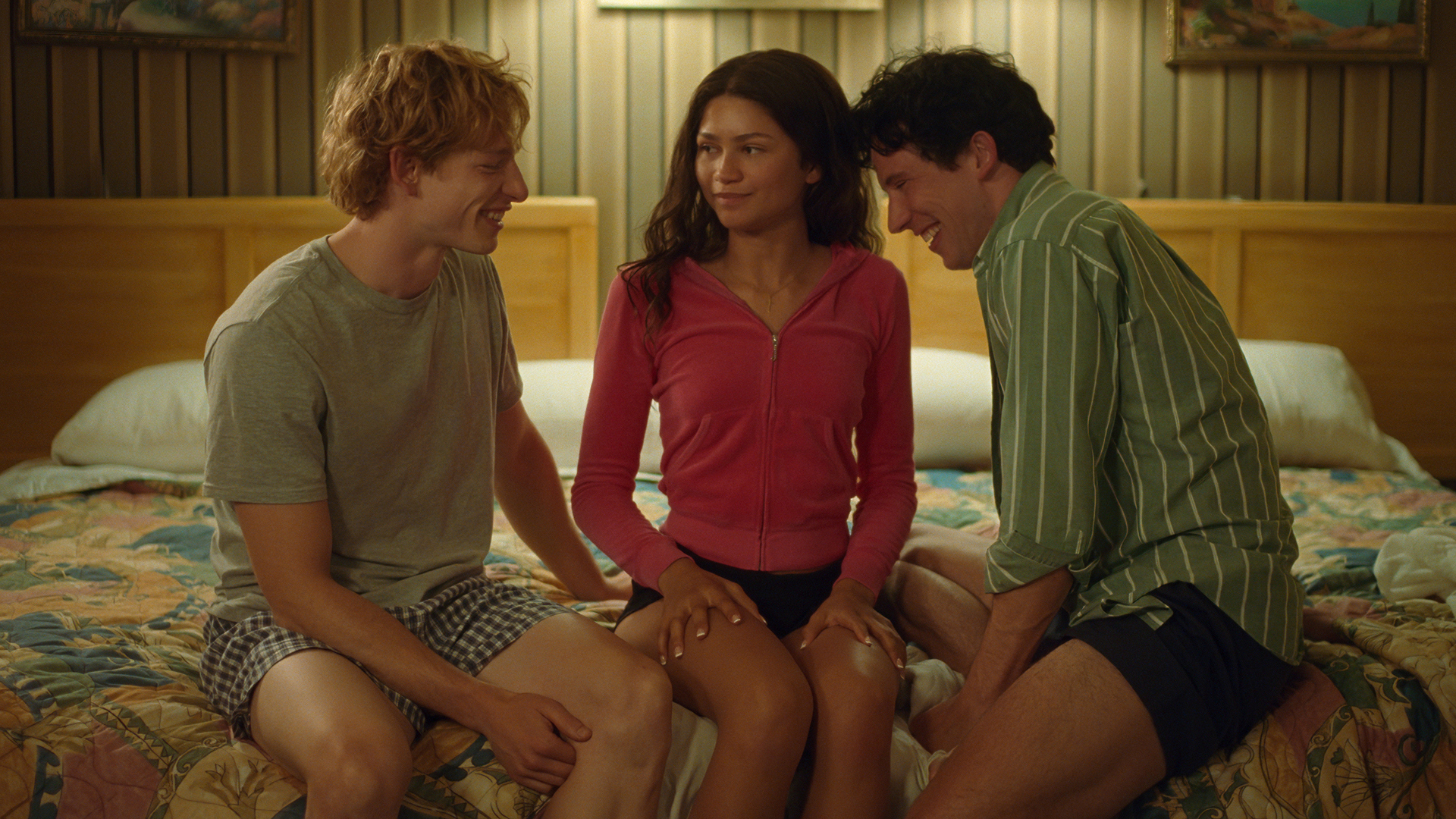
Challengers Review: Zendaya Ignites a Fiery Tennis Love Triangle
Emotions run high in Luca Guadagnino’s smouldering three-way romance, which is bolstered by kinetically captured matches, writes Yasmin Omar.
List
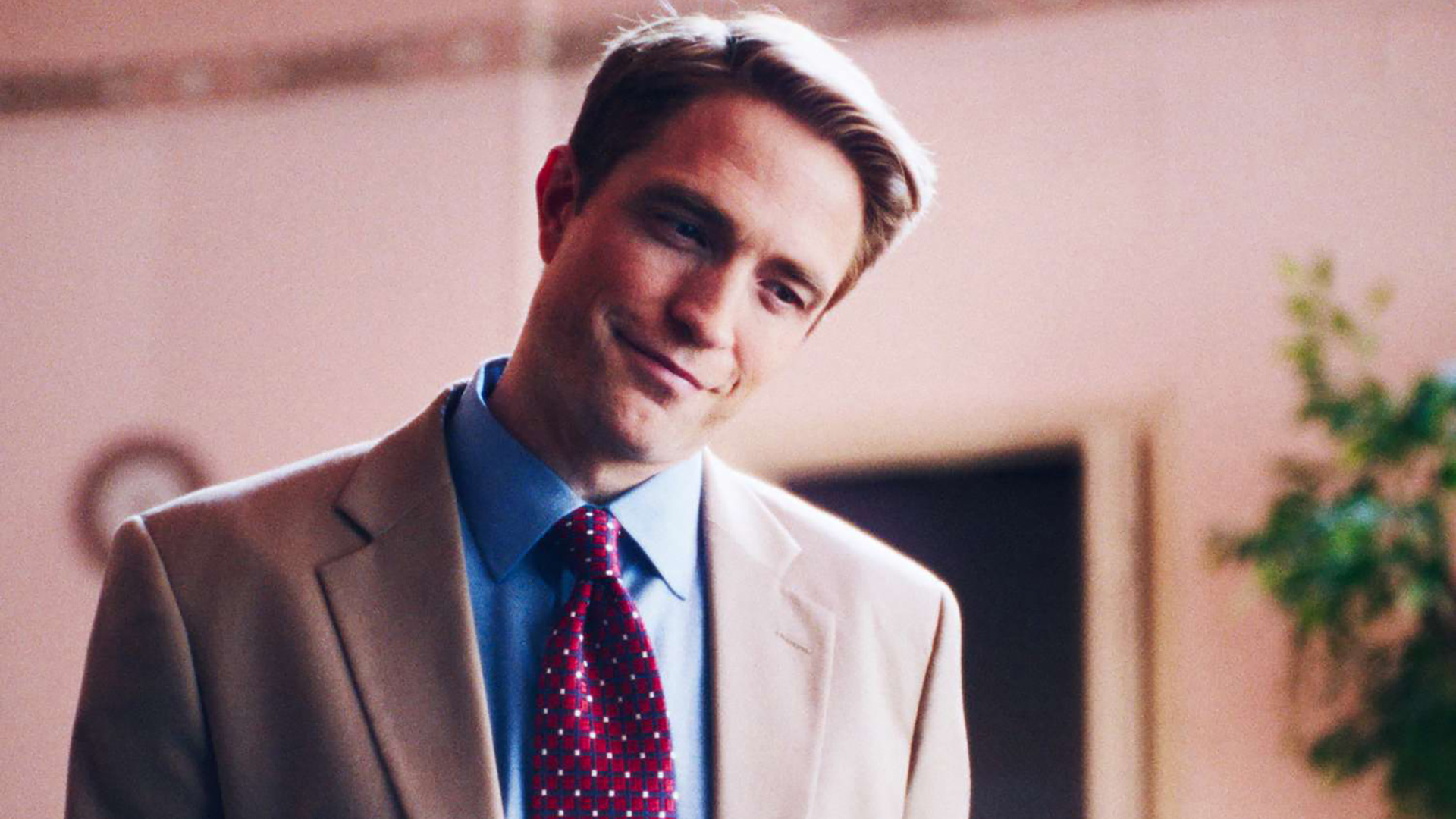
Best Robert Pattinson Performances
As Robert Pattinson returns to our screens, we look back at his best performances, in underseen gems and colossal blockbusters alike.