
Rebecca Zlotowski: Jodie Foster is Always the Hero
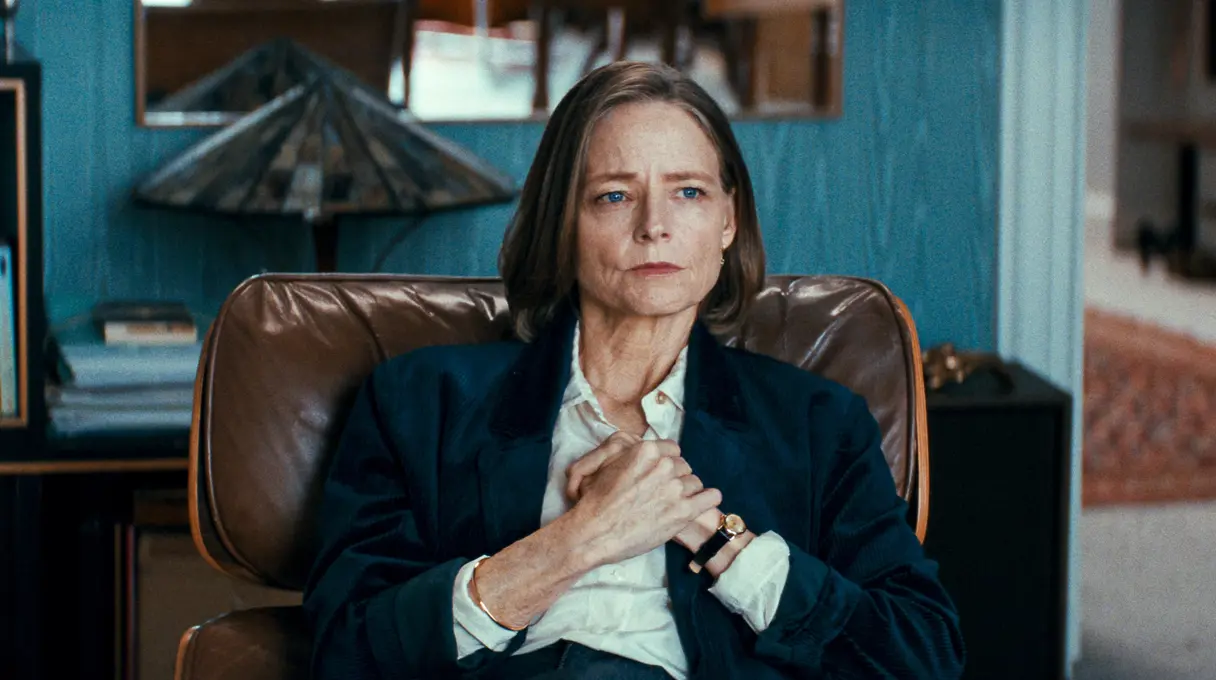
American star Jodie Foster’s fluency with the French language dates back to her childhood, though on-screen showcases of her bilingual abilities have been infrequent. She made a few French-language films in her teens, and you may also remember her in the star-studded ensemble of A Very Long Engagement (2004), Jean-Pierre Jeunet’s follow-up to Amélie (2001). Additionally, she’s often recorded her own French dialogue for dubs of her English-language roles.
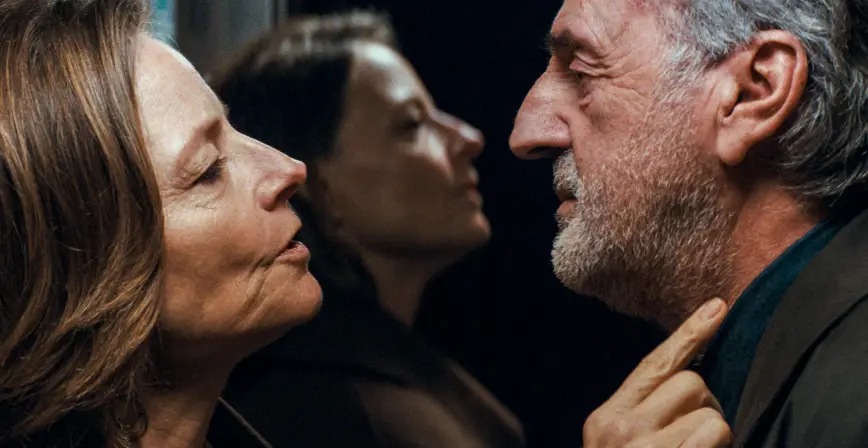
In mystery-drama A Private Life, Foster leads an entire French-language film for the first time, playing an American who’s lived in Paris for decades. Sleekly directed – and co-written – by Rebecca Zlotowski (Other People’s Children [2022], Grand Central [2013]), the film follows bored Parisian psychiatrist Lilian (Foster), whose aloof exterior cracks when one of her longtime patients, Paula (Virginie Efira), dies by apparent suicide. Suspecting foul play by Paula’s husband (Mathieu Amalric), Lilian enlists her own ex-husband (Daniel Auteuil) for some frantically improvised amateur sleuthing.
Here, Zlotowski discusses working with Jodie Foster, her relationship with analogue technology and more.
Josh Slater-Williams: From Jodie Foster herself through to one-scene supporting players like the late Frederick Wiseman, A Private Life features many actors who also direct films themselves. Was that intentional from the very start of casting and, if so, why?
Rebecca Zlotowski: I think it’s part of my masochistic [tendencies] because how can you have so much pressure on a set? You have Jodie Foster, Daniel Auteil, Mathieu Amalric, even Luàna Bajrami has directed [two] features and she’s 25 years old. It’s a huge amount of stress to be under the eye of amazing actors that are also directors.
WATCH A PRIVATE LIFE IN CINEMAS
Book TicketsTo be serious, the reason why I lean towards those stars first is because I do not have a good relationship to the casting [process]. I feel this is a moment where directors can have a power I do not enjoy. When you have the position to say, ‘Maybe I can invite you into the film, maybe not’, that’s something that makes me uncomfortable. So, I often reverse the situation to be in a position to be chosen; to be picked up by someone.
When you have Jodie Foster in your film, you’re not choosing Jodie Foster. She picks you up. You are part of her filmography. You become a title in the entire filmography that she builds. The same with Daniel Auteil, with Léa Seydoux [for Zlotowski’s Grand Central and 2010’s Belle Épine], with Natalie Portman [2016’s Planetarium].
And then the fact they are directors is just an extra, egalitarian position. It’s a rebalance of the situation that I like. Don’t get me wrong, I’m a very strong and authoritarian person, but I love there to be a balance on a set. And the fact that they are actor-directors creates something that is super balanced and useful for the film.
JSW: Are there any earlier roles of Jodie’s that you think share DNA with this character and performance?
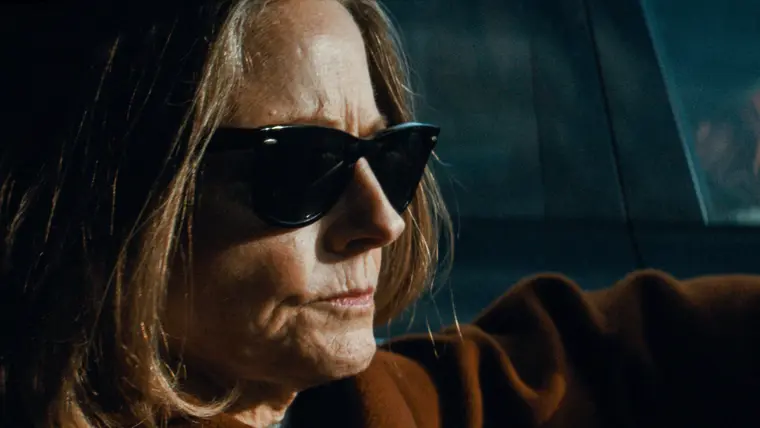
RZ: Interestingly, maybe not. I feel that this part is in opposition to other roles she’s had, because one thing with Jodie is that she’s never in a family [on screen]. She’s always the hero. Since day one, she was in a position to pick the scripts. She had the power. She was one of the only women in Hollywood able to be the hero in the film, the centre of the narrative, in the way Hollywood and blockbusters do it – meaning you have a hero and then you have satellite [characters] pulled around her.
She’s never been ‘the wife’. She’s never been ‘the daughter’. She’s always been the hero. I found it difficult to cast the character of the ex-husband because even when she has a husband [on screen], like in a film that I love, Panic Room [2002] from David Fincher, she’s divorced but the guy is not there. She’s with the daughter, she’s the mum, but you never see her in that family [set-up].
So, [Lilian in A Private Life] was like a new version of her, being fully in French as this bourgeois in Paris; being very funny, but also very tired of what she’s dealing with in a professional crisis. It was interesting to cast the family around her because it was like a virgin field.
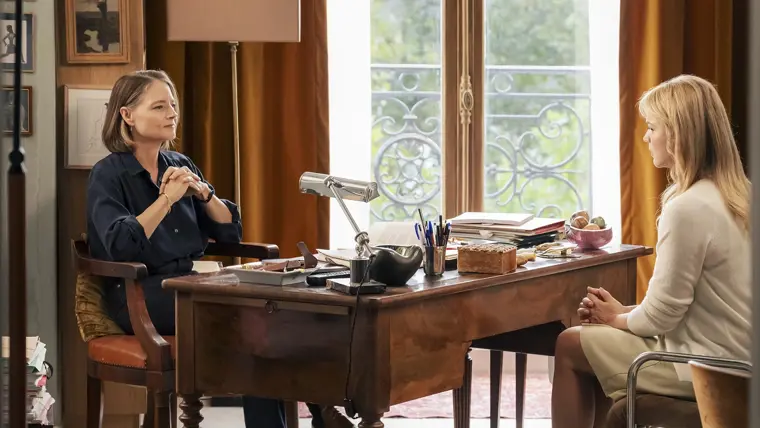
JSW: You worked with Virginie Efira on your previous film, Other People’s Children, where she was the lead. For the character of Paula in A Private Life, you evidently needed someone who would haunt the whole movie despite minimal screentime.
RZ: I fell in love with this actress. One thing that I was looking for with this character, Paula, is that she needed to durably imprint on the retinas of the viewers across the film, although she has just maybe two to five minutes on screen. In such a case, I recommend having an amazing actress because the audience will be like, ‘OK, she’s going to be important. She’s going to come back.’ And you can fulfil or frustrate this expectation, but it creates something in the heart and memory of the audience. That’s the reason why I really needed a star for this character.
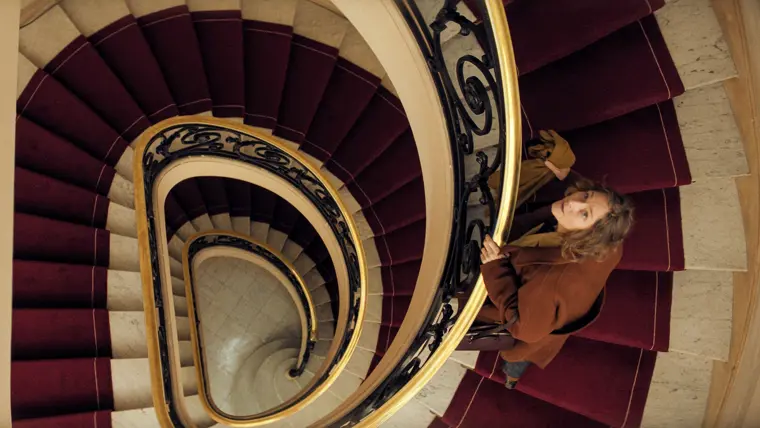
JSW: There’s a memorable moment where Lilian is questioned about her continued use of MiniDiscs for recording her therapy sessions, where she says, ‘Because I can lose them makes them precious’. What is your own relationship to the analogue media present throughout the film?
RZ: I’m not as fetishistic as the character is, though the MiniDisc [recorder] is something I definitely used – and the one you see in the film is mine! There’s something that connects me to the tangibleness of memories and images. The nostalgia, the melancholic aspect of those tools and those devices is that you know, from day one, that they’re going to be [outdated] in two minutes. And this is [also] a feeling that is so connected to cinema – to capturing and filming.
WATCH A PRIVATE LIFE IN CINEMAS
RELATED ARTICLES
Interview
It’s Time to Take Virginie Efira Seriously
List
Best French Films
Since the Lumière brothers hosted the first public screening of their 10 short films in December 1895, France has played a key role in the development of cinema, and the nation's movies continue to be a dominant presence on the world stage. We’ve drawn up a list of the best French films of all time, from the earliest talkies right up to the present.
Article
How Big Tech Became Animation’s Ultimate Supervillain
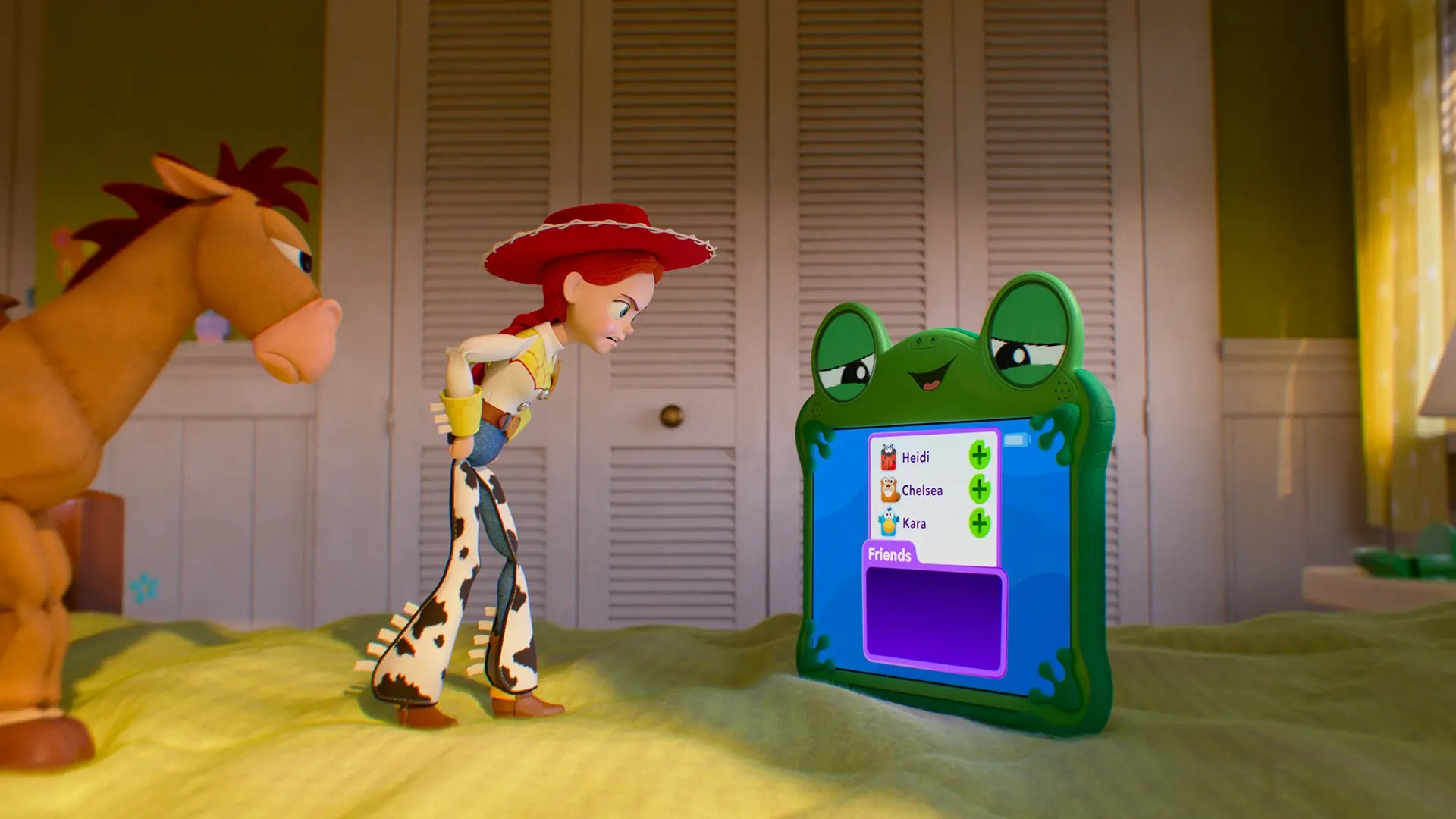
From Ron’s Gone Wrong’s data-mining CEO to Toy Story 5’s attention-sucking AI tablet, there’s been a surprising surge of anti-billionaire techno-pessimism in recent family films. Alistair Ryder investigates the trend.