
The Dardenne Brothers on Young Mothers
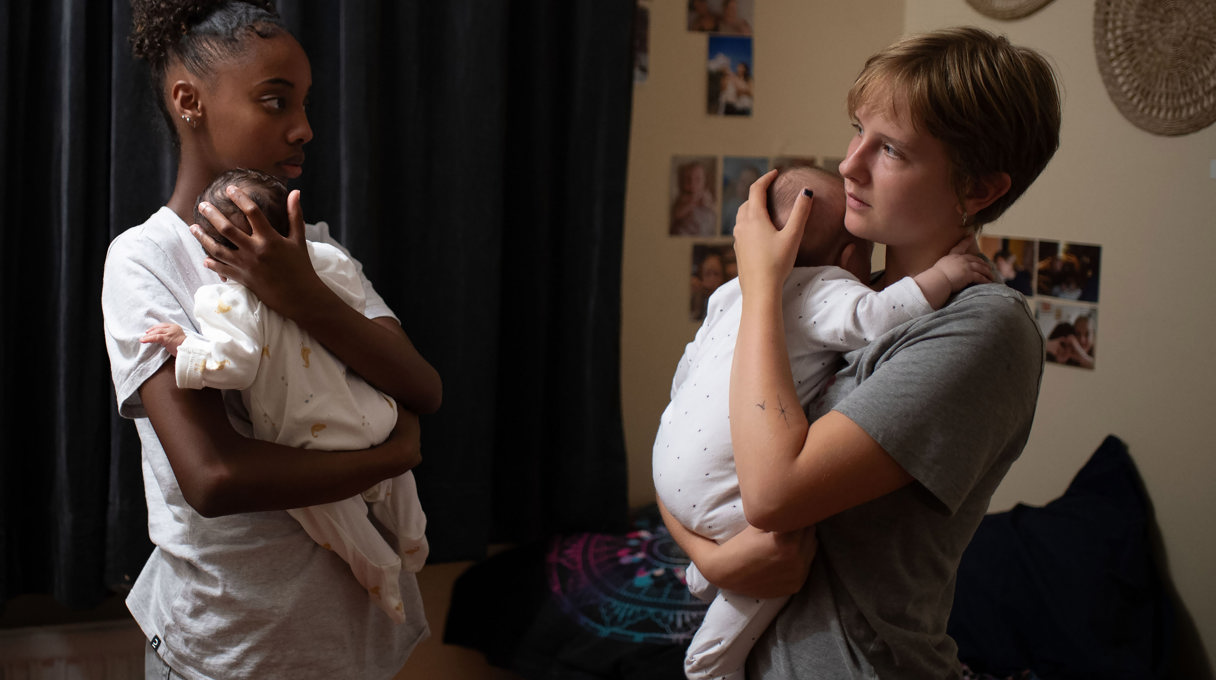
In Young Mothers, Belgium’s most famous filmmaking brothers, Jean-Pierre and Luc Dardenne, plunge us into the intersecting stories of five pregnant and postpartum teenagers. They are all minors, whose unstable family backgrounds are offset by the compassionate environment they now occupy.
‘The location gave us the desire to make a film,’ says Jean-Pierre, referring to the unique, state-funded home for young mothers in Liège, Belgium, where he and brother, Luc, researched the specific details that animate their tender new docurealistic film. Rather than pulling details from many homes, they zeroed in on one, distinct for its low mother-staff ratio (10-15 as opposed to 50-60 in other institutions) as well as the unusual demographic of the inhabitants. ‘In this case, it's very different because they're all minors,’ says Luc, ‘In the others, they might be a 17 or 18-year-old, but there'll also be a mother who is 30, and they'll be very, very difficult stories and people with lives full of psychiatric issues.’
Although change is technically possible at any age, there’s something inherently hopeful and high-stakes about choosing a setting where extreme youth means that futures are wide open and no one is yet set in their ways. ‘We witnessed this fragility of life with the energy in that house,’ says Jean-Pierre.
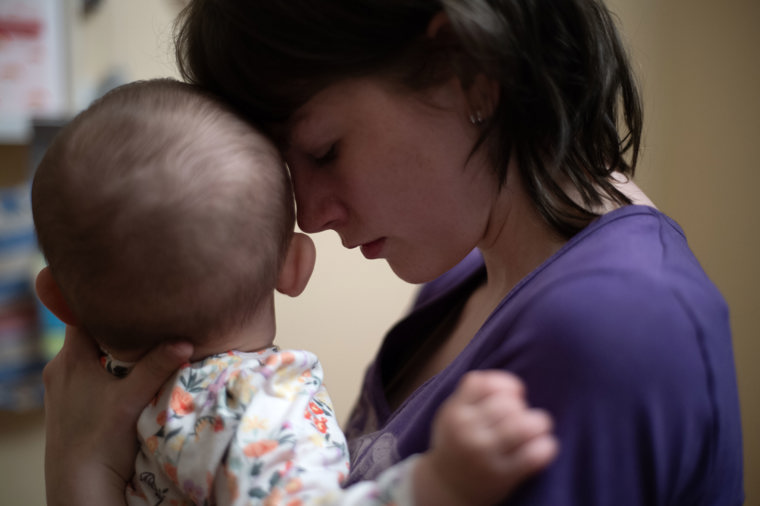
The Dardennes have lovingly transposed to cinema not just the travails of the young mothers, but the extraordinary commitment of the care workers supporting them through a painful ‘two-steps-forward-one-step-back’ dance of progress. Practical, emotional and psychological support is given tirelessly to overwhelmed young charges (and their even younger babies). In the first scene, heavily pregnant teen Jessica is driven by careworker Bella to a rendezvous with the birth mother who gave her up for adoption. When her mother does not show up, it is Bella who holds her until she calms down. Even weathering a light bite from the manic Jessica.
‘It's an institutional space, but it's special because of the interpersonal relationships, the bonds,’ says Luc. He describes how the care workers they met literally taught the young women how to be mothers. ‘Washing the baby in the morning, dressing the baby, everything that the baby needs, the bottle, and how to take turns making food for everybody, because some actually have never cooked before.’
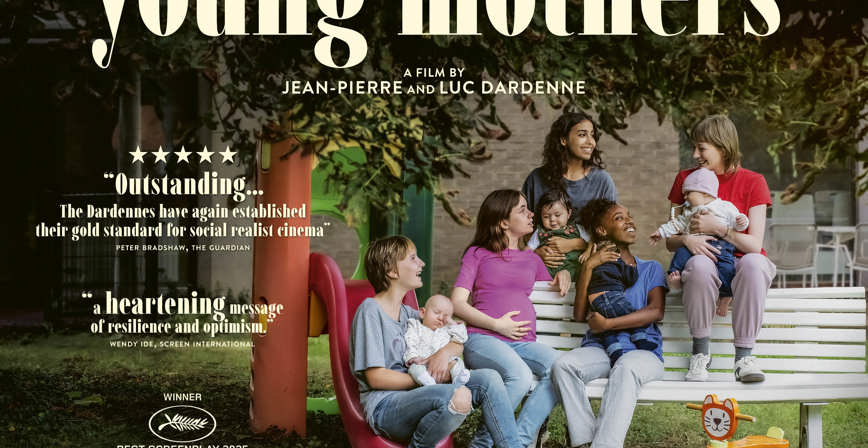
Young Mothers is in cinemas now
Book Tickets NowThroughout crushing disappointments meted out by birth families and partners, as well as their own private struggles with addiction, Jessica, Julie, Ariane, Perla and Naïma have one constant: a domestic microcosm where they are supported in becoming more supportive themselves and given gentle reality checks regarding the potential traps awaiting. Their characters are inspired by observations the directors made while in the real home. Safeguarding undergirded this process. As Luc explains, ‘The fact that the girls are underage, are minors, means that we couldn't talk with them about their lives. If one chose to open up about something, we could be there and receive it, but we couldn't ask questions.’
Where they could really get stuck in (both during the initial research phase and when anything came up that needed fact-checking during pre-production) was in conversations with the specialist adult staff. ‘We spoke a lot with the psychologist there, who is somebody [with] 30 years of experience. The film was made from a lot of conversations with the educators, the nurses, the managers, and also we were watching, we were observing.’
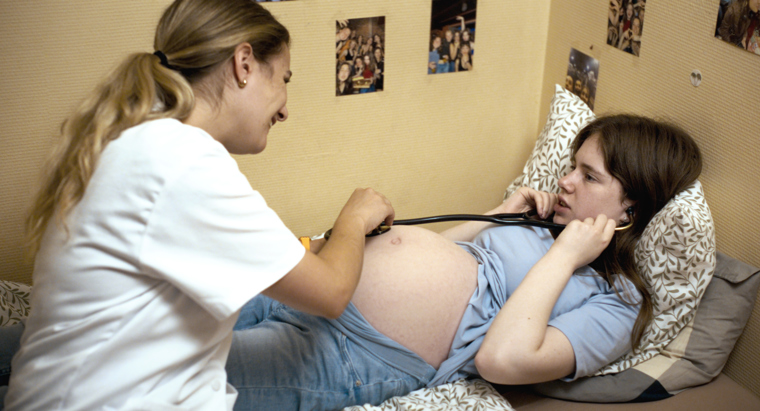
The depiction of a genuinely caring, government-funded space contrasts with a motif typically found within social realism of institutions as callous bureaucratic spaces, as likely to crush the vulnerable humans who need them as they are to offer a positive intervention. This is something we have seen in the Dardennes’ own work. Young Mothers pivots around the most unabashedly nurturing institution they have ever depicted. Is this a response to changing sociopolitical tides worldwide – a way of advocating for the kind of social care seemingly always under threat of cuts?
‘What you're saying is right, is true,’ says Jean-Pierre gently, ‘but when we decide to work on something, [the wider social climate] is not what motivates us. We start from the five young mothers and how they can make it through. That's what we're interested in, not that it excludes other things, but the fact that they can find light on their trajectory means that the maternity house works.’
The most profound lesson for the young mothers would involve grasping the means to break inherited patterns of behaviour which see women trapped in the cycles of poverty and abuse that tend to go hand-in-hand with unplanned pregnancies. We watch one character, Ariane, struggling during a visit to her vulnerable mother, who has only recently quit both alcohol and a violent partner.
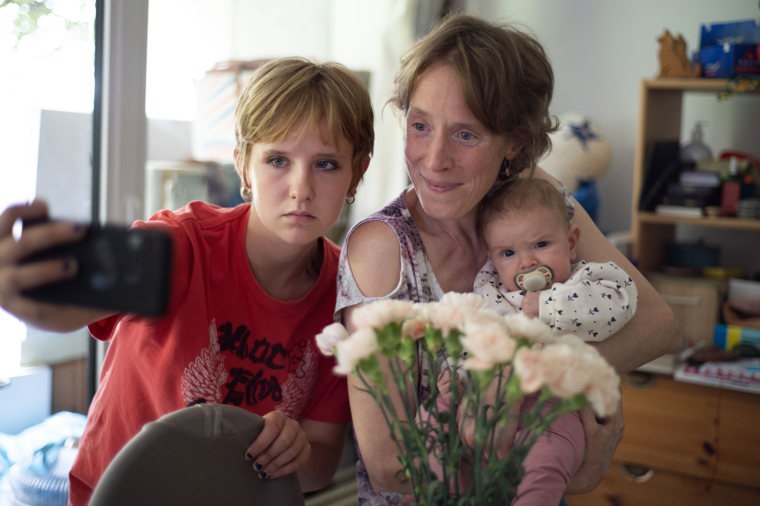
Ariane’s character is infused with elements of a story they heard of during a visit to the real maternity home. Luc recalls, ‘There was a young woman who was there before we got there, and she was the fifth generation of young mothers – so the eldest is now 80 – who had their child at 16. At the same time, you have the violence of the man, repeating the pattern.’ To permanently shift onto a new trajectory, the brothers believe support is needed beyond the institution. ‘We try to show, for example, one mother will connect with her sister, [while another will] connect with a very special social worker with whom she has a specific bond. There's always the fact that they need somebody else, and this other human connection will enable them.’
‘So it's really a little bit in all our films,’ continues Jean-Pierre, zooming out, ‘there's this connection when there is a meeting with another human being that's going to help the character to make it through.’ To put it another way: they believe that no one can transform alone. Kafka’s Metamorphosis is cited as a core inspiration across their body of work. ‘Our stories are linked,’ says Jean-Pierre, ‘When you read Kafka's story, you have empathy for the animal. You'd like him to be able to re-enter the community. To re-enter society, you have to have people empathise with him as an animal. He needs the other in order to do so.’
‘We're not anthropologists,’ says Luc, ‘like taking an example to show society what it is. We try – with our mise-en-scène, with our directing, and how we are in our filmmaking – to be at the eye level of our characters. This is our challenge, that's what we like doing: how can we show these characters in a way that they truly exist?’
WATCH YOUNG MOTHERS IN CINEMAS
RELATED ARTICLES
Aftersun
Festival Report: Cannes 2022
List
Best French Films
Since the Lumière brothers hosted the first public screening of their 10 short films in December 1895, France has played a key role in the development of cinema, and the nation's movies continue to be a dominant presence on the world stage. We’ve drawn up a list of the best French films of all time, from the earliest talkies right up to the present.
Review
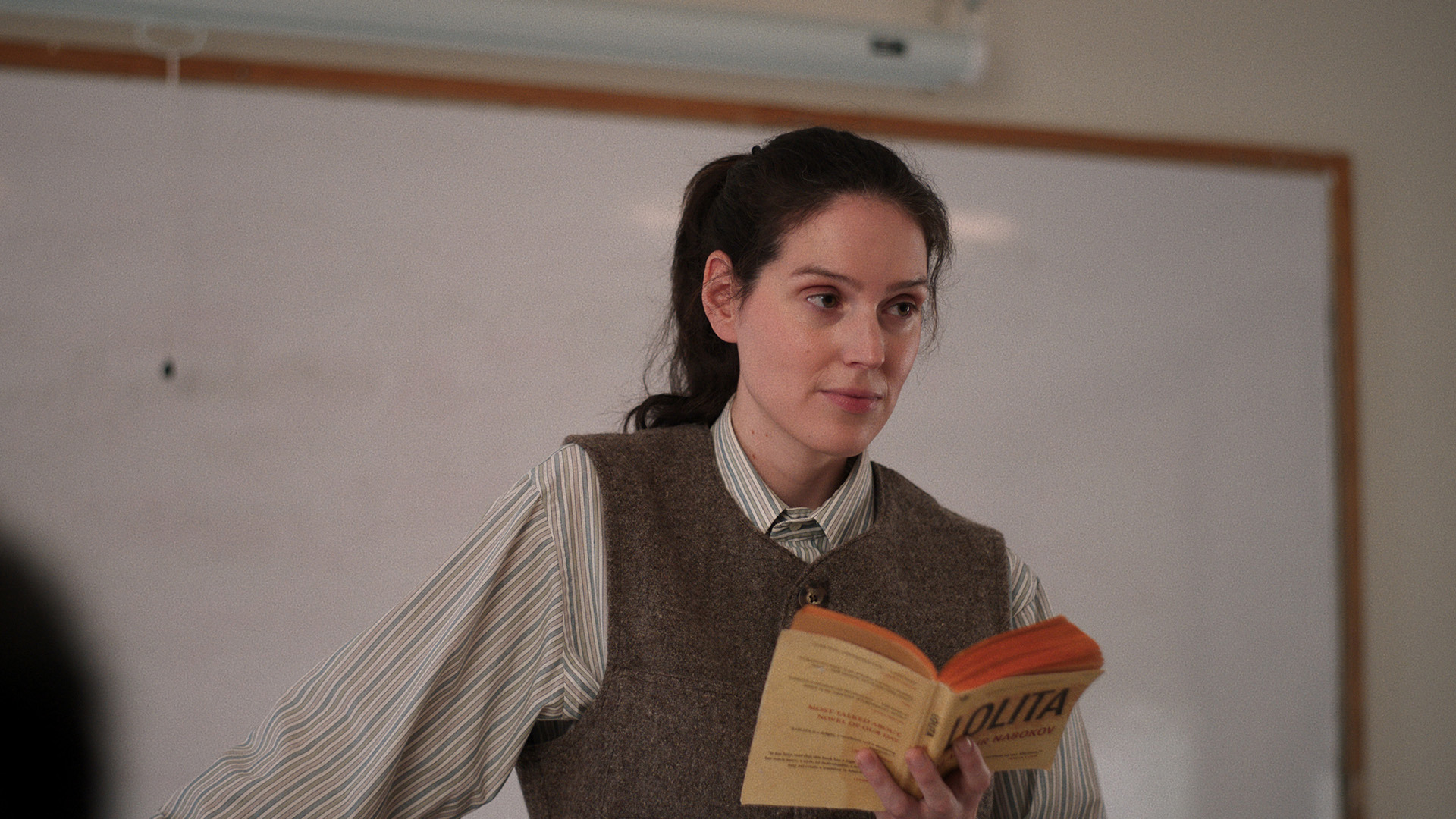
Sorry, Baby Review: Eva Victor Upends the Trauma Plot
This Sundance-winning tragicomedy is an incisive, mordantly funny investigation into the fallout of a sexual assault that overturns narrative conventions, writes Yasmin Omar.