
We’re Living Through the Golden Age of Ridley Scott

Look beyond the mixed receptions of the director’s recent films, and you’ll find an idiosyncratic, expectation-subverting body of work that refuses to bend the knee to fans’ demands, argues Alistair Ryder.
Recently, it’s felt like cinephiles have enjoyed Ridley Scott’s press tours more than they have the movies he’s promoting. From his joyously egotistical declaration that the only films he now watches are his own (‘They’re pretty good!’) to his shutdown of anybody criticising his movies for historical inaccuracy (‘Were you there? No? Well shut the fuck up then!’), each insight into the legendary 88-year-old’s mind proves he still has the demeanour of a filmmaker many decades his junior.
As he’s about to finally receive an honorary Oscar, which he previously joked he’d accept by saying ‘about feckin’ time!’, many are looking back at his earlier string of masterpieces – Alien (1979), Blade Runner (1982), Thelma and Louise (1991)... – as evidence of why he so greatly deserves Hollywood’s highest honour. I’d argue that, while he made many of his best movies during that period, we’re currently living through the most exciting, experimental run of his career. We’re seeing a director with nothing left to prove take some of his riskiest swings to date.
WATCH THE DOG STARS IN CINEMAS
Book TicketsAfter a post-Gladiator stretch alternating between fantasy and Academy-friendly drama, which culminated with 2010’s Robin Hood, Scott set the tone for this late-career renaissance in 2012 with Prometheus. Though it was a prequel to one of his most beloved films, it refused to opt for safe fan service. As millions of sci-fi buffs settled in expecting to see a new space crew terrorised by extraterrestrial beasties, they were instead confronted with a bizarre odyssey in which space archaeologists are entrusted with finding the origins of humanity.
Prometheus was so loose in its connections to Alien that it became more of an origin story for the extinction of mankind – rather than the arrival of the dastardly Xenomorph. Released a couple of months before Scott’s brother, the filmmaker Tony, passed away, it quickly gained new resonance by not neatly answering any of the existential questions it raised. However, there was nothing more dangerous than leaving a blockbuster audience pondering the meaning of life without revealing it.

When Scott returned to the world of Alien with the 2017 sequel Alien: Covenant, he deviated even further from expectations, taking a sharply nihilistic turn by positioning Michael Fassbender’s android David as the architect of humanity’s extinction. The film had such a mercilessly bleak finale, it seemed like Scott was painting himself into a narrative corner as a challenge for a third movie. The only approach to transform the franchise’s fortunes turned out to be replacing Scott and rebooting altogether, making Covenant shine brighter as a mean-spirited gem in retrospect.
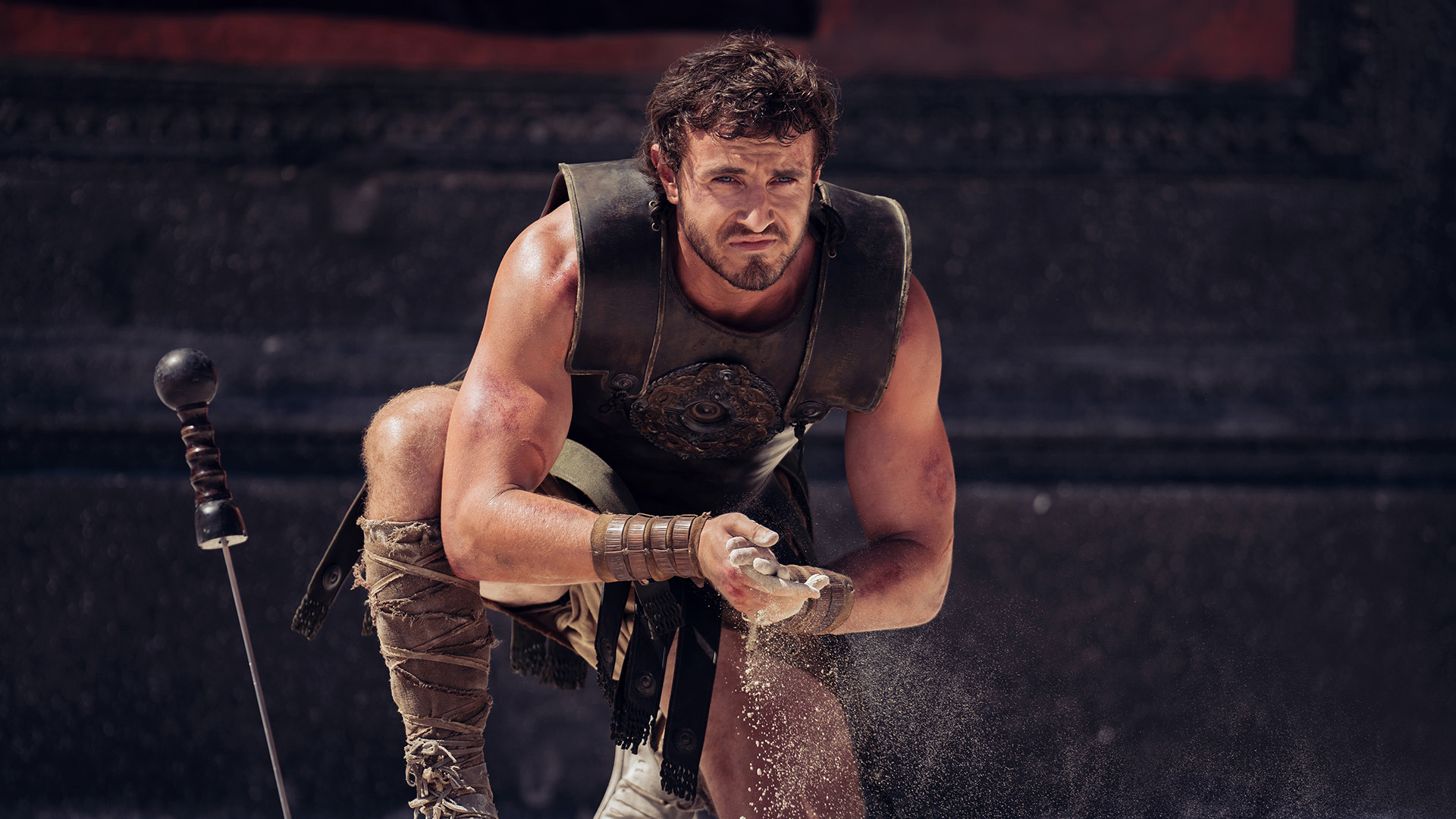
His other return to an unlikely franchise, 2024’s Gladiator II, similarly saw him reject any neat ideas for narrative continuation – even if the result was a lot more conventional than the Nick Cave script from decades prior. Scott favoured pure action maximalism, working with his biggest budget to date and bringing to life the most ludicrous set pieces he could imagine. It was the work of a liberated filmmaker, uninterested in incorporating studio notes or audience feedback, motivated purely by conjuring up a spectacle on a scale he’d only previously glimpsed.

The most divisive movie from this late period is 2013’s crime thriller The Counsellor. It tells of a crooked lawyer (Fassbender) who makes an enemy of the Mexican cartel after a drug shipment gone wrong, and was adapted from the only screenplay written by author Cormac McCarthy. Nobody would call it the best McCarthy adaptation, but it does feel like the purest distillation of his career-long obsession with exploring cold, bloody retribution in the most biblical, Shakespearean sense. The dense language of the script can either be alluring or alienating, depending on your taste.
Scott has said it was the best screenplay he’s ever worked with, and it’s easy to get swept up in the hyper-stylised, emotionally detached dialogue, and the theatrical nature of having movie stars monologue about the futility of mortality itself. It’s gradually been reassessed as one of Scott’s most successful big swings, with the sparse, crime-thriller beats complemented by its literary sensibility. It feels like nothing else he’s made even though it’s within one of his comfort-zone genres.

There are successful blockbusters during this period – 2015’s The Martian was his biggest crowdpleaser in quite some time, and his last Best Picture nominee – but it’s the occasions he refuses to play safe that have been the most striking. In the same year as a second divisive Alien prequel, what appeared to be a more conventional prestige play for the Oscar race turned into one of his most famous gambits: reshooting a significant amount of All the Money in the World (2017) just weeks before release to remove a recently disgraced Kevin Spacey.
This bagged both Scott and replacement star Christopher Plummer awards nominations at the very last moment. It was further proof that his technical skill hadn’t diminished over the years, but the headline-grabbing nature of these reshoots shouldn’t take away from the wilder experiments during this period of his career.

The Last Duel (2021) saw him take on a Rashomon-style period epic, approaching the historic lack of justice for sexual-assault survivors with real candour, and offering one of the most nuanced female perspectives in his filmography as a result. Released as his first film following the All the Money in the World reshoot saga, it felt like a more comprehensive statement on Me Too after the lip service of cutting ties with Spacey, using a real case from medieval France to illustrate the centuries-long struggle for survivors to be heard.
It was beloved by critics, but underwhelmed with audiences. Just years after subjecting the Alien fanbase to a despairing tale of mankind’s extinction, The Last Duel proved that, at his advanced age, he’s still fearless when it comes to making us address the uncomfortable brutality that our world was founded on.

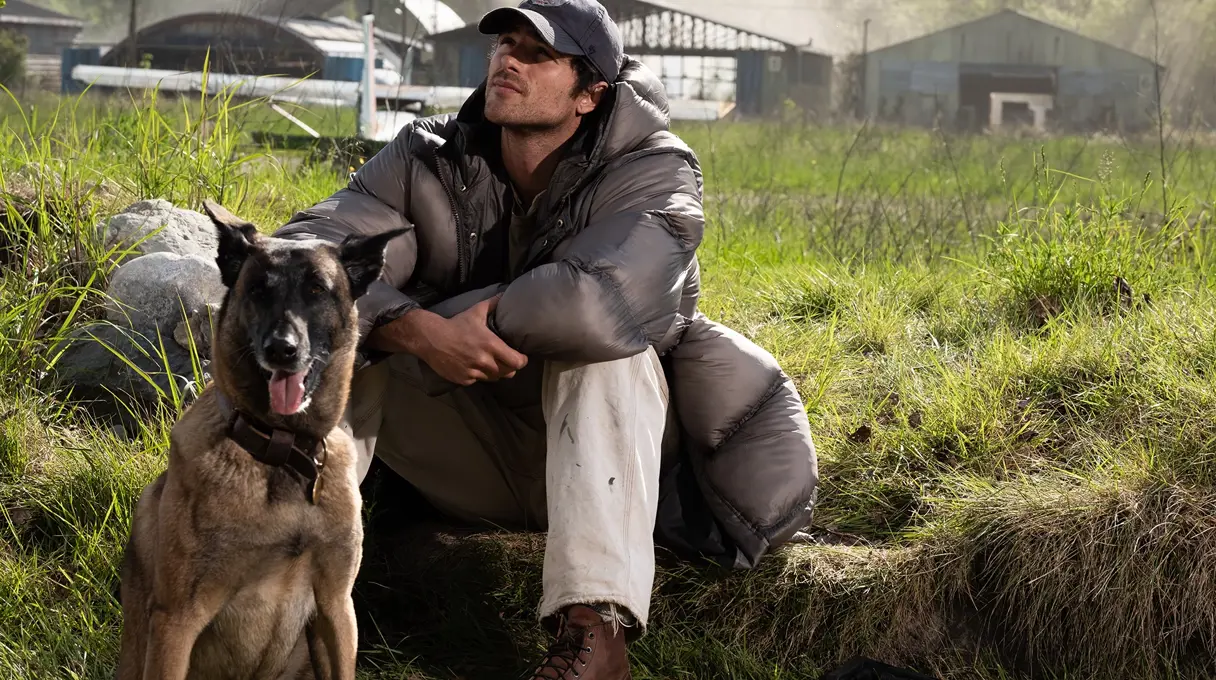
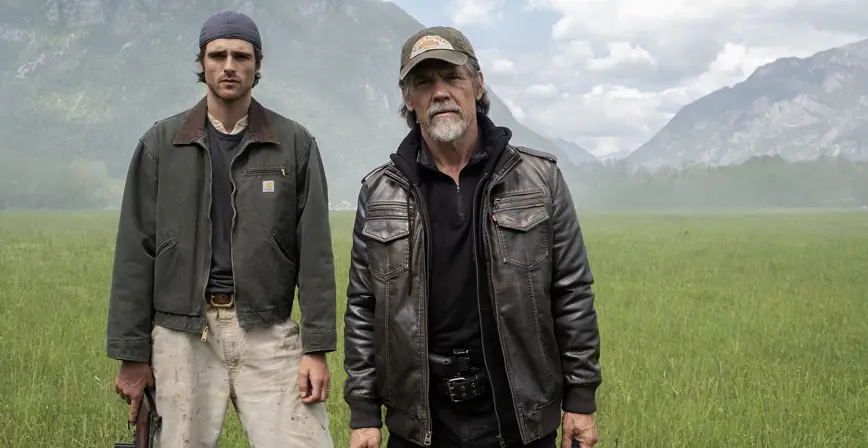
The apocalyptic horror of The Dog Stars appears to be another gesture in this thematic direction, with the weighty topics of existentialism and retribution continuing to drive his work in the wake of his brother’s death (which he’s still publicly mourning in interviews).
The darkness of this Scott era makes for one of his richest periods to date and, even if it is more divisive than anything he’s previously done, I’m grateful that he refuses to ever settle down. His honorary Oscar would be deserved for this past 15 years alone – it’s about feckin’ time he got one.
WATCH THE DOG STARS IN CINEMAS
RELATED ARTICLES
List
Best Movies Directed By Ridley Scott
Ahead of Gladiator II, we look back at the very best Ridley Scott movies that showcase the prolific director’s varied, groundbreaking filmography.

Article
Lady Gaga’s Undeniable Movie Stardom
Unlike many pop superstars-turned-actors, Lady Gaga has a commanding screen presence and captivates audiences with her magnetic star quality, says Anna Bogutskaya
Article