
Director Petra Costa on the Fragility of Democracy

The Oscar-nominated filmmaker Petra Costa talks to Ian Haydn Smith about her riveting documentary, which details the rapid rise of the Christian Fundamentalist movement in Brazil – and its portent for democratic societies around the world.
Looking back on her Oscar-nominated 2019 documentary The Edge of Democracy, which mapped out Brazil’s trajectory across the late 20th and early 21st century, Petra Costa notes, ‘I felt that we were living through such an extreme historical moment that you couldn’t not document it – that it would almost be a crime not to capture what was happening. And so we started filming’.
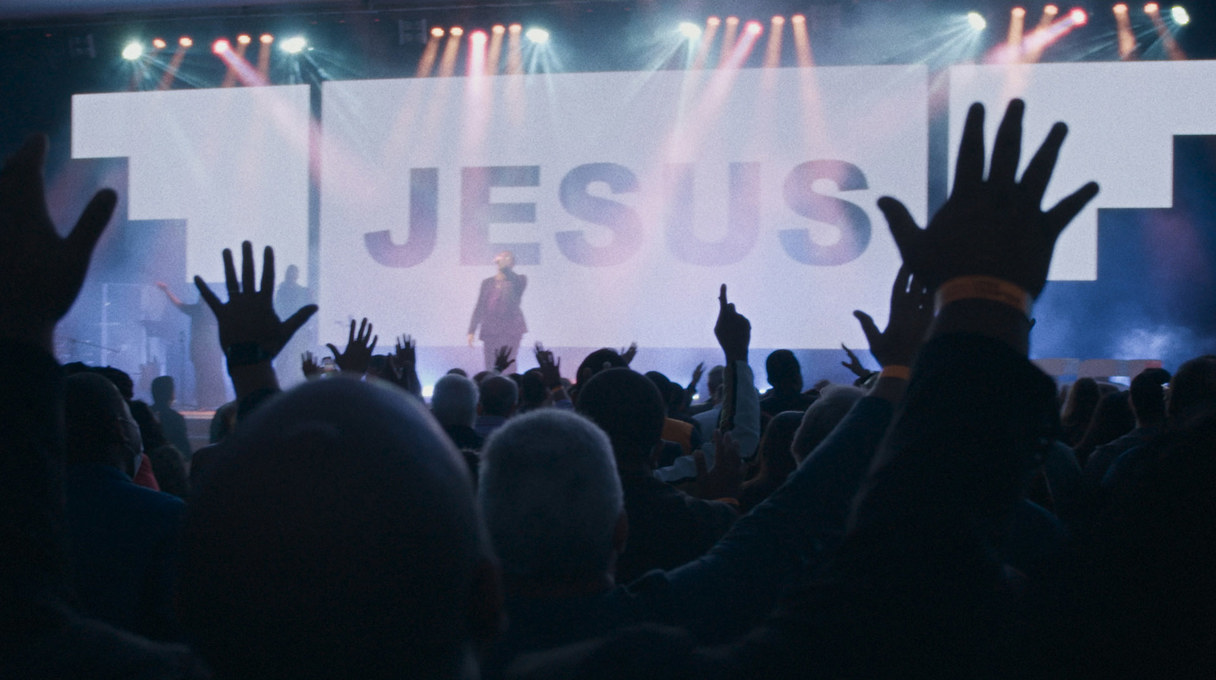
Her new film, Apocalypse in the Tropics, surveys the rise of the Christian right in her homeland, making plain its links with the political right, represented by the relationship between former President Jair Bolsonaro, and influential Pentecostal pastor, author and televangelist Silas Malafaia. But it is also a warning to any liberal democracy of the threat posed by theocratic ideology.
WATCH APOCALYPSE IN THE TROPICS IN CINEMAS
Book TicketsBrazil was seen as one of the great democratic experiments of the 20th century. In the early 1960s it emerged as a country full of hope. The dream soon became a nightmare when, in 1964, the military took control and ruled for two decades with an iron fist. Democracy returned in the mid-1980s but was hampered by economic woes. Then, in 2003, the surprise victory of Workers’ Party leader Luiz Inácio Lula da Silva seemed to herald a new era, with social policies aimed at lifting so much of the country’s population out of poverty. But the right struck back, culminating in Bolsonaro’s success in the 2018 presidential election – a moment seen by many Brazilians as a return to authoritarian rule.
Interspersed with the fascinating story of Costa’s parents’ activism against the former military junta, The Edge of Democracy cogently documents this recent history. But there is a spectre that never fully materialises in the film. ‘It was clear to me at the end of that film that this evangelical phenomenon was clearly more powerful than I had ever imagined,’ Costa remembers.

Apocalypse in the Tropics – which, like The Edge of Democracy, was produced by Netflix – was not the film Costa intended to make. ‘I did not want to make another film about Bolsonaro,’ Costa says emphatically. The idea had been to focus on the Brazilian government’s response to COVID-19 and the fallout of the decisions made. ‘As we documented what was happening, it became clear that the evangelical presence was so omnipresent, from the favelas to the halls of power. We found ourselves increasingly sidetracked.’
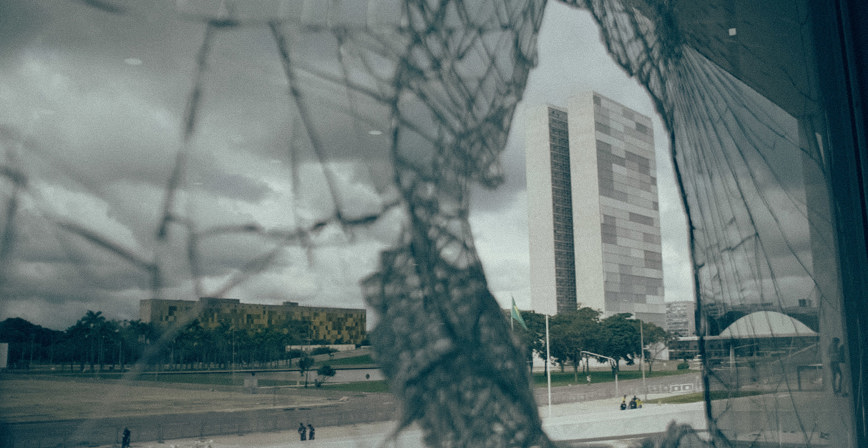
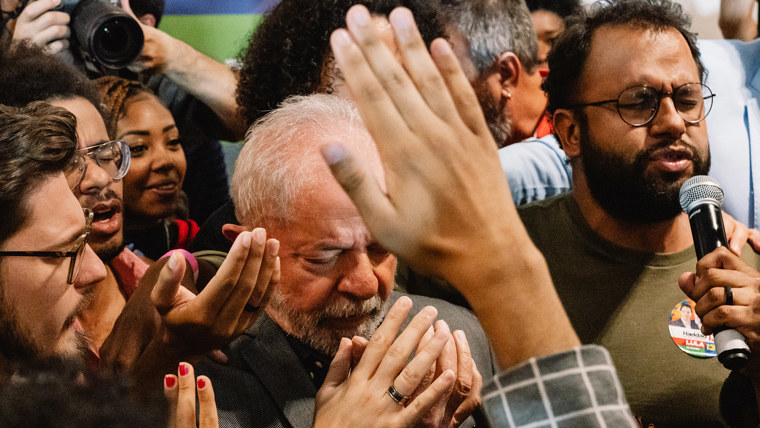
Like the US and other populist-riven countries around the world, a pervasive and deeply conservative form of Christian evangelism had taken hold across all strata of Brazilian society. Costa had already seen examples of that presence making her previous film. ‘We had tried to include the scenes that open Apocalypse – with people blessing Congress to ensure that God takes over the three branches of power – in the earlier film, but we couldn’t get them to work. These moments intrigued me deeply. They were like, as we say in Portuguese, “a flea behind my ear”. I knew there was something to investigate there about the power of evangelicals in Brazilian politics. When we got access to Silas Malafaia I knew we had our film.’
Malafaia is one of the most ardent, outspoken and vocal supporters of the political right in Brazil. He took over as head of the Assembly of God Victory in Christ from his father and transformed a healthy congregation into one that boasted tens of thousands of supporters. Though originally of the left, Malafaia had a schism with them in the early 2010s – he claims it was as a result of the Workers’ Party supporting gay marriage and criminalising homophobia, but others believe it was personal, relating to the tax he paid – that saw him lean towards a more authoritarian political worldview. This shift may have been recent, but Costa sees a deeper trend that encompasses the emergence of an earlier form of evangelism.
Whereas The Edge of Democracy focused on her parents, Apocalypse in the Tropics finds Costa examining her own beliefs. She looks back to the Anglo-Irish Bible teacher John Nelson Darby, whose embrace of futurism saw him promote the Book of Revelation as an end-of-times text. It also highlights how US evangelist Billy Graham, along with the backing of his government, promoted prayer meetings among sympathetic members of foreign governments as a way of maintaining a strong anti-Communist front in countries deemed susceptible to the sway of social democracy.
Costa quickly realised that Malafaia saw every opportunity to proselytise as a boon for his cause. ‘He really does believe that any publicity is good publicity. If you go into his office, the first thing you see is a wall full of all the magazine and newspaper covers that he appears on, and many are critical of him. But he still speaks to the press all the time. We worked with a journalist who had been covering evangelicals in Brazil for over a decade and who had a long-standing relationship with him. That’s how we were introduced.’
Drawing together such disparate yet interconnected elements was no small challenge for Costa and co-writers David Barker, Nels Bangerter, Tina Baz and Alessandra Orofino (who also produced). ‘I guided myself by one of choreographer Pina Bausch’s principles – I wasn’t interested in how people moved, but what moved people. It can be very anecdotal to just point a finger and say, “They’re so radical. They’re so hysterical.” I think it’s more interesting to ask, “Why have we arrived at this place? Where did it come from?” That’s what truly fascinated me.’
This article originally appeared in the Curzon Summer Journal. Pick up your limited-edition copy of the magazine in your local Curzon for free while stocks last.
RELATED ARTICLES
List
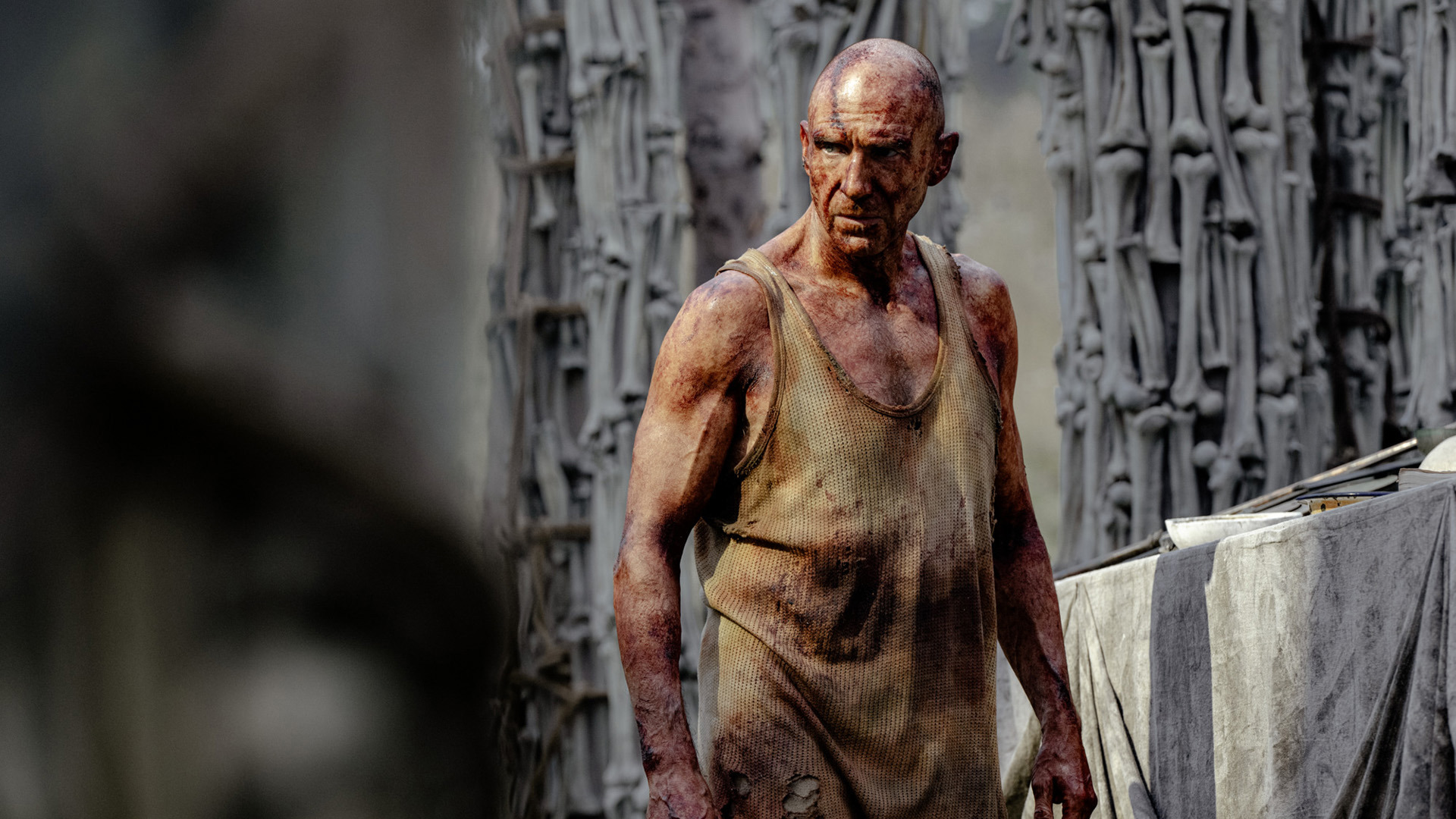
Best Apocalypse Movies
From nuclear wars to climate crises and zombie invasions, here are our favourite cinematic depictions of the end of the world.
Article
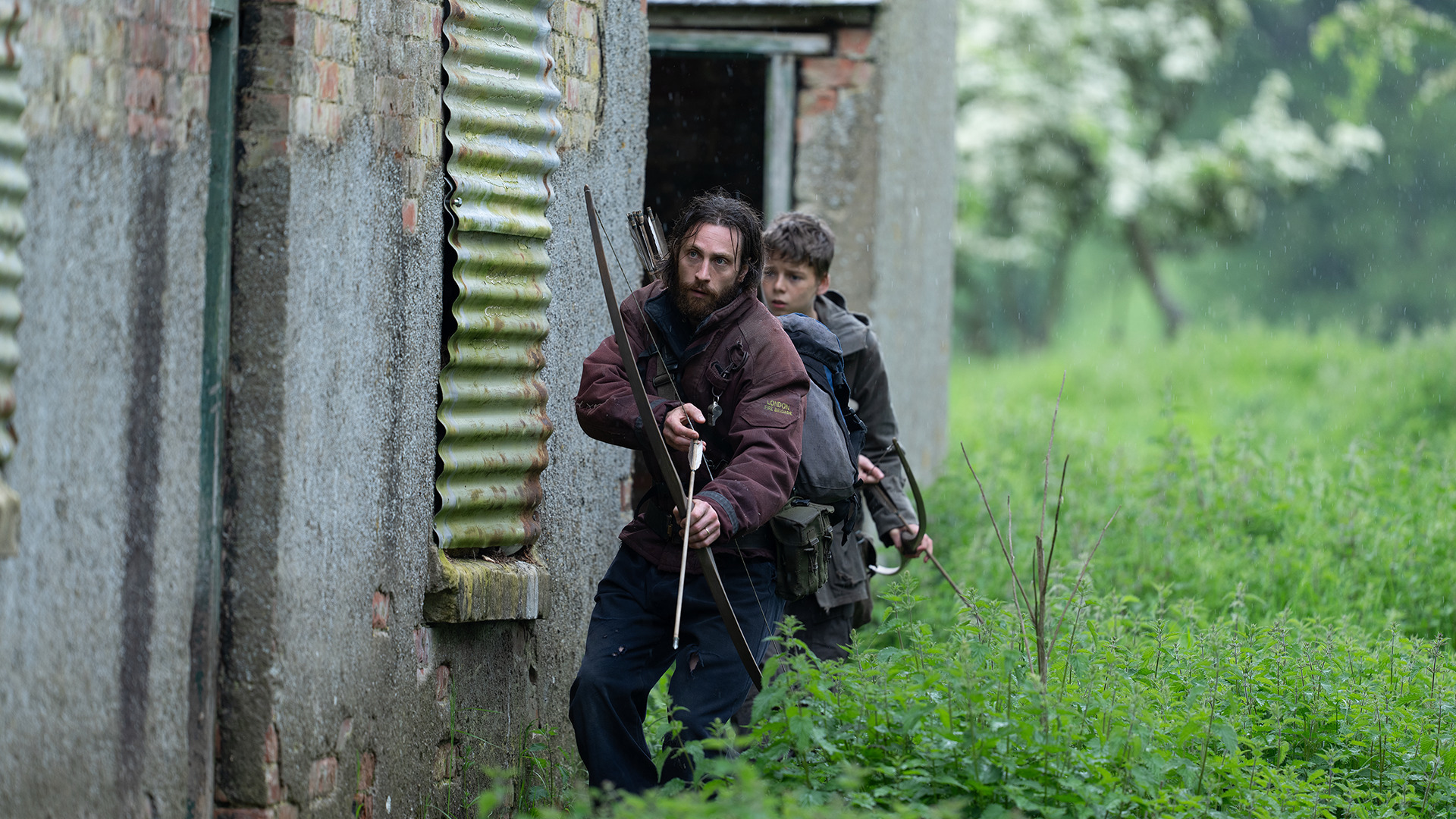
How 28 Years Later Created a Believable, Post-Apocalyptic World
Supervising location manager Camilla Stephenson scoured Britain and Ireland’s untrammelled countryside, and rewilding estates, to find suitable settings for this skin-crawling zombie horror. By Ian Haydn Smith
Article
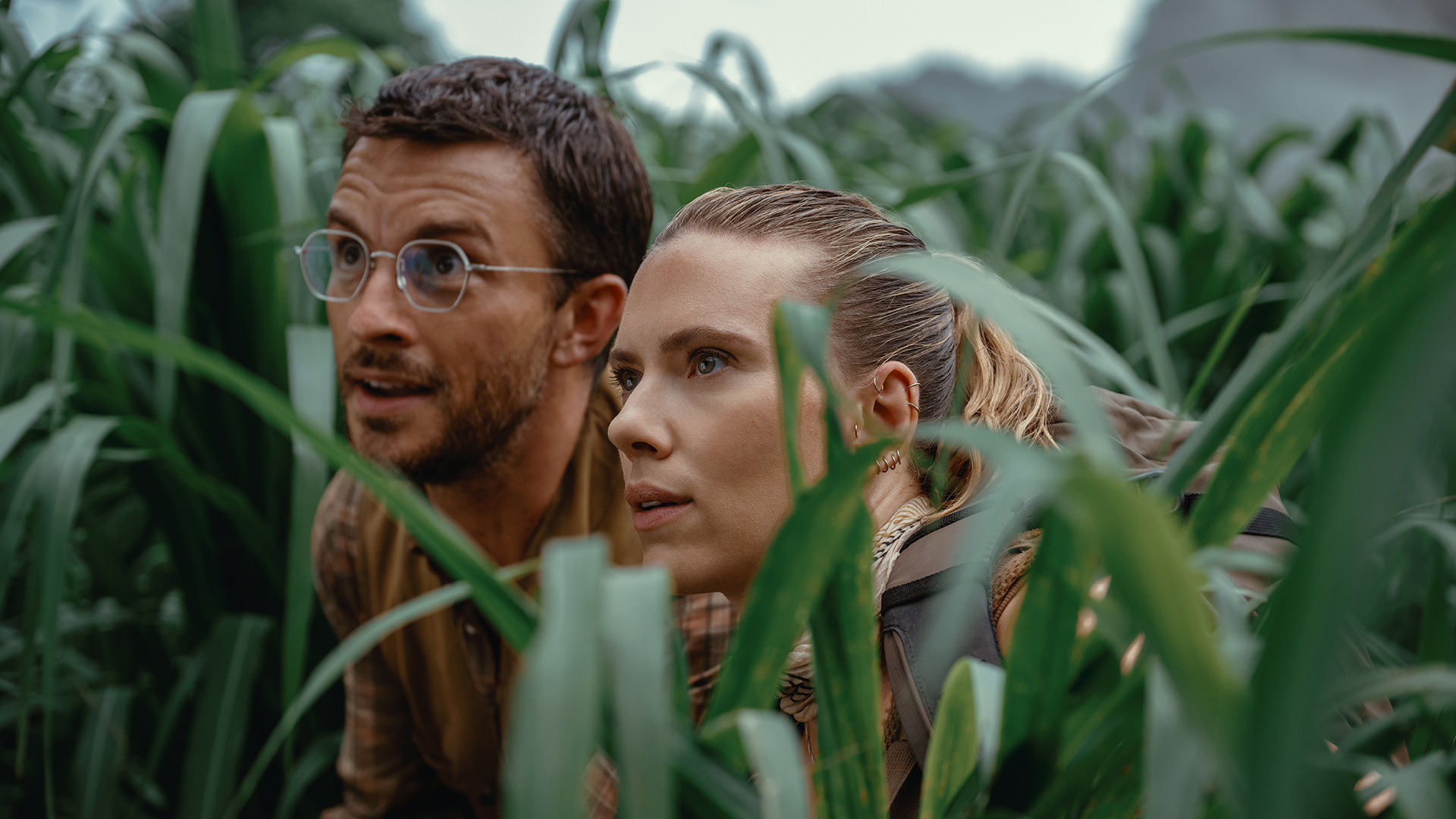
Jurassic Park’s Gothic Monsters
With its horrifying creatures, monomaniacal scientists and suspicion of technological progress, the blockbuster action franchise – and Jurassic World: Rebirth – owes a lot to Gothic storytelling traditions, writes Billie Walker.