
Are Ethan Hawke and Richard Linklater American Cinema’s Greatest Collaborators?
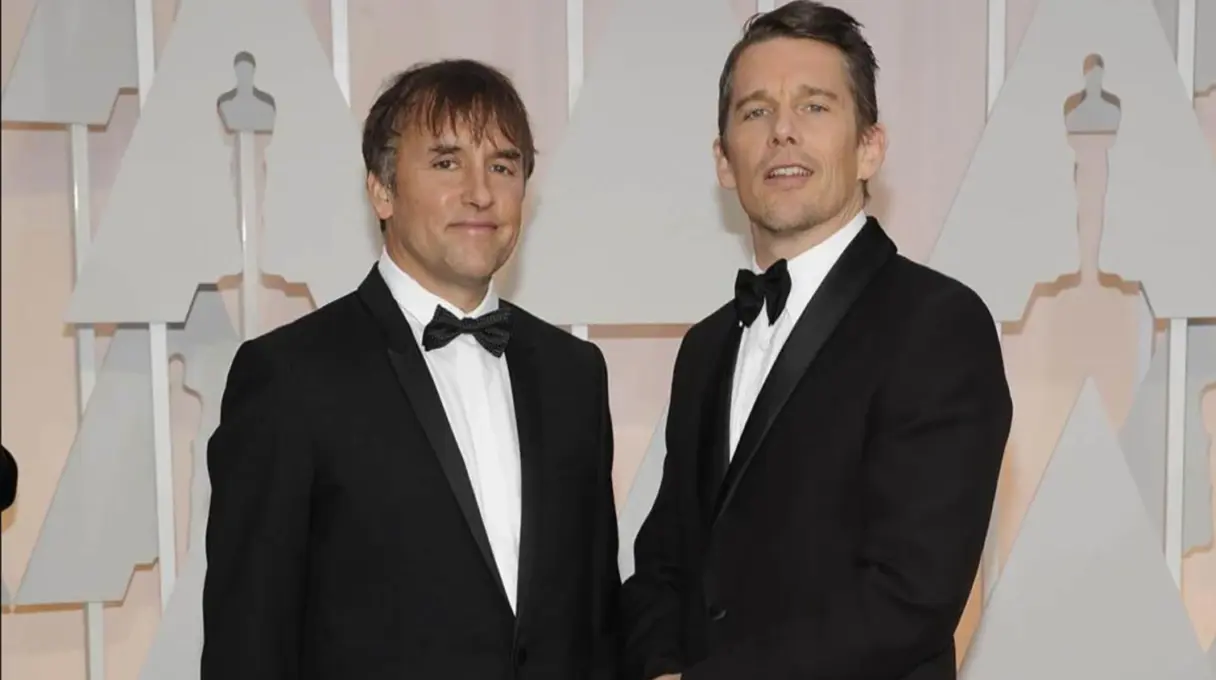

Across three decades, the actor-director duo have joined forces on wide-ranging projects that have pushed the boundaries of filmmaking, from the Before trilogy to Boyhood. Their latest team-up is, of all things, a break-up movie. By David Opie
Like the moon itself, Richard Linklater’s latest awards contender can be perceived as many things all at once. It’s a tribute to Lorenz Hart, the genius lyricist whose searing wordplay and vulgarity mesmerised as much as it repelled. It’s an ode to the creativity behind classic love songs such as ‘Blue Moon’ and ‘My Funny Valentine’ that Hart wrote before depression and alcoholism consumed him entirely. And it’s a love song to acting itself, not just Ethan Hawke’s transformative performance as Hart, but also the carefully constructed artifice the musician built around himself as armour, an armour that splintered with every drink until despair practically seeped out of the cracks. But first and foremost, Blue Moon is about a break-up.

Before Rodgers and Hammerstein changed the world, there was Rodgers and Hart, the songwriting duo who composed hundreds of tunes and more than two dozen stage musicals together in the early 20th century. But when Rodgers found further success with Oscar Hammerstein II, it pushed his first longtime professional partnership to the brink, and Hart never recovered. It’s funny that a break-up movie of the artistic variety would be built on the foundation of Hollywood’s most rewarding – and often overlooked – creative partnership.
Thirty years ago, Richard Linklater and Ethan Hawke worked together for the very first time on an indie drama named Before Sunrise (1995). Little did they know that this romance, between American backpacker Jesse (Hawke) and French cool girl Céline (Julie Delpy), would go on to have a huge impact on the careers of everyone involved – not to mention the people watching. What started off so small eventually bloomed into a trilogy unlike any other in cinema, and the same is also true of the connection Hawke and Linklater established beyond these films on six more projects.

Together, their partnership has spanned time and space via a Twenties bank heist in The Newton Boys (1998), the incendiary theatrics of one-roomer Tape (2001), a mockumentary satire in Fast Food Nation (2006) and a surreal rotoscope cameo in Waking Life (2001). Yet it’s in their Oscar-winning masterpiece Boyhood (2014) that time and space fold in on themselves entirely, condensing 12 years of piecemeal filming into the ultimate coming-of-age tale where Ellar Coltrane’s Mason literally grows up before our very eyes. So too does Hawke as a performer who undergoes his own evolution through playing the boy’s father, revisiting the role and his connection to Linklater intermittently from 2002 to 2013. The result is a singular work of art built on trust. But for Hawke especially, that trust has always been there.
Speaking to Backstage in 2013, Linklater recalls how in demand Hawke was when they first met on Before Sunrise. ‘I remember Ethan was getting offered every project in the industry for a young man… Willingly coming to Vienna to make a film that he knew had a small bull’s-eye that would be hard to pull off. I do have endless respect for that. To take that kind of risk at that point in your career for no money when you’re being offered big bucks for every movie.’

Going out on a limb like that requires a great deal of vulnerability, and it’s not as if Linklater is quick to shy away from a challenge either. It’s no wonder, then, that the pair found kindred spirits in one another, developing a mutual trust and respect that has organically evolved into one of cinema’s most unique and fruitful partnerships. Boyhood would have been impossible to make without this foundation in place, and the same is also true of Blue Moon, the development of which transcended time in its own way.
Me and Orson Welles (2008) screenwriter Robert Kaplow kick-started the project 12 years ago when he sent pages and pages of Lorenz Hart monologues to Linklater, who, in turn, shared them with Hawke. Every so often, they’d meet to workshop a script, with Kaplow making adjustments after each reading. The reason it took Blue Moon so long to start filming didn’t have so much to do with the script, however, as it did the partnership at its centre. ‘I think [Linklater] was waiting for me to get older,’ Hawke explained to Variety. ‘Most directors won’t wait for an actor for two weeks – they’ll just find someone else. But Rick waited over a decade. That says everything about who he is.’

Through the workshops, and just naturally ageing, Hawke was able to embody Hart at the end of his life, capturing not just every flourish and witticism, but also his contradictions as well. Here was a gay man who had fallen in love with a woman, a man who adored and hated his greatest creative partner, a loner who couldn’t stop talking yet never felt heard. Hart liked to think of himself as the life of the party, a livewire of quips and jabs, yet he was also depressed at his core, worn down by disappointment and self-hatred. Some old-school tricks physically complete Hawke’s transformation into Hart, knocking 10 inches off his height for one. But it’s in how he makes sense of these elusive contradictions where Hawke truly brings Hart to life on the precipice of death.
Hawke’s performance is transformative in a way that the Oscars love, completely unrecognisable from anything he’s achieved before – with Linklater or otherwise. And that was absolutely intentional. ‘We were kind of dismantling Ethan Hawke,’ Linklater told The Hollywood Reporter. ‘Ethan’s gestures and who he is kind of had to go away as much as possible.’ Gone was the slick, leading-man charm that Hawke’s so often known for, stripped entirely free of vanity.

‘[Linklater] knows every trick in my bag,’ added Hawke. ‘He didn’t want to see any of them. And that was challenging.’ It’s likely no other director understands Hawke’s process better than Linklater, and there’s an argument to be made that they’ve never been more in tune with one another than they are here in Blue Moon. Never mind them joking in multiple interviews that Hawke would have probably punched Linklater during the making of this film were the two not so close.
Still, that hasn’t stopped them from already planning their next film together. ‘There’s this thing we’re working on,’ Linklater told Variety in February. ‘It’s kind of a historical piece, a 19th-century thing.’ Whether that specific idea goes ahead or not, it’s obvious the pair still have a 10th collaboration in them, and hopefully more beyond that. But even if they did stop here, even if Blue Moon did somehow end up being their last film together, no creative break-up could ever diminish what Hawke and Linklater have created these past three decades. Few Hollywood duos have contributed as much as they have to American cinema, forging a legacy that will endure in ways the connection between Hart and Rodgers never could.
RELATED ARTICLES
Interview
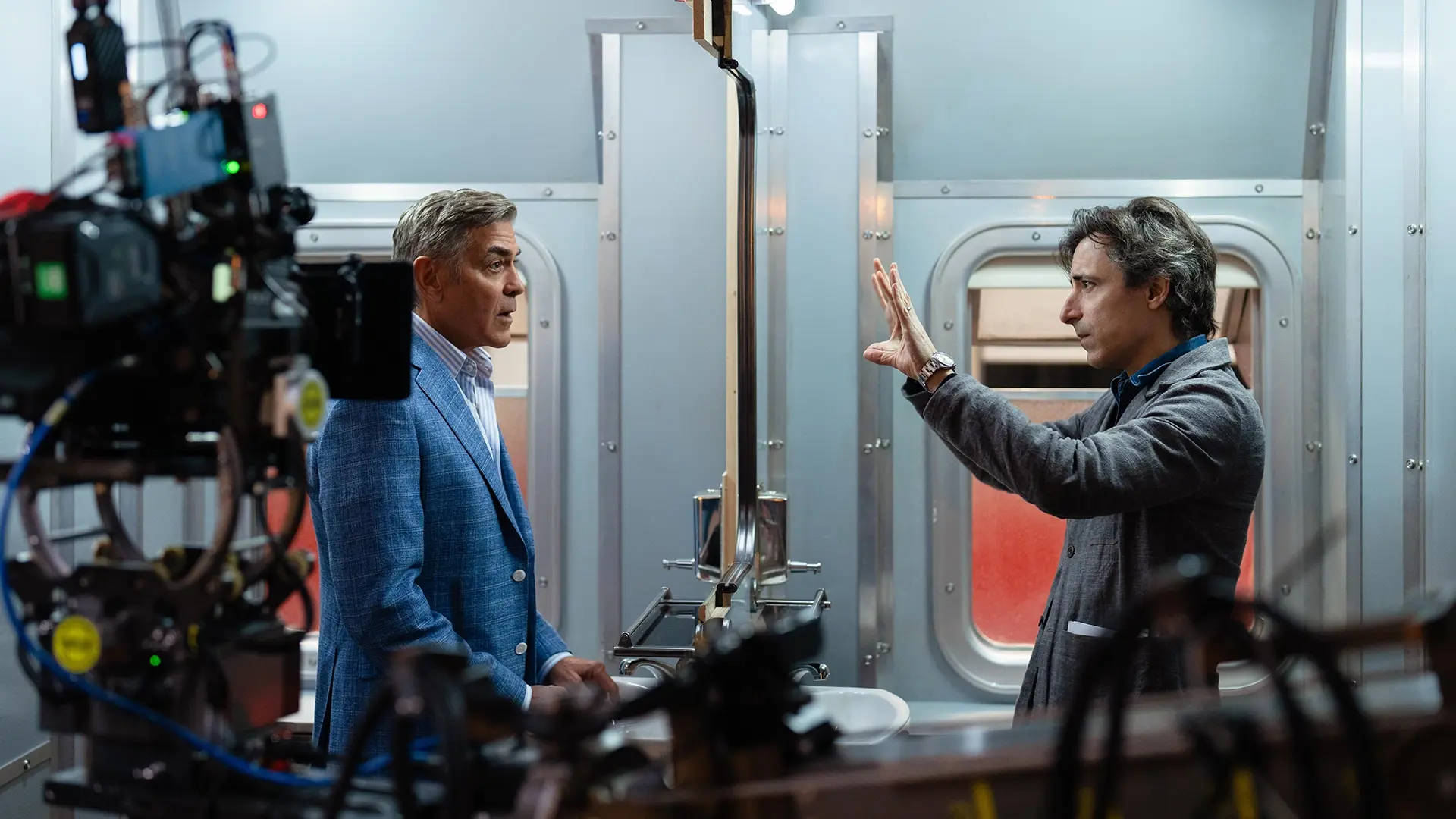
Noah Baumbach Finds His Soft Side with Jay Kelly
The Oscar-nominated writer-director talks to Yasmin Omar about identity crises, the death of the movie star and the true meaning of failure.
Review
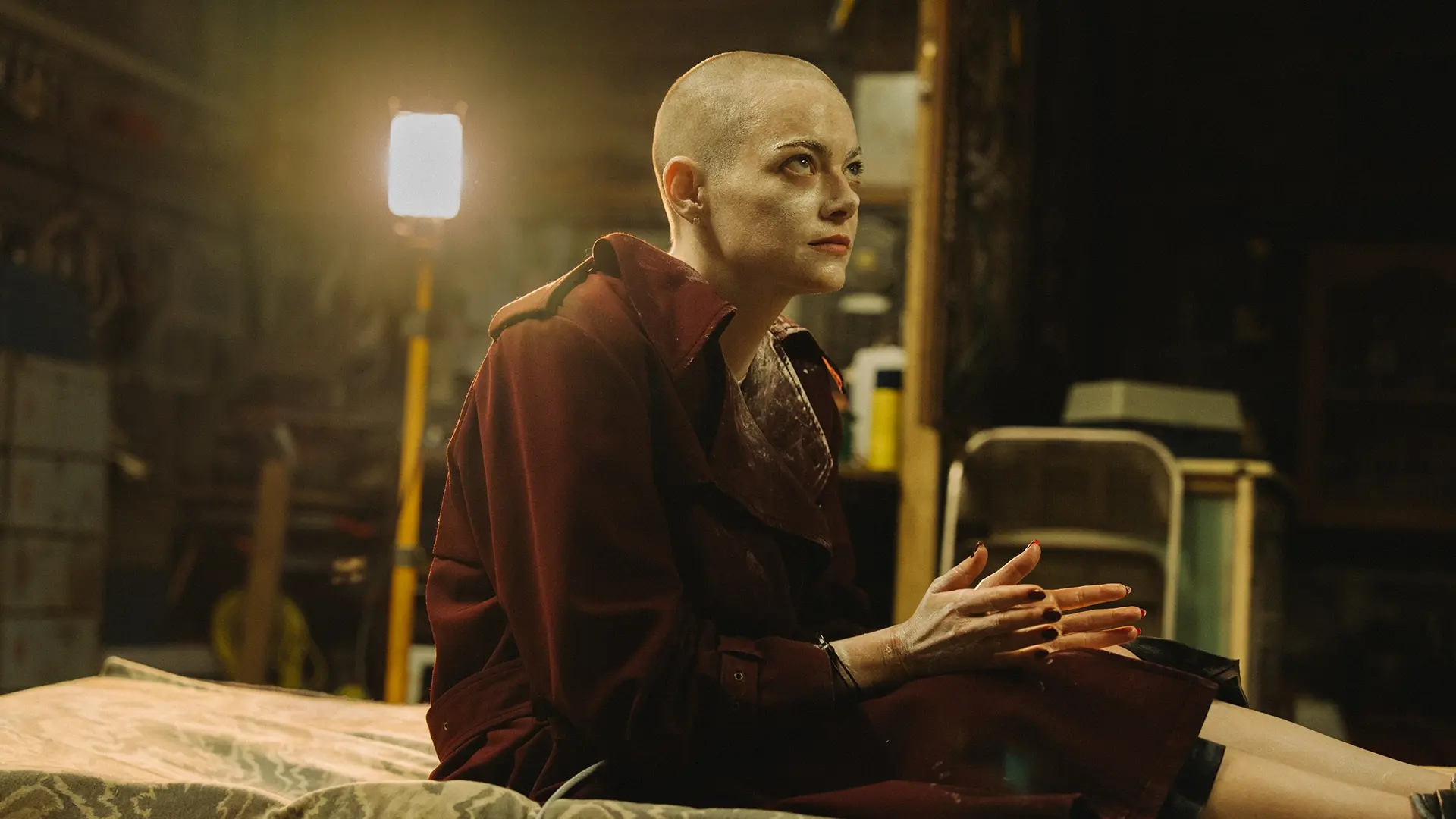
Bugonia Review: No One’s Doing it Like Emma Stone
Just when you thought she couldn’t possibly push herself any further, the up-for-anything actress throws herself into the role of a villainous, bald-headed girlboss in Yorgos Lanthimos’ kidnapping thriller.
Review
The Mastermind Review: Kelly Reichardt Deconstructs the Heist Movie
Rejecting genre convention, the would-be thriller rushes through the theft, then lingers on its consequences. It’s a satisfying, character-driven choice, writes Yasmin Omar.