
Complain All You Like, But ‘Fan’ Backlash is Over

Where studios took troll campaigns seriously in the 2010s – making changes to films to appease keyboard warriors – they’ve recently taken a stand against them. Resident Evil is just the latest example. By Alistair Ryder
If you were unfortunate enough to be on the internet earlier this summer, you definitely encountered the pre-release backlash to Christopher Nolan’s The Odyssey courtesy of the worst trolls on social media, amplified tenfold by their ringleader Elon Musk. It started as sadly predictable backlash to Lupita Nyong’o’s casting as Helen of Troy, grew into a mass delusion claiming Elliot Page had been cast as Achilles and went on to trigger the richest man in the world so much he repeatedly referred to Nolan as an ‘anti-white racist’. He even threatened that his Grok AI would have a ‘historically accurate’ adaptation of Homer’s epic poem ready by December, which we suspect is as likely to see the light of day as his 2011 claim that he could put a man on Mars in the next 10 years.
WATCH RESIDENT EVIL IN CINEMAS
Book TicketsSome worried that the negative reaction to the trailers would have an impact on the box office, as it wouldn’t be the first time a co-ordinated campaign stopped a seemingly bulletproof blockbuster in its tracks. Thankfully, the rest was history, and after a strong opening, it became Nolan’s biggest box-office hit in the space of a few weeks, with overwhelmingly positive audience word-of-mouth.
There was some brief moving of goalposts by trolls that went viral on Reddit and Musk’s platform – manipulating the figures to make it look like a financial disaster, or claiming that screenings were actually empty, knowing none of their echo chamber would have bought a ticket to disprove this – but this died down almost immediately after opening weekend, when it was clear that the moviegoing public wouldn’t be convinced.

Regardless of what you thought of The Odyssey, this was a sweet victory for every true film fan: a glimpse of a bright future where studios and creatives don’t give backwards smear campaigns the time of day, and they fail to gain any real-world traction as a result. It was similar to the reception that greeted Ryan Coogler’s first Black Panther (2018) nearly a decade ago, where the overwhelming love from the public led many far-right commentators to change their tune and declare it shared their ‘ethno-nationalist’ vision all along.
However, that was an exception, surrounded by inexplicably controversial blockbusters like Star Wars: The Last Jedi (2017) and the 2016's female-fronted Ghostbusters, which led producers back to the drawing board to try and appease the angry, terminally online fans, with diminishing box-office returns when they did produce the exact kind of movie the trolls had been asking for.

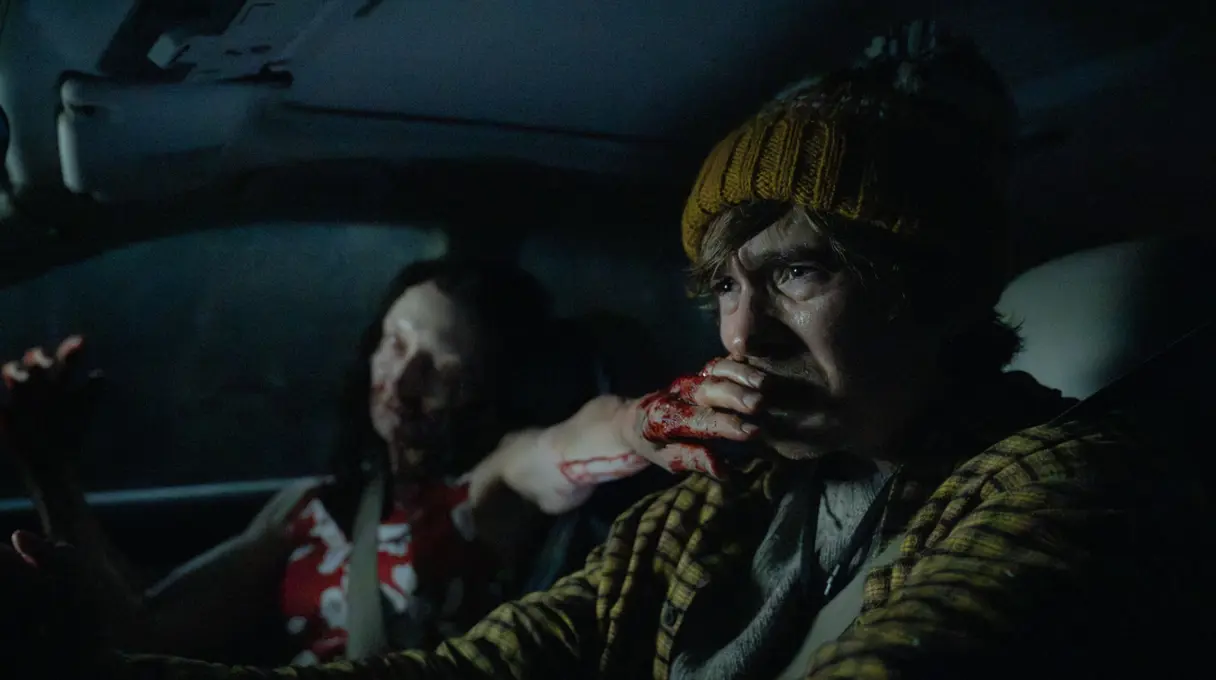
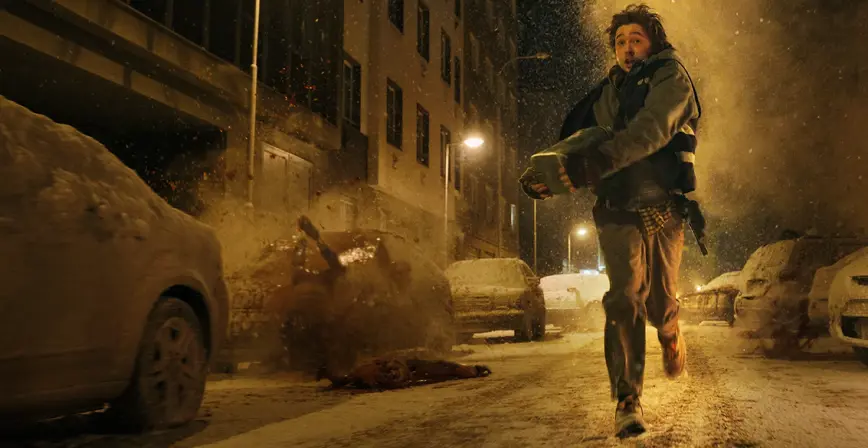
It was quickly forgotten that The Last Jedi got an A+ Cinemascore, and satisfied the vast majority of fans on opening weekend, because the cultural conversation was allowed to be shifted in the trolls’ chosen direction. Producers made the fatal error of thinking that the keyboard warriors could ever have valuable creative insight, and instead of disregarding the anti-woke backlash, ensured several more years of conservative crusades against the biggest blockbuster franchises. Nolan appears to have put this to bed for good, but the first true test of whether this era is truly over is incoming with Zach Cregger’s Resident Evil, the Weapons director’s very loose adaptation of the beloved survival-horror video-game series.

Cregger has been upfront about his decision not to include any fan-favourite characters from the games, and that his story exists ‘on the periphery’ of Resident Evil 2 (2019), albeit on a completely different timeline. He’s compared it to 1987’s Evil Dead II, with the movie promising to be 93 minutes of balls-to-the-wall madness, which should get any horror enthusiast’s tongue wagging.
For fans of the franchise, however, this left-field approach has been treated as sacrilegious, especially his quote that ‘this is a story that I would’ve wanted to write whether I got the IP or not’ – in other words, an entirely original story he’s reworked so it can be released under a more familiar brand name. The YouTube comments section below each trailer is up in arms because we’re not getting the Leon Kennedy movie users have been hankering for. Many film fans who posted positively about the trailer were met with non-PC insults by gamers (which, naturally, you couldn’t report as hate speech on Musk’s platform), and absolutely none of this is going to matter once audiences see the movie.

If a movie flies or fails, it won’t be because of the concerted campaigns against it from various online echo chambers, and Cregger’s indifference to that discourse is the exact level of respect such boring backlash should be paid. Looking further to the future, other filmmakers and studios are already following suit, ignoring any commentary that questions or asks them to compromise their vision. Take the reaction to the Shrek 5 trailer earlier this summer, which debuted a brand-new, more expressive art style for the franchise in comparison to the Noughties originals.

To this writer’s eyes, it was an obvious case of CGI animation having grown in sophistication in the 16 years since we last visited the grumpy ogre, allowing for more expressive, cartoonish visuals than before, when photorealism was the goal and anything too stylised couldn’t be achieved due to technical limitations.
To others, it was an uncanny-valley nightmare akin to the ‘ugly Sonic’ redesign, which was scrapped and reworked due to fan backlash. But the Shrek filmmakers have stood their ground, not offering a response to this controversy or signalling any change in their visual approach before next summer’s release. Because why would they create a carbon copy of 2001 visuals, when the medium has been pushed forward so significantly in the quarter-century since?

We’re all guilty of critiquing movies before they’re released, but even the most cynical of cinephiles will have to agree that filmmakers ignoring the chorus of dissenters who haven’t yet seen their movie – or are actively trolling it before release – can only be a good thing. Some of the weakest blockbusters of the last decade were the result of trying to cater to the demands of these eternally miserable ‘fans’, and it’s now proven that the general public weren’t even listening to their whining ‘anti-woke’ commentary to begin with. It’s time the rest of us film fans do the same.
WATCH RESIDENT EVIL IN CINEMAS
RELATED ARTICLES
Article
Why Are So Many Sketch Comedians Making Horror Films Now?
From Jordan Peele to Zach Cregger and Ari Aster, a growing number of sketch comedians are pivoting to horror. As Curry Barker follows suit with Obsession, Alistair Ryder explores the trend.
Article
How Christopher Nolan Became a Brand
As the director follows up his Oscar-winning Oppenheimer with The Odyssey, Matt Maytum considers how the filmmaker achieved his status as a singular visionary who shoots on celluloid, favours practical effects and makes event movies out of the unlikeliest of subjects.
Article
Spoilers are the Real Big Bad of the Marvel Cinematic Universe
After the Spider-Man team-up rumours that dogged No Way Home, Marvel has been very tight-lipped about the web-slinger’s latest adventure Brand New Day. David Opie welcomes the secrecy, and argues that cryptic trailers and character obfuscation only build intrigue.