
Why Are So Many Sketch Comedians Making Horror Films Now?
From Jordan Peele to Zach Cregger and Ari Aster, a growing number of sketch comedians are pivoting to horror. As Curry Barker follows suit with Obsession, Alistair Ryder explores the trend.
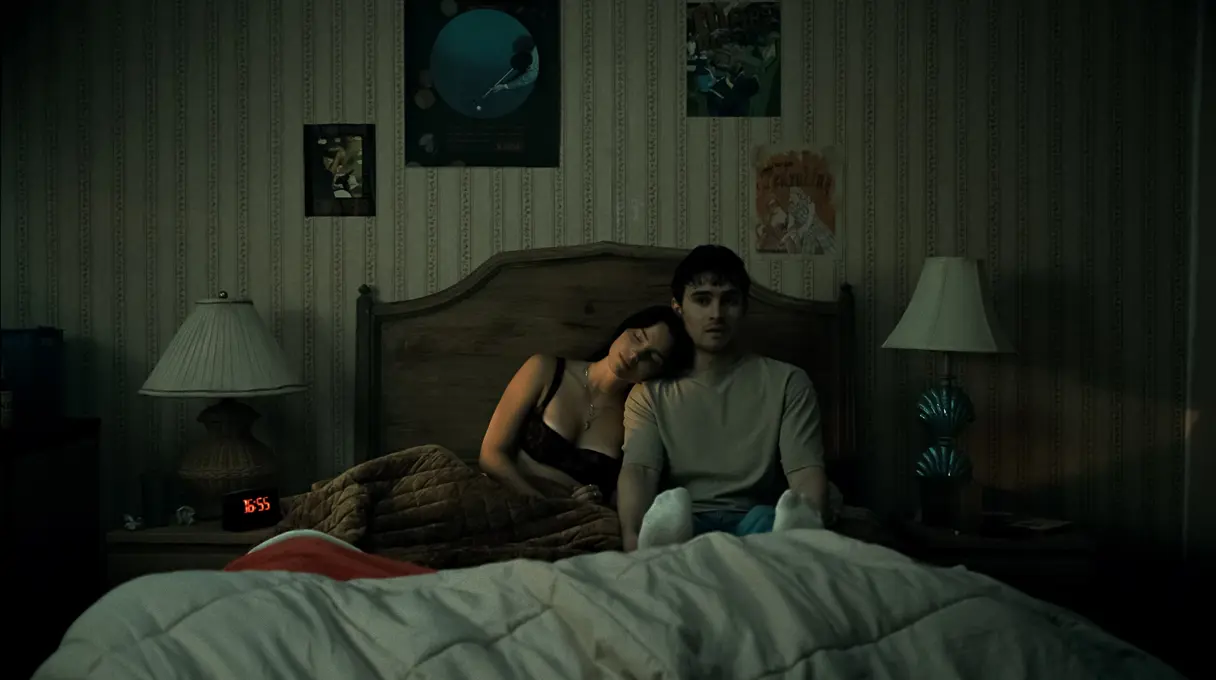
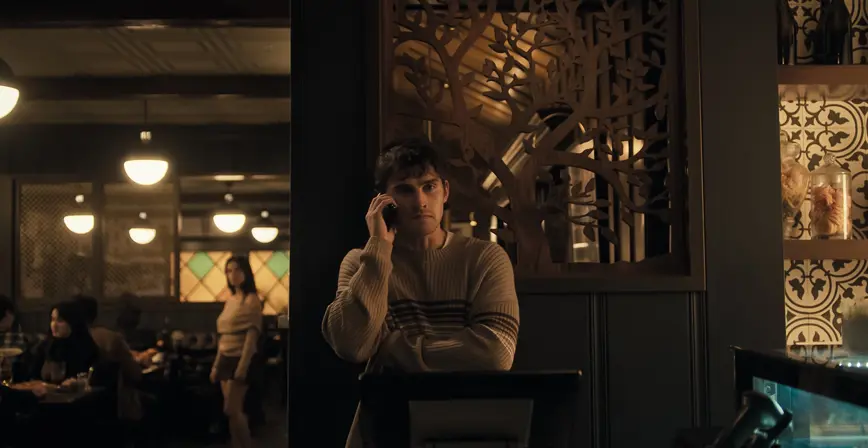
There isn’t a lot to laugh about in Obsession. The dark supernatural horror charts the fallout from a young man wishing on a magical stick for his co-worker to reciprocate his romantic feelings but, due to imprecise wording, effectively forces her into a co-dependent relationship neither can escape from. It’s a bleak, nihilistic movie with subtle commentary on toxic masculinity and the misogyny inherent in the Manic Pixie Dream Girl movie trope. Obsession was also inspired by an episode of The Simpsons that writer-director Curry Barker only wound up revisiting by accident, as it was airing on TV directly before an episode of It’s Always Sunny in Philadelphia he guest-starred in.
WATCH OBSESSION IN CINEMAS
Book TicketsBarker is the latest first-time horror filmmaker to be making waves in the genre after starting out as a comedian. His comedy roots are still evident in his work, even as it’s grown darker. Alongside his friend Cooper Tomlinson, he made shorts for the YouTube sketch-comedy channel That’s A Bad Idea, culminating in their 2024 magnum opus Milk & Serial. The 62-minute found-footage tale of an escalating prank war between two Logan Paul-style vloggers became a viral sensation, and attracted mainstream critical attention: The Guardian compared it favourably to 1999’s The Blair Witch Project.
Despite the reveal that one of its two sociopathic pranksters was a secret serial killer, the film maintained the spirit of black comedy more so than the horror it was being likened to. Hilarious and horrifying, Milk & Serial blurred the line between genres, thriving at both ends of its tonal spectrum. It wasn’t Barker’s debut horror experiment – his supernatural 2022 short The Chair played a lot straighter – but it was the first where you could see him taking equal inspiration from Jordan Peele’s background as a sketch comedian and a horror director. Naturally, this is why it struck a chord as comedians have grown to dominate the horror genre.

In interviews, Barker has said that obsessively rewatching Key & Peele (2012-2015) – the Comedy Central sketch show Peele made with Keegan-Michael Key – is the ‘reason why I’m funny’, and that he had tried to replicate the network production value of their show on a shoestring for each YouTube skit.
Barker closely studied Peele’s script for Get Out (2017) when writing Obsession, fascinated with how the director ‘changed the boundaries of what a horror movie could be’ as he moved further away from the genre that made him a household name without abandoning it altogether. Peele’s unexpectedly successful transition from comic actor to Oscar-winning horror filmmaker is the obvious blueprint for a new generation of budding directors cutting their teeth on silly homemade shorts, aspiring to make something that’ll be taken more seriously.

Consider Aussie twins Danny and Michael Philippou. Those human golden retrievers started their directorial careers as tweens filming WWE-style wrestling matches with their mates, eventually graduating to making slightly more respectable scripted skits with titles like Ronald McDonald vs Cookie Monster (2017). You’d be forgiven for not realising they were also responsible for directing the distressing possession films Talk to Me (2022) and Bring Her Back (2025).
Also in the early 2010s, a young American filmmaker wrote, directed and starred in a lowbrow infomercial parody for a device called ‘Tino’s Dick Fart’, which does exactly what it says on the tin. A few years later, that short’s director, Ari Aster, would be hailed by Martin Scorsese as one of the most exciting voices in modern cinema thanks to his breakout horror movies Hereditary (2018) and Midsommar (2019).

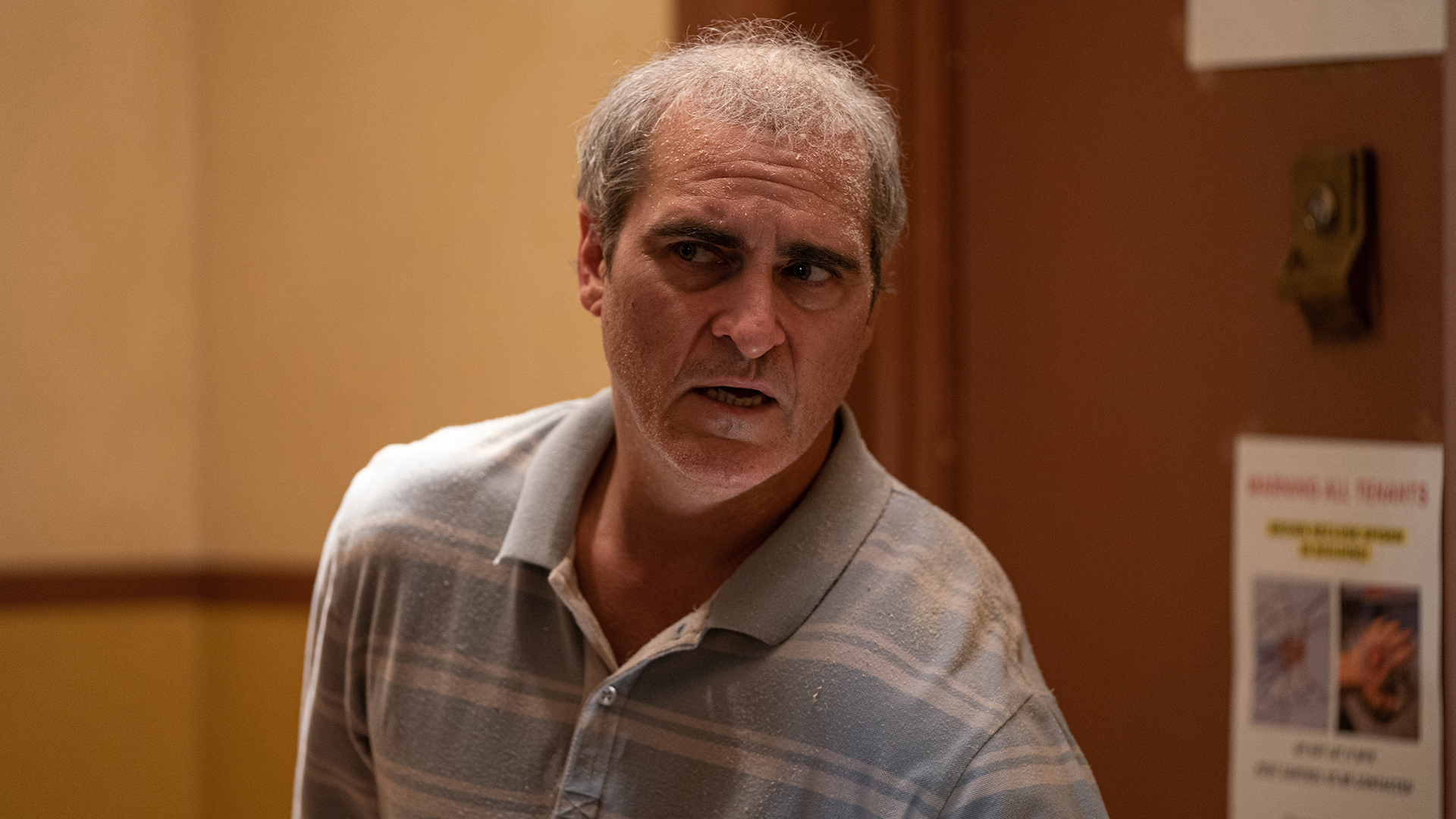
Of these filmmakers, Aster’s career trajectory is the most intriguing as it’s the only one to have gone full circle. In 2023, Aster returned to the uncomfortably surreal comedy of his earliest filmmaking experiments with his three-hour epic Beau is Afraid, which started out as one of those early shorts. Both incarnations of the story drew comparisons to the hallucinatory nightmares you’d often find on American Cartoon Network’s late-night Adult Swim programming.
From the early 2000s onwards, this post-watershed segment dedicated to reruns of adult animation gradually started commissioning original programming with a distinct house style. These were mostly dark comedies that were equal parts uncomfortable and unsettling, where absurdist sketch shows (like those from double act Tim Heidecker and Eric Wareheim), and parodies of specific TV genres (such as the daytime-soap-opera riff Children’s Hospital [2008-2016]) would house many unsuspecting horrors.

By the mid 2010s, the network had accrued enough cachet to start airing infomercial parodies that would slip unobtrusively into the commercial breaks themselves, all but daring their insomniac viewers not to change the station as these provocative spoofs increasingly leaned into outright horror. Moreover, some of the network’s biggest alt-comedy stars would dip their toes further into the genre, most notably with Tim and Eric creating horror anthology series Bedtime Stories (2013), their distinct take on The Twilight Zone.
With Adult Swim shows rarely exceeding 11 minutes in length, to any young comedy nerd at home watching, the horror shorts would have the same sketch-like function as the comedies they were programmed alongside, the two genres likely indistinguishable due to the very specific tone fostered by its network’s most prized creators.
During the 2010s, you can see this sensibility creep into more accessible TV comedy like Key & Peele’s genre-riffing skits (Peele would even cast Heidecker in a key supporting role in his 2019 sophomore effort Us), or the multiple oddball detours of Donald Glover’s Emmy-winning Atlanta (2016-2022). Many of the most acclaimed comedies were taking their cues from horror, and a new wave of indie filmmakers were given a blueprint of how to chart the path from lowbrow laughs into more respectable projects.

You can see this trajectory with Zach Cregger, a founding member of the comedy troupe The Whitest Kids U Know, whose first foray into Hollywood was one of the worst reviewed films of the 2000s. He reintroduced himself as a director with 2022’s Barbarian, which was initially a writing experiment to see how many red flags his heroine could ignore from the creepy co-lead – only to take a major left turn and become a body-horror satire of men in the Me Too age, close in spirit to his early work but with more blood, guts and unnerving tension.
His follow-up, Weapons (2025), was played far straighter, but had a comic outlandishness missing from the past decade of ‘elevated horror’. It features, for example, an entire subplot where a homeless addict (played by Austin Abrams) stumbles into the supernatural mystery due to his slapstick attempt at robbing a house, as well as throwaway visual gags like the seven hot dogs school principal Marcus (Benedict Wong) plans to eat on a lazy afternoon (which, it turned out, was Cregger’s deliberate nod to one of his late collaborators).

Then there’s Amy Madigan’s Aunt Gladys, whose outlandish, smudged-lipstick style and awkward approach to social interaction would have felt right at home in a Tim & Eric sketch. Like Barbarian, it’s a frequently hilarious movie, but the genre has transformed so much since Peele’s rise that it wasn’t viewed as a ‘horror-comedy’ by critics or audiences: it was seen as a real horror movie. The lines between the genres have completely blurred since the success of Get Out, and a filmmaker with comic instincts like Cregger has proven he can be taken seriously within horror without sacrificing his funny bone.

Cregger is next taking on Resident Evil, while Barker will be helming a Texas Chainsaw reboot for A24, both of which will determine just how much the genre can continue to evolve in the hands of funny people; die-hard fans of these franchises won’t take well to filmmakers who don’t treat their favourites with the utmost seriousness. You can already see discontent brewing in the comment sections on the Resident Evil teaser trailer.
For the rest of us, burnt out by several years of prestige horror recycling themes of trauma, the genre will feel a lot healthier in the hands of comedians. They may have used the horror genre to be taken seriously to begin with, but the balance of scares and laughs in their work shows they never needed to play things deadly straight to get respect.
WATCH OBSESSION IN CINEMAS
RELATED ARTICLES
Article
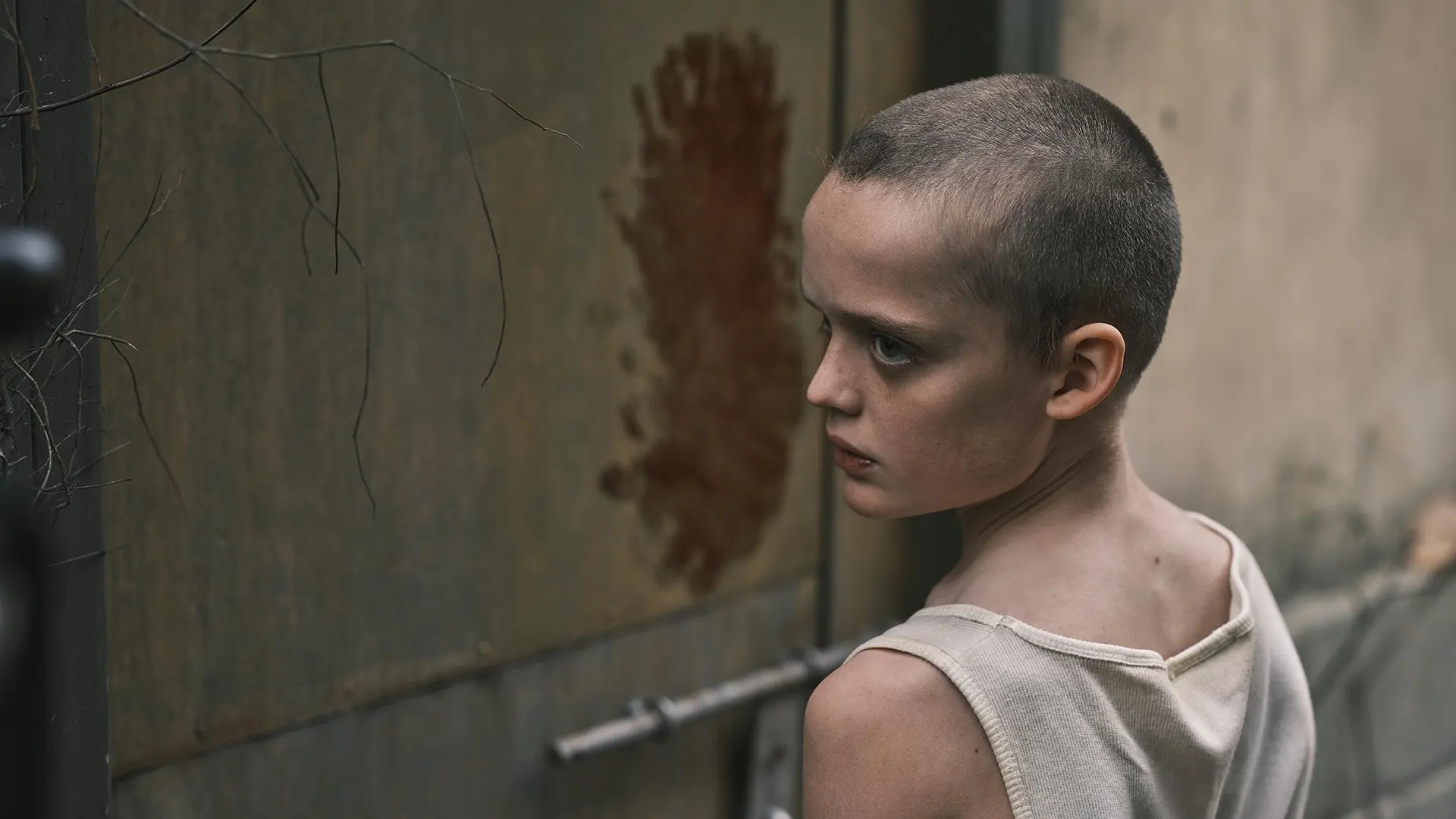
Horror Movies Insist Orphans Are Evil – Bring Her Back Disagrees
The Philippou brothers’ latest film subverts the tired genre trope that parentless children are sinister interlopers and master manipulators seeking to destroy their adopted families, writes Miriam Balanescu.
Article
Ari Aster’s Fascination with Conspiracies
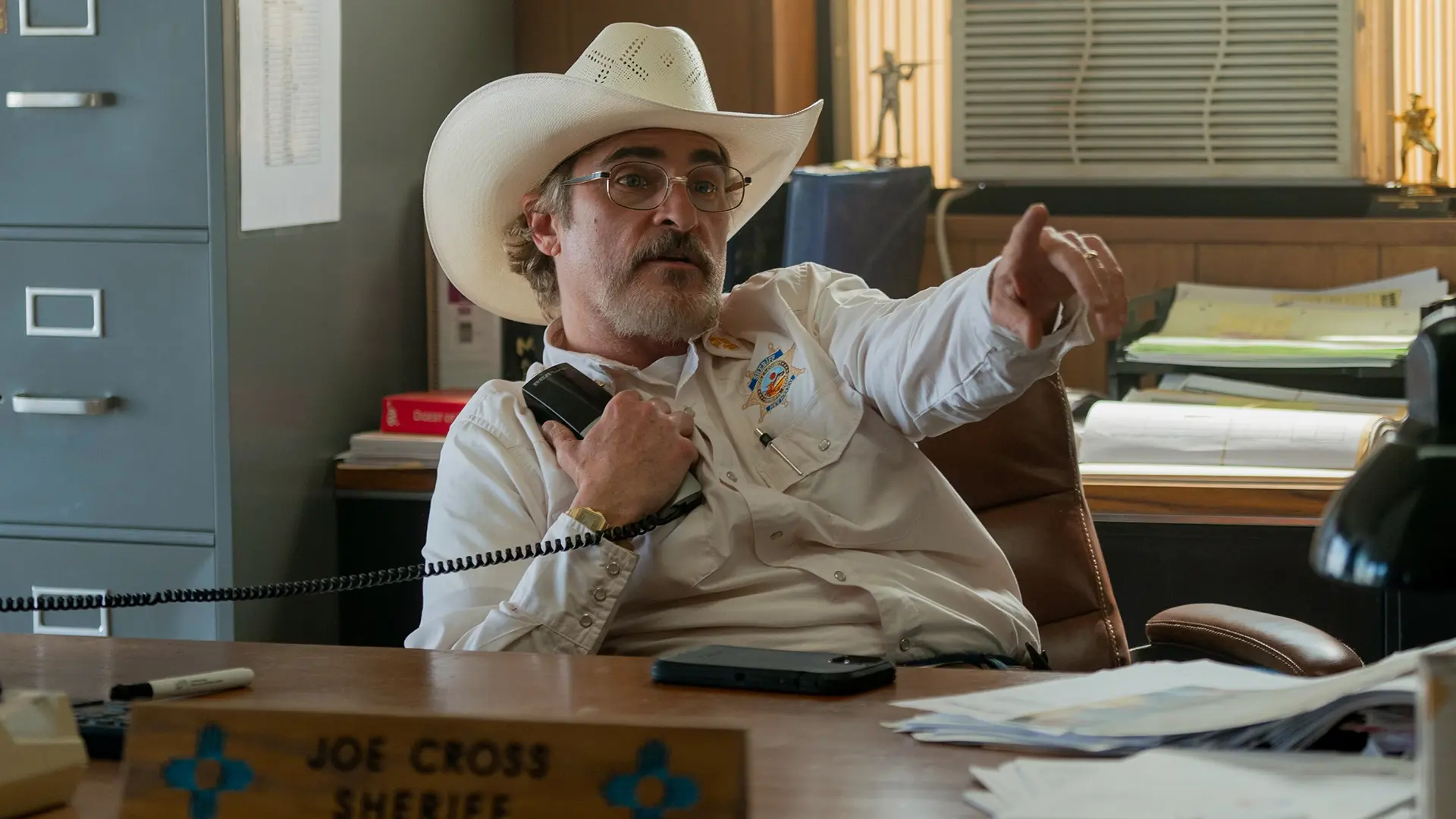
A constant in the horror auteur’s work is manipulative characters shaping the reality of their vulnerable targets, and Eddington – with its Covid deniers – is no exception. Here, Billie Walker examines the cunning conspirators in each of Aster’s films.
Article