
How Marvel Defied Superhero Fatigue
A lot of planning goes into the comic-book studio’s multipart, multimedia storytelling – but changes can be made if things go awry. Avengers: Doomsday, which now has a new title and villain, is just the latest example of this, writes David Opie.
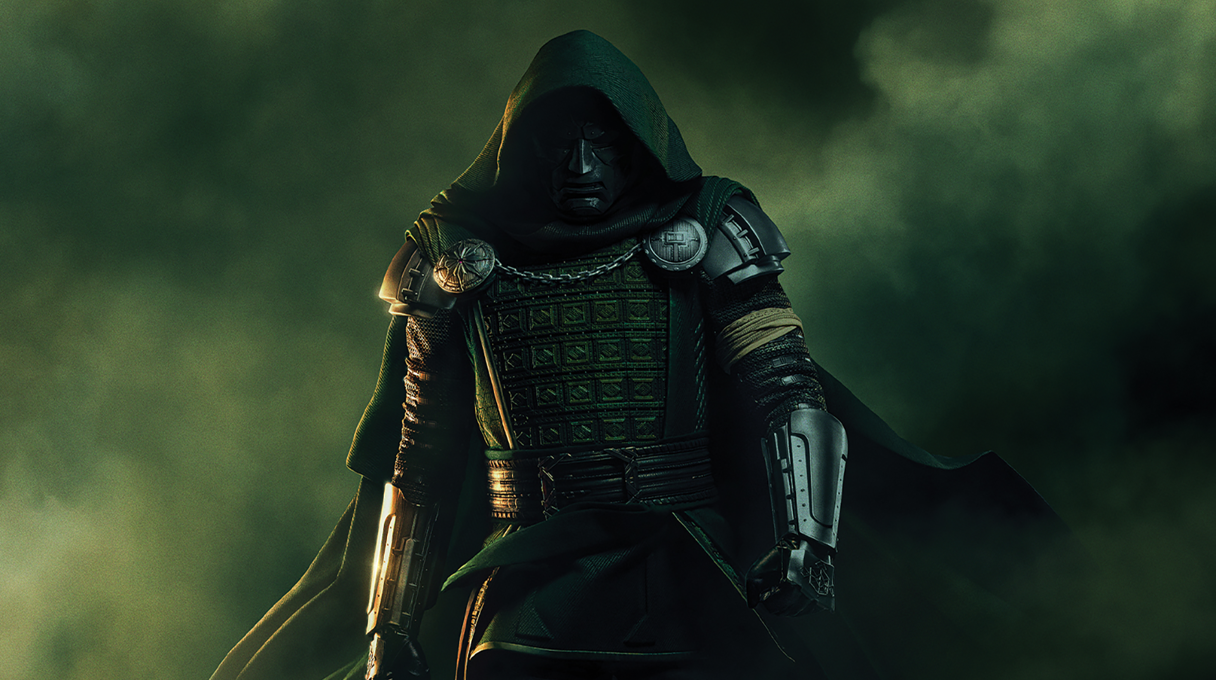
Love it or hate it, the Marvel Cinematic Universe is an impressive construct. Not only does it emulate the immersive world of comic-book storytelling like never before on screen, it’s also remained narratively consistent across 38 films and 18 TV shows. There’s a clear throughline from the project’s first entry, 2008’s Iron Man, to Avengers: Doomsday. In the latest adventure, superhero teams will fight a villain wearing the same face as the man who started it all.
Seeing Robert Downey Jr return as Doctor Doom, attacking the group he helped found, is a full-circle moment of sorts, almost as if it was planned from the start. Except, this evolution of an entire cinematic universe hasn’t been quite as smooth as that might sound. And honestly, how could it? Planning a standalone film is already a staggering achievement, let alone dozens that all intersect over 20 years.
WATCH AVENGERS: DOOMSDAY IN CINEMAS
Book TicketsA unified vision was vital to making the MCU work, but there have been times where Marvel Studios came dangerously close to losing that direction – and its audience too. Phase Four (2021-2022) proved particularly trying for the once untouchable studio that found itself suddenly confronted by ‘superhero fatigue’, the surging notion that audiences had grown tired of comic-book movies. It’s only through sudden course correction, by sharply pivoting in ways that might look seamless, that the MCU has managed to continue, and thrive, for as long as it has.
The most striking example of Marvel’s ability to swerve when necessary also happens to be the most recent. Audiences who don’t keep up with industry news might not realise that Avengers: Doomsday was originally supposed to be called The Kang Dynasty. The plan was for Jonathan Majors to star as the lead villain Kang following his appearances in Loki (2021-2023) and Ant-Man and the Wasp: Quantumania (2023). He would essentially become the new Thanos, taking over as Marvel’s chief Big Bad.

This time-travelling megalomaniac has been around in the comics for decades, but the MCU’s Kang lasted for less than a year. Majors was fired in December 2023, shortly after misdemeanor assault and harassment charges were brought against him in court. Standing at this crossroads, the bigwigs at Marvel could have simply recast Kang, replacing the version we met with a new multiversal variant. Instead, they took a far more drastic turn, replacing the character entirely with Doctor Doom, a Marvel Comics mainstay who previously fought the Fantastic Four on page and screen.
Soon after, breadcrumbs for the arrival of Downey’s villain began to appear just as they had for Thanos, sprinkled into post-credit scenes ahead of Doomsday in last year’s The Fantastic Four: First Steps and this summer’s Spider-Man: Brand New Day. By doing so, Marvel strove to make this transition appear effortless, retooling The Kang Dynasty into Avengers: Doomsday as if that was the plan all along.

Actually, it turns out that this was the plan all along, or at least had been for quite some time, if recent comments from Marvel Studios president Kevin Feige are to be believed. Speaking with Empire, Feige claimed Marvel already decided to pivot from Kang as far back as 2023 following the character’s big-screen debut in the third Ant-Man film. ‘Quantumania was not received the way we would have liked,’ he said. ‘We were changing [The Kang Dynasty] even at that point. It would still have been called The Kang Dynasty, but it would have been a set-up for Doom, midway through that movie.’
While Feige admitted that Majors’ convictions ‘certainly accelerated some things’, many fans aren’t quite convinced, even though the follow-up Avengers film, Secret Wars, heavily featured Doom in the comics. Whether this was a hasty course correction – bringing Downey in to soften the blow – or whether it’s a streamlined version of a plan that was already in motion doesn’t really matter. Introducing Doom like this has absolutely worked in Marvel’s favour if the already impressive ticket sales are anything to go by.

Big or small, such adjustments are par for the course for Marvel. Take Asgardian characters Thor and Loki, who were quite different in Phase One. Dost thou recall their Shakespearean speech? Such grandiose vernacular went by the wayside after Thor: The Dark World (2013) wasn’t received particularly well, prompting Taika Waititi’s reinvention of these characters for 2017 sequel Ragnarok. Thor’s first movie was also retconned later when the Infinity Gauntlet it introduced was explained away as a fake to fix the plot hole this Easter egg made.
These kinds of changes are often made with the fans in mind, such as the arrival of the ‘real’ Mandarin villain after a fakeout in Iron Man 3 (2013) angered audiences who wanted better for the popular antagonist. While this does risk creating inconsistencies, each alteration also proves a willingness to evolve and change on Marvel’s part. The studio seeks to tell the best story it can while improving on what didn’t work.

That’s also true for wider overhauls Marvel has implemented beyond individual heroes and villains. Realising that its Daredevil: Born Again (2025–) TV reboot strayed too far from the grit of the original Netflix series, for example, Marvel scrapped several episodes and replaced key creative personnel in a bid to salvage what they deemed to be unsuccessful ahead of release.
Marvel’s Inhumans (2017) fared even worse. The original plan was for these characters to take on the role that the X-Men couldn’t fulfil back when Marvel Studios didn’t own the rights. A planned film was cancelled, however, following disastrous reviews of season one, and Marvel eventually pivoted back to the X-Men, holding out longer for those rights to be secured.

A willingness to admit when things aren’t working goes a long way, even if you’re a gazillion-dollar studio like Marvel. It’s a far cry from DC Studios, its nearest rival, which is about to embark on its second universe reboot in less than five years after Skydance recently replaced co-CEOs James Gunn and Peter Safran with former Marvel producer Jeremy Latcham.
The ‘distinguished competition’, as Marvel icon Stan Lee jokingly named it, has now undergone three iterations since the MCU began, rebooting over and over rather than trying to weather the storm. It’s not like DC hasn’t enjoyed its fair share of success: Aquaman grossed over a billion dollars in 2018. The difference is that the MCU held fast, even through the rough patches. Such fluidity has long been intrinsic to the comic-book worlds that both studios draw inspiration from, but Marvel prefers to steer the course, evolving and adapting with actors and characters who stick around long term.

It’s this responsiveness and flexibility that enabled Marvel to overcome the problems of Phase Four, where a deluge of Disney+ shows threatened to dilute the brand, exacerbating superhero fatigue for fans who complained watching the MCU started to feel like homework. Rather than abandon everything, the studio refocused, as it did a couple of years later when it became clear that the original plan for Kang would no longer be viable.
At a time when simply releasing a superhero film no longer guarantees success in the billions, being open to switching things up – without forgetting where that success first came from – is why Marvel’s cinematic universe is on track to continue for another two decades. Like Iron Man improvising his suit in that cave or Doom thinking outside the box with multiversal strategising, the MCU works so smoothly because each moving part can be changed without destabilising, or demolishing, the whole thing.
WATCH AVENGERS: DOOMSDAY IN CINEMAS
RELATED ARTICLES
Article
How to Create a Superhero Universe
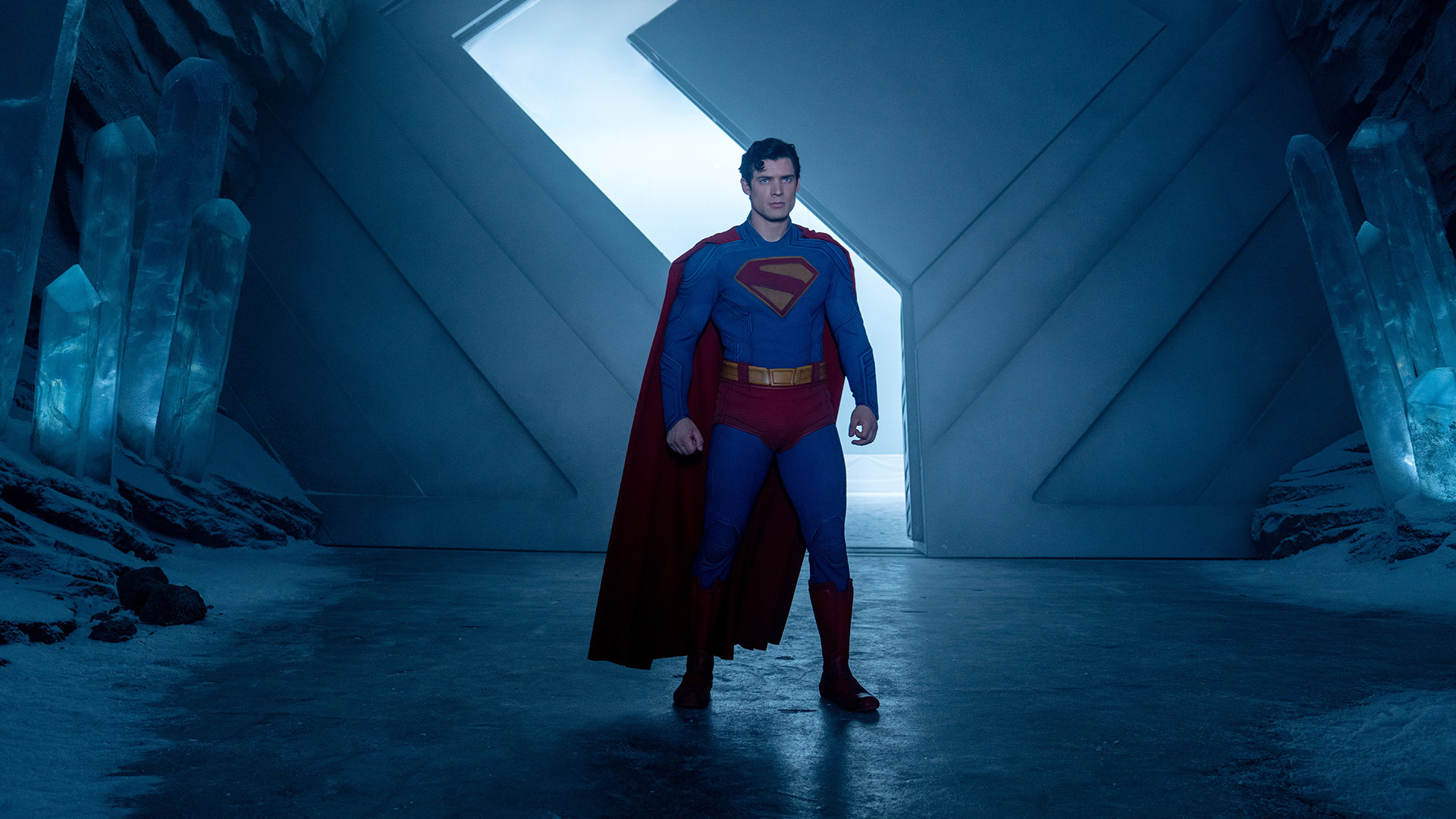
Superhero summer is upon us with Superman and The Fantastic Four: First Steps. Here, Helen O'Hara gives studio executives some (mostly) helpful advice on how to build an interconnected cinematic universe that'll keep audiences invested.
Article
Thunderbolts* is the Best Superhero Team-Up Since the Avengers
Marvel has passed the baton to a new group of heroes and, unlike their predecessors, they’re flawed and rough around the edges. It’s these imperfections that make the Thunderbolts a breath of fresh air, writes Jess Bacon.
Taika Waititi
The Style, and Substance, of Taika Waititi
Clarisse Loughrey pays tribute to the prolific, status quo-smashing director who, over the course of his many projects, always allows his signature style, and career-long thematic concerns, to shine through.