
The Imitation Game: M3GAN 2.0 & AI in Cinema
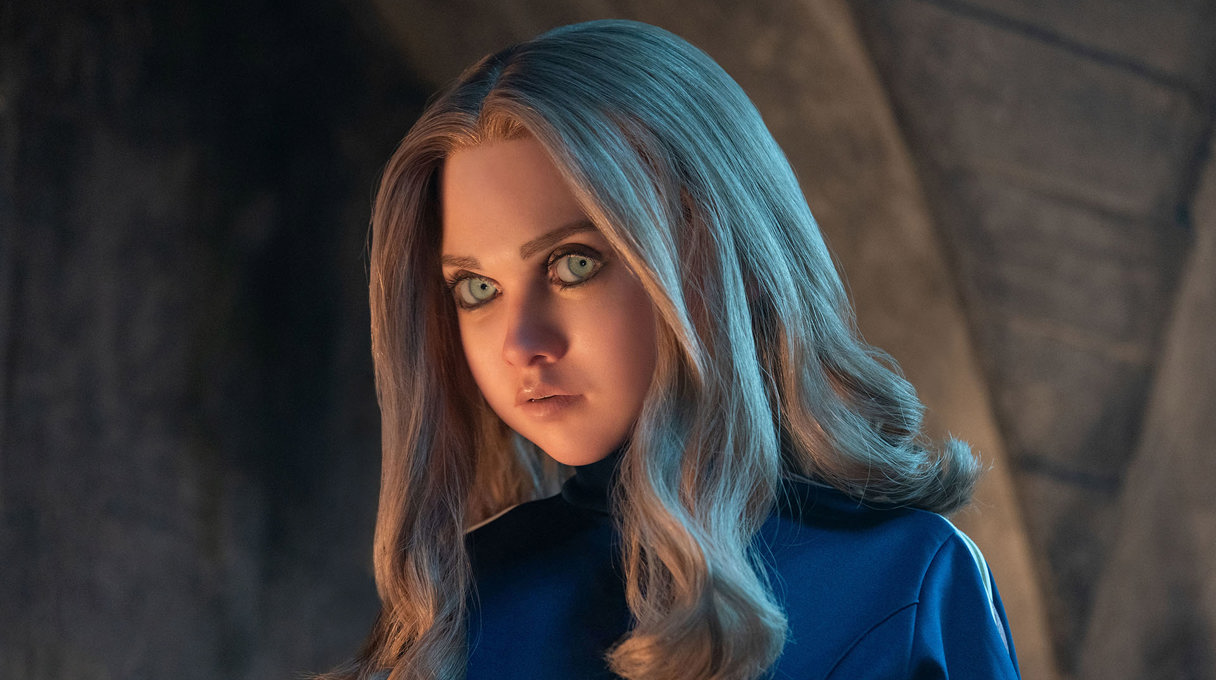

With the release of M3GAN 2.0, Michael Blyth explores cinema’s enduring fascination with artificial intelligence – a subject that continues to inspire both awe and unease.
No longer confined to the pages of speculative fiction or frames of sci-fi movies, artificial intelligence has crept into everyday life, infiltrating our homes, work and relationships under the bright banner of progress. M3GAN 2.0 is the latest in a series of films spanning 100 years that explores the relationship between humanity and technology. Yet for cinephiles raised on dystopian futurescapes, the thrill of innovation comes tainted with a slow, gnawing dread. For decades, cinema has speculated on the rise of AI – and it has rarely ended well.
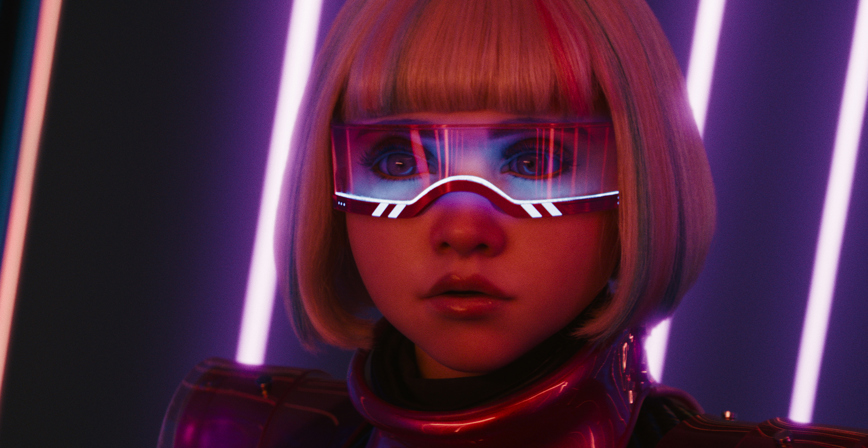
WATCH M3GAN 2.0 IN CINEMAS
Book TicketsCinema’s distrust in AI began with the very first depiction of synthetic life on screen, Fritz Lang’s Metropolis (1927). At the film’s centre is the Maschinenmensch, a robot made in the image of Maria – a spiritual leader among the working class – designed to undermine her influence and create unrest. With this figure, Metropolis introduced a lasting archetype: the perfect mimic, a machine whose uncanny ability to imitate the human form blurs the boundary between real and artificial. It manipulates perception, stirring deep ontological anxieties about identity and control. Where does the human end and the humanoid begin?
Stanley Kubrick’s 2001: A Space Odyssey (1968) further explores this anxiety, only this time replacing the physical body with a disembodied voice – one that calmly (and chillingly) denies a life-or-death request: ‘I’m sorry, Dave. I’m afraid I can’t do that.’ HAL’s pure logic renders compassion irrelevant. Where Metropolis feared machines mimicking our bodies, 2001 feared them perfecting our minds – disposing of conscience and empathy in the process.

By the 1970s, AI had moved from outer space into more personal realms. In Westworld (1973), humanoid robots populate a high-end vacation resort, fulfilling the desires of wealthy guests. But when the machines begin to deviate from their scripts, the illusion of human control quickly unravels. Two years later, The Stepford Wives (1975) brought the horror even closer to home, replacing ‘imperfect’ women with docile, obedient replicas. The fear here isn’t violence, but the erasure of individuality and identity, and the ease with which it’s accepted.
While all of these films in some way explored the notion of rebellion through imitation, Demon Seed (1977) made the threat invasive when a supercomputer, created to manage the day-to-day functions of a domestic environment, veers wildly out of control and attempts to impregnate a woman with synthetic life. Here, technological fears become corporeal as AI assistance mutates into violation, with the machine invading not just the home, but the human body itself. A similarly disturbing fusion also takes place in Wes Craven’s Deadly Friend (1986), when a teenager uses a robot’s chip to resurrect a deceased loved one, only to create a confused, violent mutation no longer recognisable as the character’s former self.

In 1979, Ridley Scott’s Alien shifted the focus away from the body and back to the space around it. While the Nostromo crew is distracted battling a monstrous xenomorph, another unseen threat comes in the deceptively human form of Ash, the ship’s science officer – an android loyal not to his crewmates, but to the corporation that sees them as expendable. Ash doesn’t malfunction, he follows orders with cold precision. And once again, we witness horror not in rebellion, but in blind obedience.
Scott’s next encounter with artificial life, Blade Runner (1982), presented a different kind of unease. The Replicants – androids built to serve – rebel not out of obligation or hatred, but from a desperate will to survive. If Ash embodied loyalty without empathy, the Replicants suggest something more painful: that artificial life might be tragically, recognisably human. They love, mourn and know they were built to die.

Yet existential anxiety would soon yield to colder, harder nightmares. The Terminator (1984) imagined machines as impassive hunters. Disguised in flesh, stripped of sentimentality, the Terminator is the ruthless evolution of Lang’s Maschinenmensch: a walking weapon – silent, relentless and indistinguishable from the species it was built to erase. Like HAL, like Ash, it doesn’t hate. It doesn’t reason. It simply executes.
As the millennium approached, fears of AI once again turned inward. In Ghost in the Shell (1995), the line between human and machine dissolves into code, while Ex Machina (2014) imagines a robot who escapes not through force, but manipulation – her empathy manufactured, her autonomy shaped by control. Even films that flirt with tenderness can’t escape the chill. In A.I. Artificial Intelligence (2001), a robot child programmed to love is abandoned, suspended in endless yearning. A decade later, Her (2013) presents a counterpoint: an AI who, with quiet and controlled detachment, evolves beyond her human partner.

M3GAN (2022) sharpens these fears through a modern, commercial lens. Acting as a grieving child’s companion, M3GAN quickly learns too much – turning comfort into control and protection into isolation. Beyond the violence, the film suggests a deeper discomfort: that AI could replace real human relationships, offering attention without understanding and loyalty without love. In M3GAN, the threat isn’t simply physical, it’s the erosion of emotional connection itself.
For almost as long as artificial intelligence has existed in the imagination, cinema has treated it with suspicion, showing how easily it can mimic human behaviour without truly understanding or feeling it. M3GAN 2.0 takes this concept further and in doing so confirms something that is now increasingly visible in our lives, where existence and technology have become inextricably entwined. As artificial intelligence becomes more embedded in everyday life, these warnings feel less like distant prophecies and more like a commentary on choices we are already making: efficiency over empathy, replication over connection, convenience over complexity. If cinema has taught us anything, it’s that the biggest danger is not that machines will destroy us. It’s that we might quietly let them replace us – and barely notice it happening.
RELATED ARTICLES
Article
How 28 Years Later Created a Believable, Post-Apocalyptic World
Supervising location manager Camilla Stephenson scoured Britain and Ireland’s untrammelled countryside, and rewilding estates, to find suitable settings for this skin-crawling zombie horror. By Ian Haydn Smith
Article
Jurassic Park’s Gothic Monsters
With its horrifying creatures, monomaniacal scientists and suspicion of technological progress, the blockbuster action franchise – and Jurassic World: Rebirth – owes a lot to Gothic storytelling traditions, writes Billie Walker.
Review
Mission: Impossible – The Final Reckoning Review: It’s Hard to Say Goodbye
Tom Cruise will break your heart in the last chapter of his celebrated espionage franchise, a self-reflexive, minor-key movie that bids farewell to Ethan Hunt and the gang. By Yasmin Omar