
Stacy Martin: ‘I Really Crave the Collaboration Element of Filmmaking’
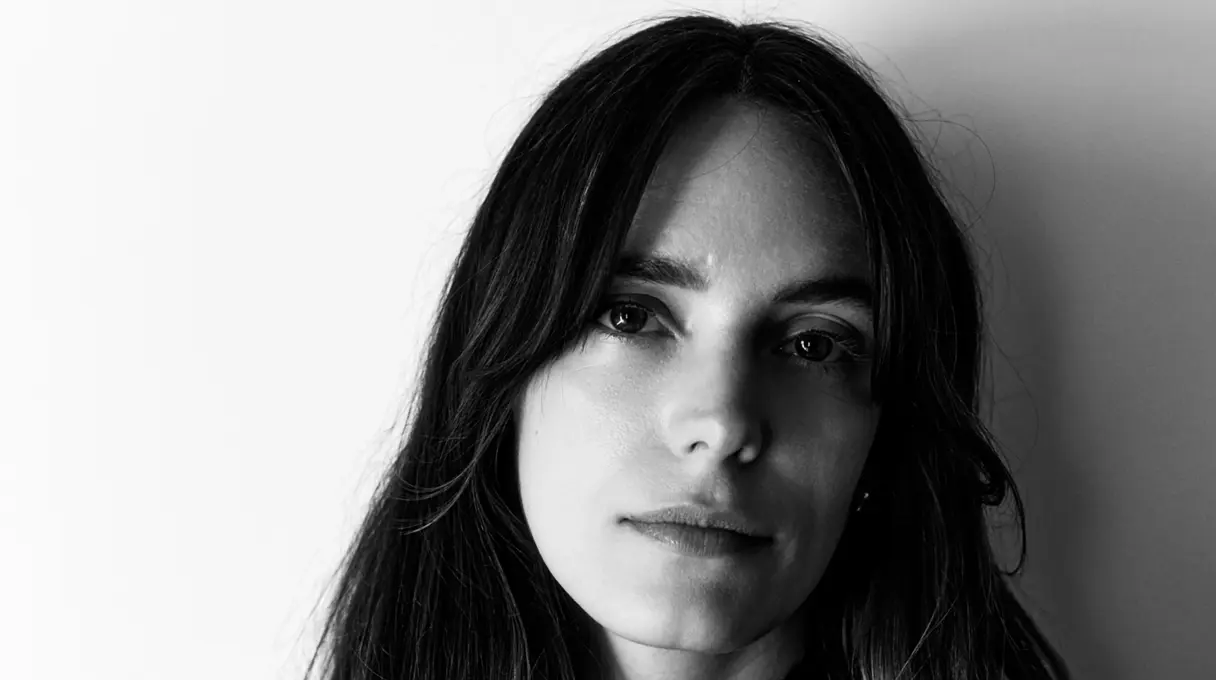

As she makes her first short film Amaretti, the actor-turned-director speaks to Hannah Strong about learning through observation, losing a 35mm camera and Bill Nighy’s casting tip.
When Stacy Martin visits her grandmother, they enjoy a particular beverage-based tradition. ‘She has an amaretto coffee every night, and it’s such a weird drink – she makes it with soluble coffee, which sounds awful,’ Martin explains with a smile. ‘But I tasted it and thought it was bloody delicious. So that’s something we’ve had together for years, and I think having those little things or patterns of behaviour says quite a lot about us as people.’
When it came to writing and directing Amaretti, her first short film, Martin wanted to pay tribute to her grandmother’s long-standing love of the sweet Italian liqueur, but also drew narrative inspiration directly from a schism within her own family over inheritance. ‘The events in the film are different, because recreating something can be limiting. The beauty of a short film is you [can] be a bit more experimental and poetic, which was quite freeing.’

It’s no surprise that Martin developed an interest in writing and directing; as an actor, she’s worked with some of the best filmmakers around. Her very first role was in Lars von Trier’s Nyphomaniac (2013), and she has since worked with Matteo Garrone, Ben Wheatley, Ridley Scott and Will Sharpe, to name a few.
But she’s perhaps best known for her collaborations with Brady Corbet and Mona Fastvold, having appeared in The Childhood of a Leader (2015), Vox Lux (2018), The Brutalist (2024) and The Testament of Ann Lee (2025). It’s been a busy year for Martin: she just played Fanny Dashwood in Georgia Oakley’s reimagining of Sense and Sensibility, and is currently shooting Corbet’s next film in Portugal.

Has her experience as an actor helped her as a first-time filmmaker? ‘I’ve come to realise that one of the things that I’ve loved so much about acting is that I get to be on so many sets and observe so many different people working, and I’ve learned I really crave the collaboration element of filmmaking,’ Martin explains.
‘It’s really fulfilling for me to make something with other people that you are all excited about, and to work with incredible talent in costume design or production design or sound design – all things that I would be completely incapable of doing. I think that working with so many amazing people makes you quite humble. I’ve definitely learned through observation.’

Martin found her two stars in Diana Quick and Emily Beecham. Quick plays Lennie, a taciturn woman in her seventies who has been financially exploited by her son; while Beecham is Lola, the psychiatrist charged with speaking with her as part of the police investigation. The pair meet in an interview room under upsetting circumstances, but Amaretti soon expands to allow us a glimpse into both women’s lives as they bond despite the situation.
With the role of Lennie in particular, Martin was determined to get the casting right. ‘I really didn’t want to go for a younger actress,’ she says. ‘I hate watching films at the moment and seeing actors who are clearly too young for the character. How can you buy that they have adult children and a job and this whole life when they look like they’re 22?’

A recommendation came from an excellent source. ‘It was actually Bill Nighy who mentioned Diana to me, because I was looking for someone who was really talented but might be willing to do a short film. She has this very sharp humour and can be very stern, but also very cheeky. She just brought so much to Lennie without me having to say much at all.’
The alchemy that occurred when Quick and Beecham got together surprised their director. ‘Weirdly I thought they were quite different initially when I cast them, but looking at the film, they keep being these sort of mirrors of each other at different points in life,’ she muses. ‘People have said, “Is Emily’s character a ghost?” or “Was she Lennie when she was younger?” I love all these interpretations, because it’s not how I wrote it but it totally could be.’

With any film, who’s behind the camera is just as important as who’s in front of it, so Martin recruited gifted friends such as the musician Billy Steiger for an atmospheric score and veteran cinematographer Ula Pontikos, who previously worked on Paul McGuigan’s Film Stars Don’t Die in Liverpool (2017) and Andrew Haigh’s Weekend (2011). ‘Ula’s really passionate about filmmaking but also photography, and there’s something very poetic about her sensibility,’ Martin says. ‘She totally understood what I wanted to do, and I thought the more I can say with the look of the film, through a character’s shoes for example, or a piece of music, the less I have to directly tell the audience.’
Determined to shoot on film and inspired by the ethereal, melancholy look of Todd Haynes’ Carol (2015), Martin and Pontikos dreamt of using Super 16 stock for Amaretti, but knew it would be tricky due to practicalities. They settled on 35mm – but a stroke of luck changed everything. ‘We actually ended up losing our 35mm camera 10 days before shooting, and there wasn’t a single other 35mm camera in the whole of England,’ Martin recalls.
‘But I was really determined to not push the dates, so I went to the rental company and asked them what we could do. They ended up saying, “Look, we’ve got this Super 16 camera, you can use that if you like.” Suddenly it was like we’d come full circle. I’ve realised, when you’re making films, you really have to think on your feet and be creative enough to take every opportunity because something will come from it.’

Another lucky break: when Martin showed her location reference photos to her producer Philip Herd, he recognised one of them. ‘I really wanted to start the film in this very specific type of building that was quite imposing and harsh,’ Martin explains. ‘And Philip, who is such an amazing force for independent filmmaking in the UK, looked at them and said, “That’s in Morecambe, where I grew up – shall we go up there and have a look?” So we went up to Lancashire, and that building is actually a working constabulary, so we asked if we could shoot there, and they were so extremely kind and accommodating.’
Morecambe locals also helped Martin find the perfect location to serve as Lennie’s home. ‘There was this wonderful couple Fred and Anne,’ she recalls. ‘I put a little note through their door – they were so generous and let us film. Every little detail was so important because it was a house that had so much love in it, but also this sense that time had passed there that you really felt. I wanted that in every element of the storytelling.’
The result of Martin and her team’s strong collaborative instincts is a short film that arrives perfectly formed – her love of cinema shines through even in the space of 15 minutes. The experience has also inspired Martin to pursue filmmaking in the future. ‘I’m writing my first feature now, and I really want to work with everyone who worked on the short again,’ she says. ‘I’m really ready to explore something else – but whatever it is, it will definitely be shot on film.’
RELATED ARTICLES
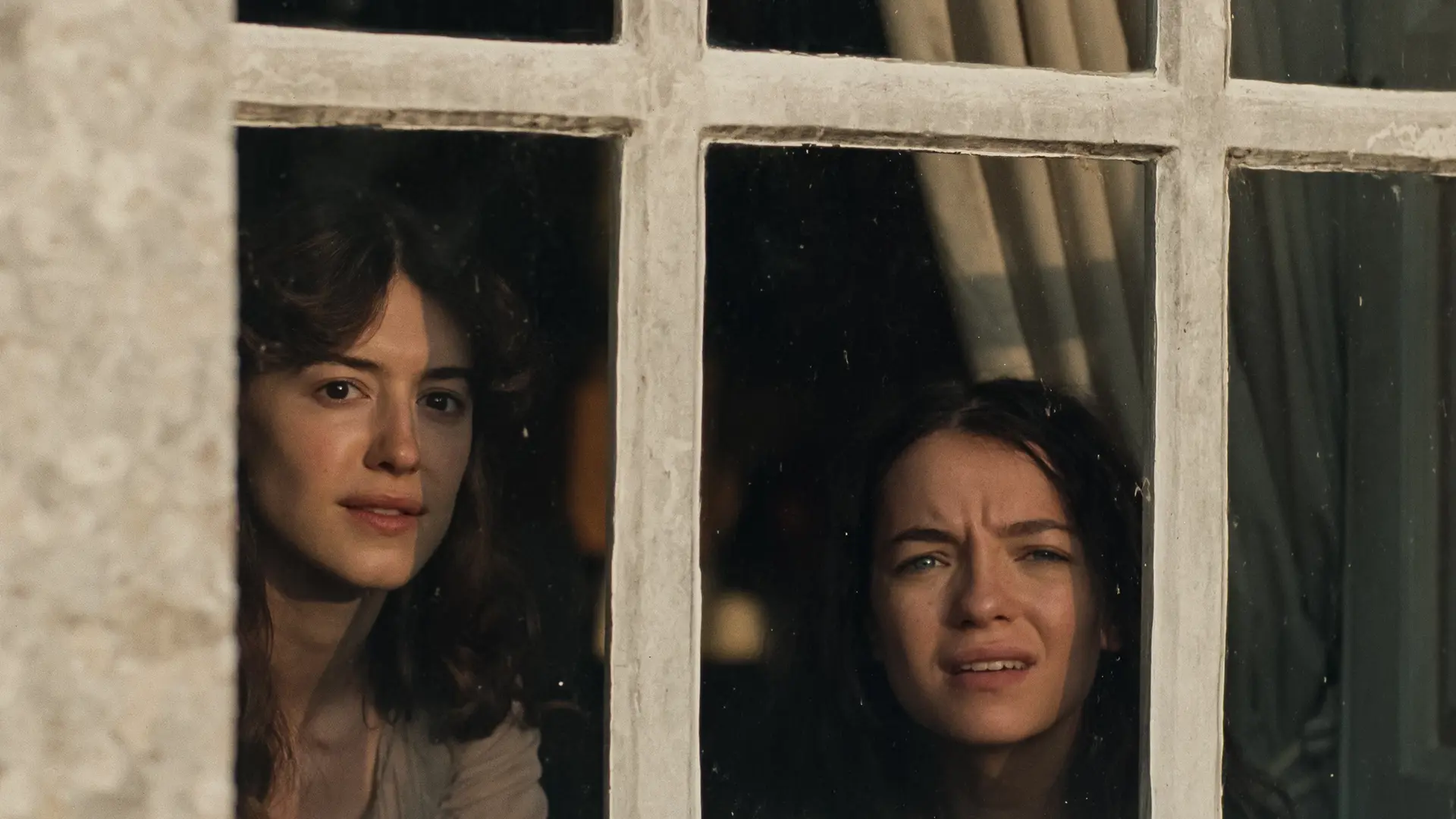
Article
Sense and Sensibility Has Always Been About Sisterhood
Georgia Oakley’s Regency drama is the latest adaptation of a woman-penned classic novel that foregrounds the bonds between sisters over romance. All the best ones do, writes Nadira Begum.
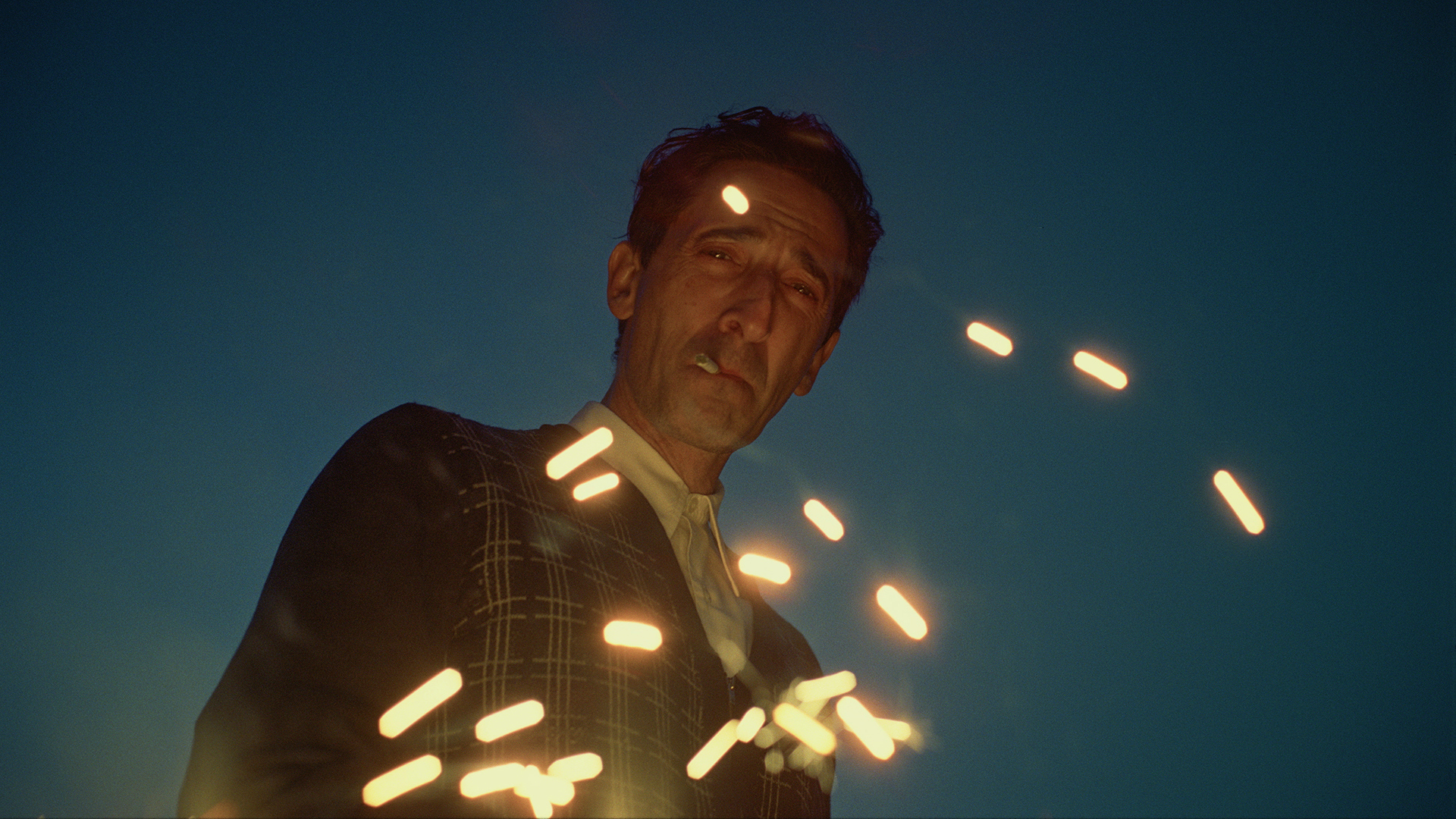
Review
The Brutalist Review: A Tremendous, Towering Achievement
Brady Corbet’s grand, yet intimate, tale of a Hungarian-Jewish immigrant struggling to make a life for himself in mid-century America is an engrossing, thematically rich masterwork, writes Yasmin Omar.
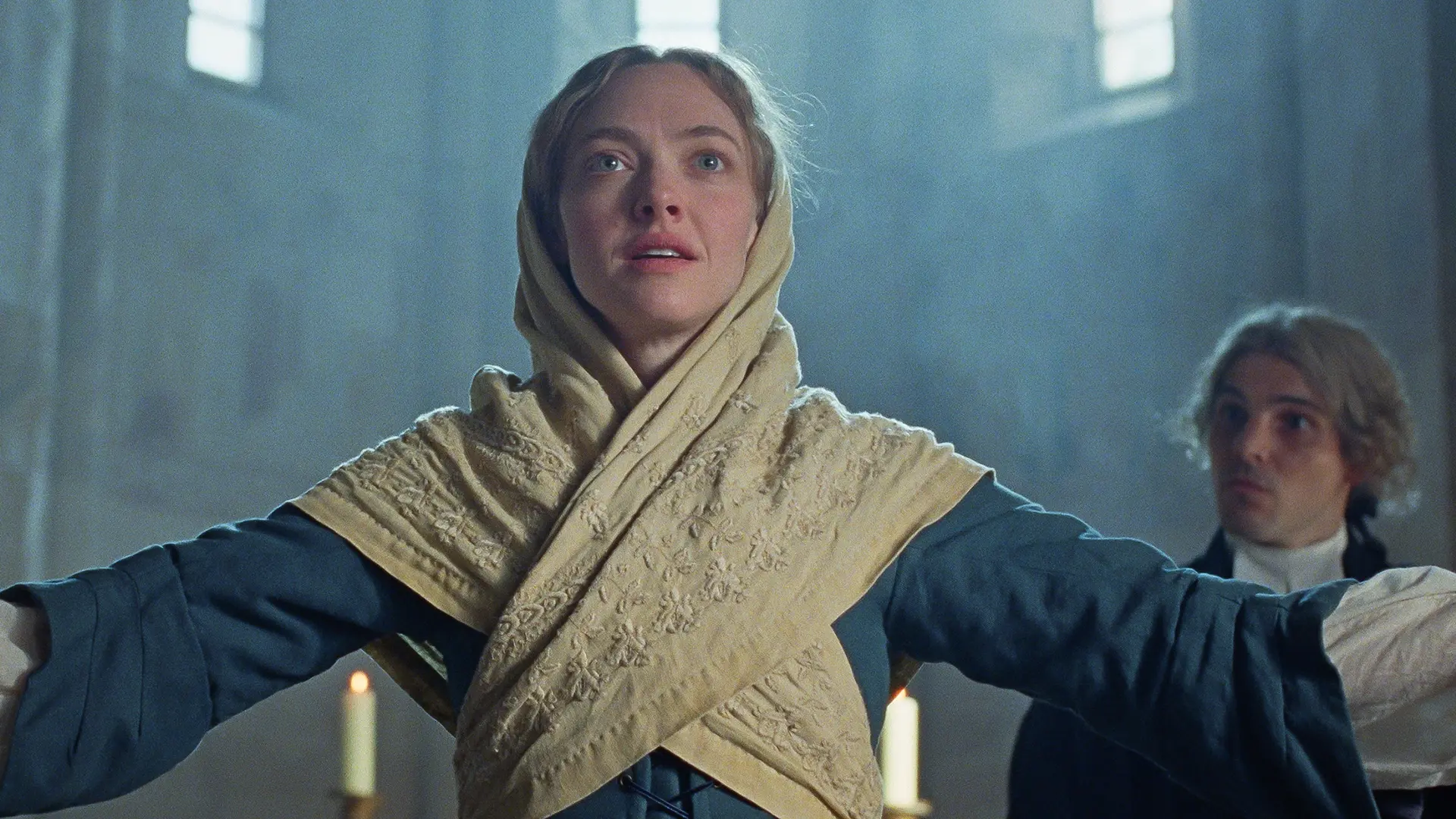
Article
The Birth Montage is the Most Important Scene in The Testament of Ann Lee
The heart-wrenching sequence – which offers more guttural authenticity than Hollywood’s typically squeamish depictions of childbirth – is the emotional crux of the entire film, argues Sophie Monks Kaufman.