
Cinematographer Autumn Durald Arkapaw Made History with Sinners
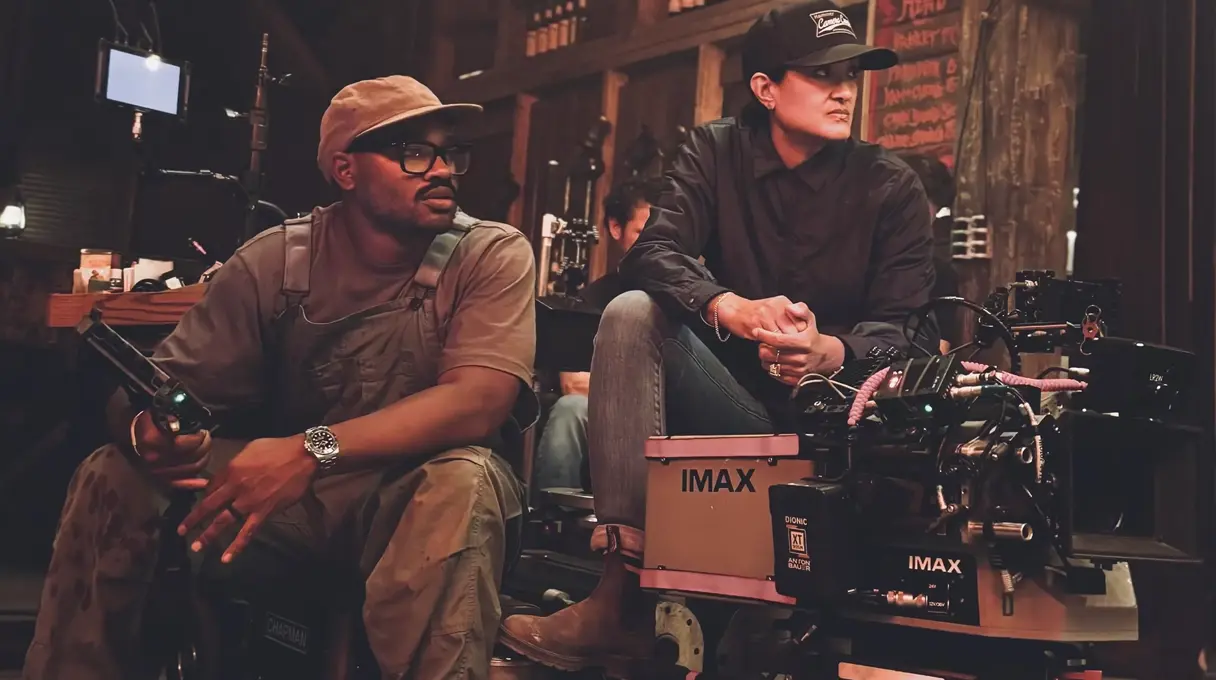
Autumn Durald Arkapaw has steadily built a reputation as a cinematographer to watch. Her work ranges from independent features, such as Palo Alto (2013) and The Last Showgirl (2024), to Marvel hits Loki (2021) and Black Panther: Wakanda Forever (2022), and she also has a back catalogue of music videos that includes collaborations with Haim and Rihanna. Reuniting with Wakanda Forever director Ryan Coogler, Durald Arkapaw brings the 1930s Deep South blazingly to life with her bold work on his critically acclaimed vampire blockbuster Sinners. It also makes her the first female director of photography to shoot a feature on 65mm IMAX film.
LEIGH SINGER: YOU DIDN’T KNOW WHAT SINNERS WAS ABOUT WHEN RYAN COOGLER FIRST SENT YOU THE SCRIPT. WHAT WAS YOUR INITIAL REACTION?
AUTUMN DURALD ARKAPAW: He’s a writer-director, so I always assume it’s going to be personal and unique, because that’s how he is. And right off the bat, my mind opened up – [it was] completely out-of-the-box. It also became a personal thing, because my father’s family is from the South, in New Orleans. So, you’re also internalising that landscape, because some of your heritage and culture is rooted in that. It was very special.
WATCH SINNERS IN CINEMAS
Book TicketsLS: INITIALLY, RYAN WANTED TO SHOOT SINNERS ON 16MM. HOW DID YOU END UP WITH 65MM IMAX?
ADA: Ryan shot Fruitvale Station [2013] on 16mm, so he was seeing [Sinners] as a similarly down-and-gritty type of film. Then the studio called and said, ‘Have you considered large format?’ Ryan brought up The Hateful Eight [2015] 2.76:1 format, which he felt could be interesting in telling this story. That type of landscape in the South – a long horizon line, with cotton fields stretching for miles and miles. I set up a screening where we could look at some dailies of The Hateful Eight, Tenet [2020] and even 2001: A Space Odyssey [1968]. We did some tests out in the desert and after that there was no going back.
LS: YOU SHOT BLACK PANTHER: WAKANDA FOREVER FOR RYAN ON DIGITAL. HOW DOES FILM VERSUS DIGITAL COMPARE ON THESE BIG PROJECTS?
ADA: I tend to like the pacing more when you’re shooting [on] film. With digital, I don’t necessarily like that you can roll for 45 minutes. I don’t love that everyone’s crowding around the monitor at times. With film, it’s a more personal experience.
LS: HOW DID YOU FIND SHOOTING ON IMAX CAMERAS, SINCE THEY’RE NOTORIOUSLY CUMBERSOME?
ADA: I’ve always operated the camera. So, you just figure out how to use it – how to move quickly, how to put it on Steadicam, or on cranes. One piece of advice that Christopher Nolan gave Ryan was [to] treat it like a Super 8 camera. The cameras are bigger and might be heavier, but treat them the same. Just tell your story. Fear is not an option in filmmaking.
LS: WHICH SCENES STOOD OUT TO YOU?
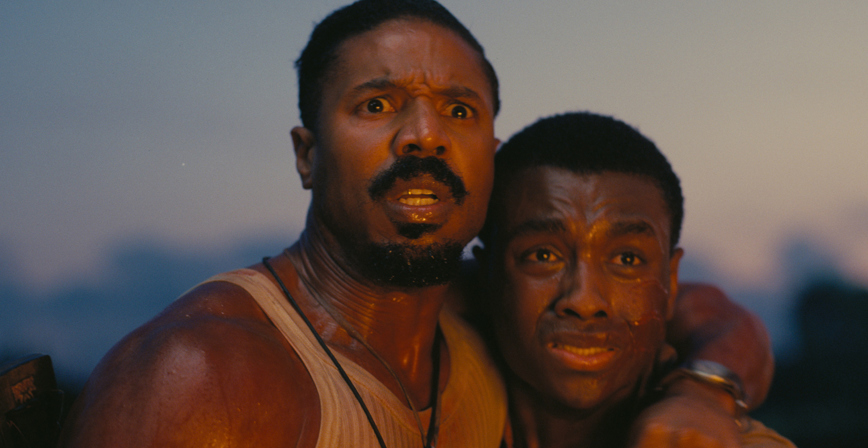
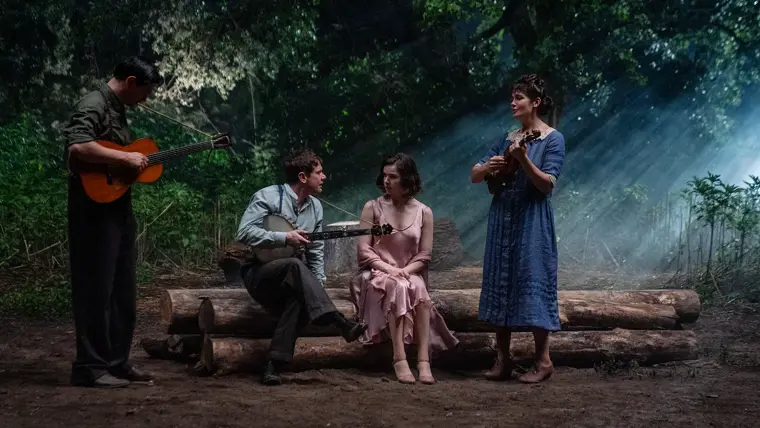
ADA: I have two. The farmhouse scene first introducing [Jack O’Connell’s vampire] Remmick, where he jumps into frame. It opened the script originally, but it was also such a super visual piece on paper and I’m happy with the way it turned out, particularly with the light – shooting at the magic hour [the last hour of light before sunset]. And [the other was] the church scene that opens the film. It was very emotional shooting in that space. I could feel the ancestors watching over us.
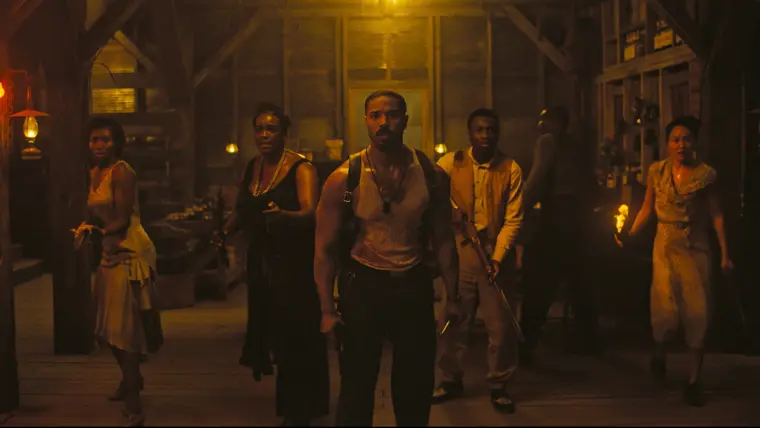
LS: HOW DOES IT FEEL TO BE THE FIRST FEMALE CINEMATOGRAPHER TO SHOOT A FEATURE ON 65MM IMAX?
ADA: It didn’t cross my mind until Ryan talked to me about it. He said, ‘You know, this is very important.’ When he said that, I felt the weight of it. When I was starting out and applied to the American Film Institute, I looked for female DPs, but couldn’t find any. Obviously that can be discouraging, because you’re trying to figure out who does this job. Then I saw Blow [2001] and loved it. I looked up who the DP was and saw the name Ellen Kuras. Her work was wonderful, and that gave me encouragement.
LS: DO YOU FEEL THE GENDER IMBALANCE IN YOUR FIELD IS CHANGING?
ADA: At film school, there were 28 cinematographers in the programme, 11 of whom were women. That shows you that women are interested in this craft. However, there aren’t that many female DPs shooting at this level. Rachel Morrison was one of the first, on Black Panther [2018]. But things are changing. I just got back from doing a talk with students at the Savannah Film Festival and it blew my mind how many women wanted to speak to me about my work. That means the world to me. I feel that responsibility and I want to pay it forward.
This article originally appeared in the Awards Journal. You can pick up a free copy at your local Curzon cinema while stocks last.
WATCH SINNERS IN CINEMAS
READ ON THE JOURNAL
Article
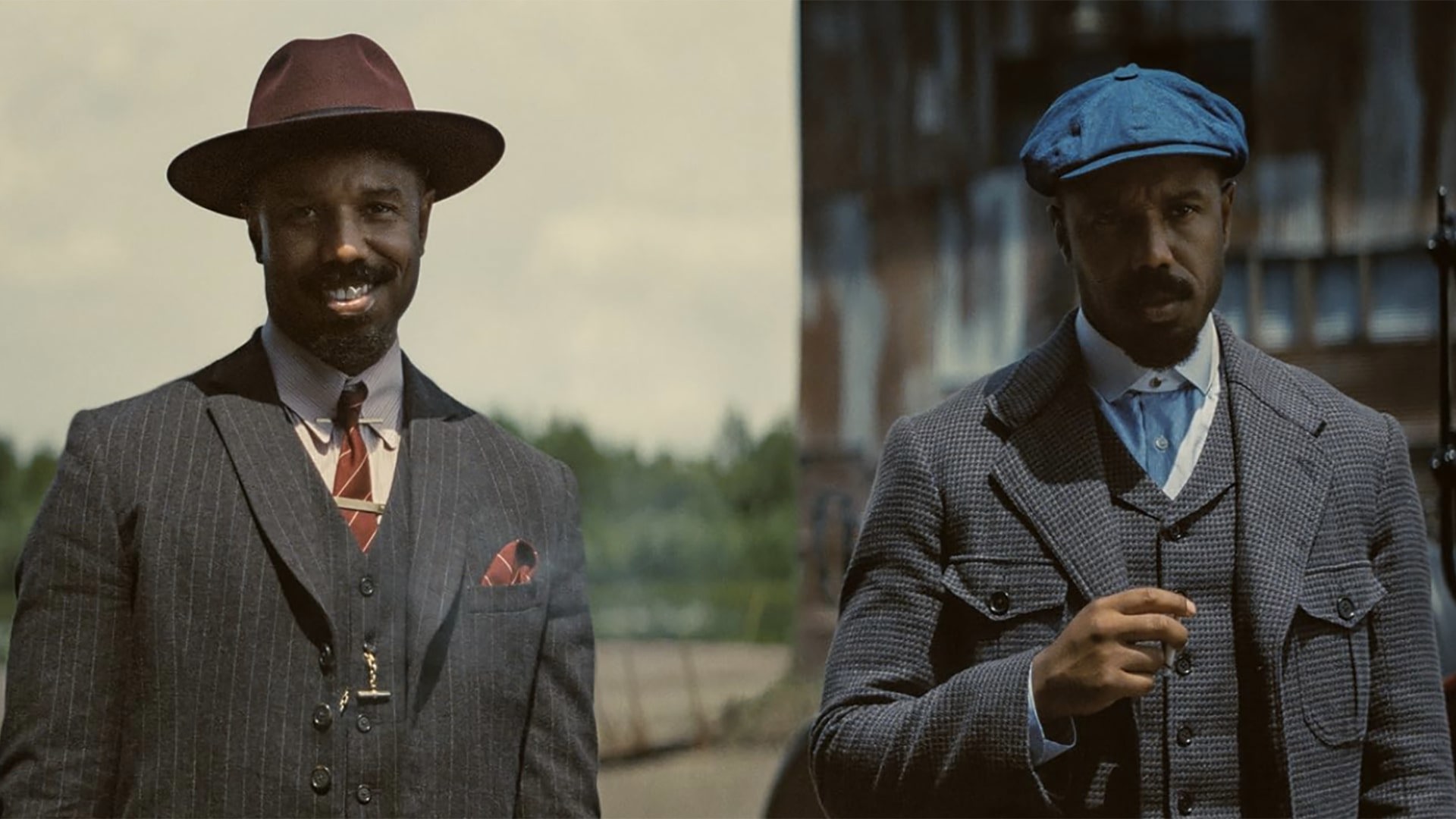
Double Trouble: How Actors Appear in Two Roles on Camera
In response to the recent trend of movie stars pulling double duty, Sophie Monks Kaufman speaks to visual-effects artists about the technical challenges of multiplying a performer.
Article
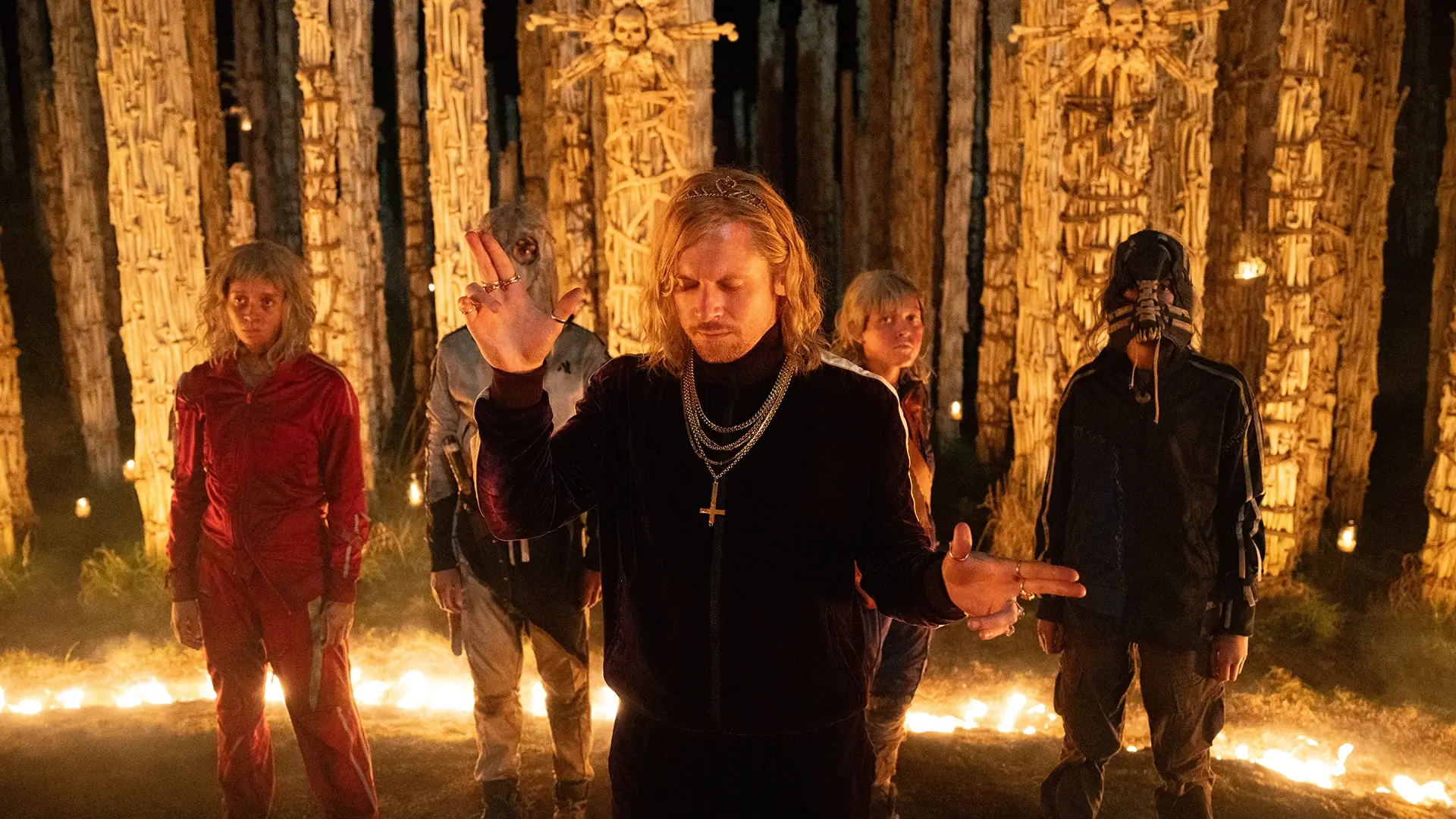
Jack O’Connell Has Always Been a Great Villain
As the actor commits more dastardly deeds in zombie flick 28 Years Later: The Bone Temple, Josh-Slater Williams explores O’Connell’s long history of playing powerful antagonists.
Article
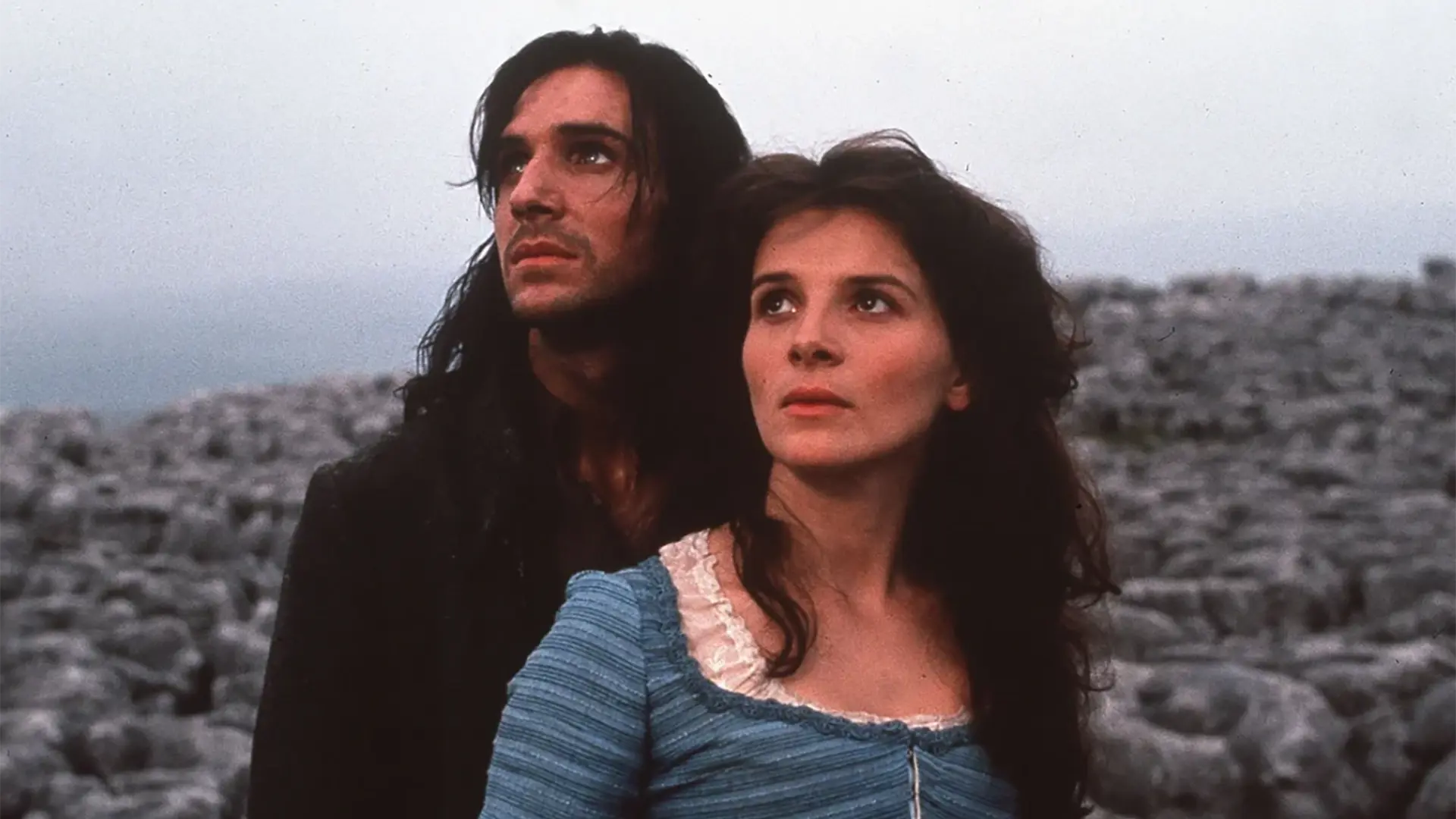
Why Do Filmmakers Keep Whitewashing Gothic Literature?
As another white actor takes on the canonically brown role of Heathcliff, Nadira Begum investigates the worrying trend of directors refusing to engage with the racial politics of Gothic novels when bringing them to the big screen.