
Dream Therapy: Carla Simón on Romería
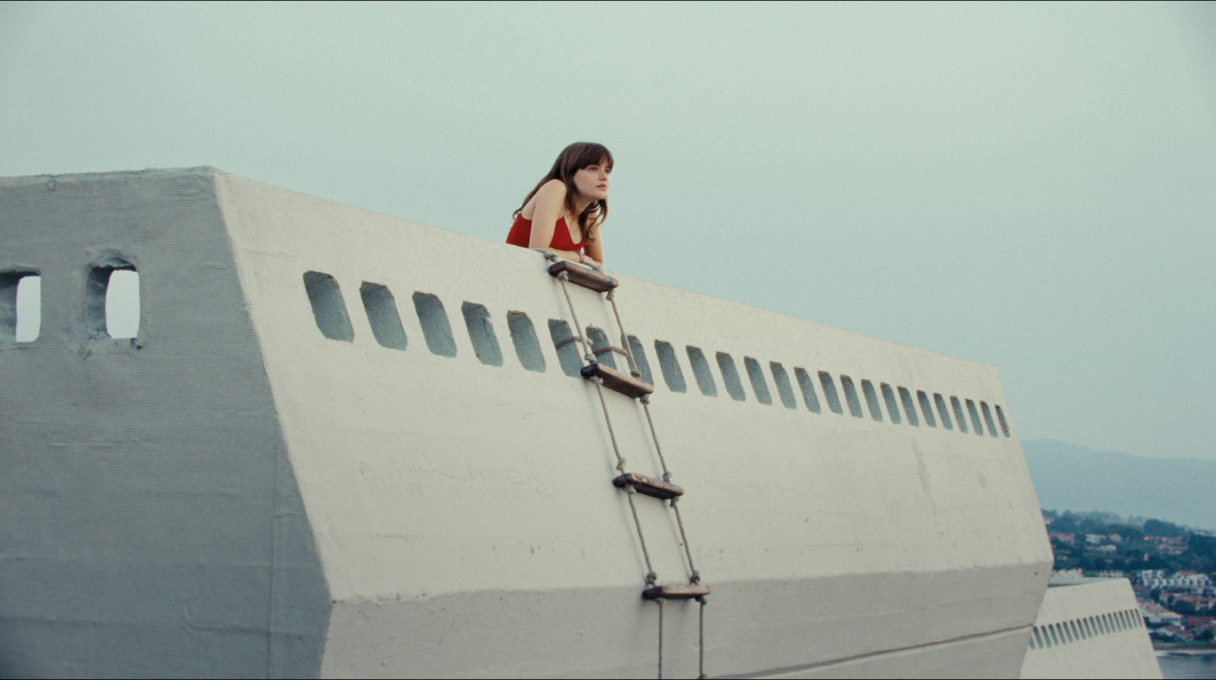

A dreamlike and deeply personal drama, Romería turns the cloudy terrain of family memory and grief into a vibrant portrait of love, freedom, and addiction during Spain’s transition to democracy. Culminating a loose cycle of autofictional films about her family, director Carla Simón discusses dreams, memories and the importance of looking back with Sophia Satchell-Baeza.
In the car, a group of little girls discuss the Santa Compaña. This Galician myth about the undead describes a procession of souls in white, hooded cloaks who stalk villages at midnight. The little girl describes them as ‘spirits that can’t die’; instead, they must roam among the living. This brief conversation, held early on in Carla Simón’s Romería, gives a hint of what is to come. Simón is known for her rural neo-realism, but here she breaks with those confines, leaving the countryside for the sea, traversing briefly into the fantastical as she summons the dead back to life.
Romería follows an aspiring young filmmaker, 18-year-old Marina (Llúcia Garcia), as she sets off on a quest to her father’s family in search of the paperwork she needs to access a grant for film school. Arriving in the wind-swept Galician port town of Vigo, where her biological father was from, she encounters a conflicting set of narratives surrounding her parents’ death. Unable to fully piece together the puzzle of her parents’ lives, she begins to dream about them in their youth. It’s in this fantasy realm that she has a powerful encounter that helps her to process her parents’ death and begin to move forward with her life.

Simón’s own biological parents died of AIDS-related complications when she was six years old, and her films thus far have been deeply rooted in family dynamics, capturing its rhythms and both the joy and trauma that are passed down through the generations. Her first feature, Summer 1993 (2017), follows an orphan’s move to a rural Catalonian village in the wake of her parents’ passing, and her sophomore film, the Golden Bear-winning Alcarràs (2022), was about a family of peach farmers who face an uncertain future, mirroring through fiction aspects of the family she grew up with.
In both her previous features, Simón is dealing in some way with her own lived experience, though with Romería, she had hit a wall, unable to conjure her parents’ romance from memory, or the stories that were told to her, which were burdened by family shame and secrecy. But did she find this challenging, or was it liberating? ‘It was more freeing,’ says Simón, ‘The film was born out of my frustrations at not having the possibility of reconstructing my parents’ stories’. She’d spent the whole promotional tour for Summer 1993 saying that ‘if you don't have a memory, you can’t generate it. Memory is also selective and subjective. You can’t really trust it,’ she adds, ‘Even if my parents were alive, I wouldn't know whether what they were telling me was true or not. Now I realise that you can, in a way, create your own memories, new ones. I use cinema to create the images that I'm lacking in my life.’
WATCH ROMERÍA FROM FRIDAY
Book Tickets NowThe first two films are closely committed to reality, but Simón says that for this film she ‘wanted to break with this, which makes sense when exploring memory.’ The film is episodic up until the point at which Marina realises that she cannot put the story together, so she decides to imagine it. ‘It felt like a smooth way to start writing something more poetic and fantastical,’ she posits, ‘It was important to create images that could actually lead the audience into this other world. I'm really interested in dreams, and so I'm always looking out for them.’
Simón also worked with a dream analyst to understand how the brain works when it's dreaming. ‘I did two kinds of therapies,’ she tells me, ‘One was around generational memory… a therapeutic method called Brainspotting. You focus your eyes on a spot and then explore the associated images that come up in your mind. It helps you understand things about your past,’ she adds, ‘I recovered some memories from my mum, and started to imagine moments when my parents lived together. It was very interesting.’ The second therapy she undertook was dream therapy, ‘to analyse them and somehow reach out to my parents,’ the director says. ‘I believe that, through dreams, we can repair many things. It's hard to dream about my parents, because I was so little when they died. Through the dream therapy sessions, I ended up connecting with them a bit.’

Another part of the research process involved working with her mum’s letters. Her short films – Correspondence (with Dominga Sotomayor, 2020) and Lacuna (2015) – deal directly with the epistolary form, but with Romería, letters helped her find the language for the diary entries that structure Marina’s pilgrimage. ‘Letters have been my way of getting to know her,’ Simón tells me. ‘There is something very intimate about writing a letter, which you don’t get with WhatsApp or an email. It's much closer to a diary. My mum’s letters are a way for me to feel her and understand her. I could suddenly hear her talking. She was using this old-fashioned vocabulary with lots of mistakes, because she was raised during the dictatorship, so never learned Catalan at school.’ These letters gave Simón vital information about her mother: ‘[I learned about her] way of life and what she paid attention to, as well as her attitude to drugs, friends, work: everything,’ she says.
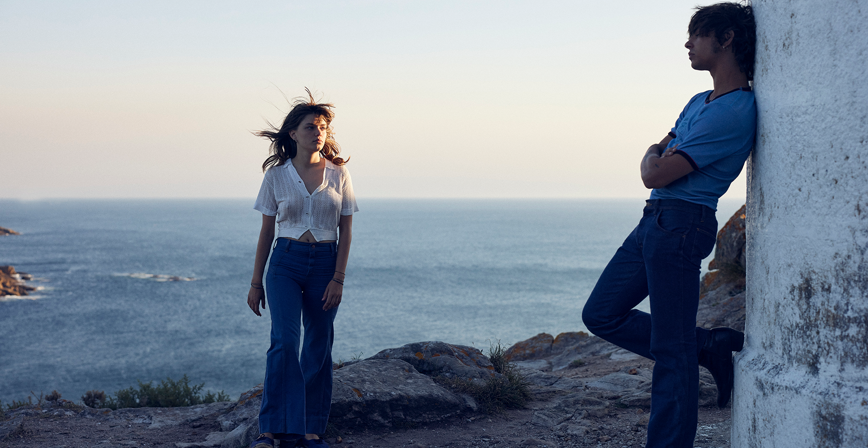
Simón’s dad, on the other hand, came from a very middle-class family, which she found challenging to portray: ‘it's not the kind of family that I had filmed before,’ she states. Her usual way of working with the actors to capture intimate family dynamics is to use a handheld camera, but with this family, she and cinematographer Hélène Louvart needed to find another way in. ‘I wanted to keep that same feeling, but with more distance,’ she remarks, ‘[But] we kept the handheld element for the fantasy sequence.’ This sequence, in which Simón imagines her parents’ love story, is lush, seaweed-strewn and erotic, with the warm and tactile grain of analogue film. She cites Barbet Schroeder’s Ibiza-set drama about love and heroin addiction, More (1969), and Michelangelo Antonioni’s Zabriskie Point (1970) as key influences on how to portray her parents’ romance.

And why was it so important to bring to life Spain’s generación perdida, the largely unspoken communities of people lost to addiction and AIDS? ‘This was such an important generation because it broke with the old values. They embraced freedom and brought with them more progressive ideas.’ We should be looking back, Simón says, particularly at this historical moment, which is becoming increasingly more right-wing, and ‘give value to this [lost] generation who basically broke with everything.’ The pain that so many families went through made them not want to talk much about it. ‘There are many people like me who, as the orphans of this generation, have a lot of questions. For my parents’ generation, the ones who survived, it’s important they feel valued,’ she adds, ‘When we've talked about them, we’ve used words like “shame” and “punishment”. Words are painful. They didn't do it on purpose. They embraced freedom, which also meant experimenting with drugs, but didn't always know the consequences of heroin. We've been blaming them when we shouldn’t have been.’ Neither through recrimination nor outright celebration, Romería delicately redresses this balance, granting dignity to the lives of those who tried to break free.
ROMERÍA IS IN CINEMAS FROM FRIDAY
RELATED ARTICLES
Article
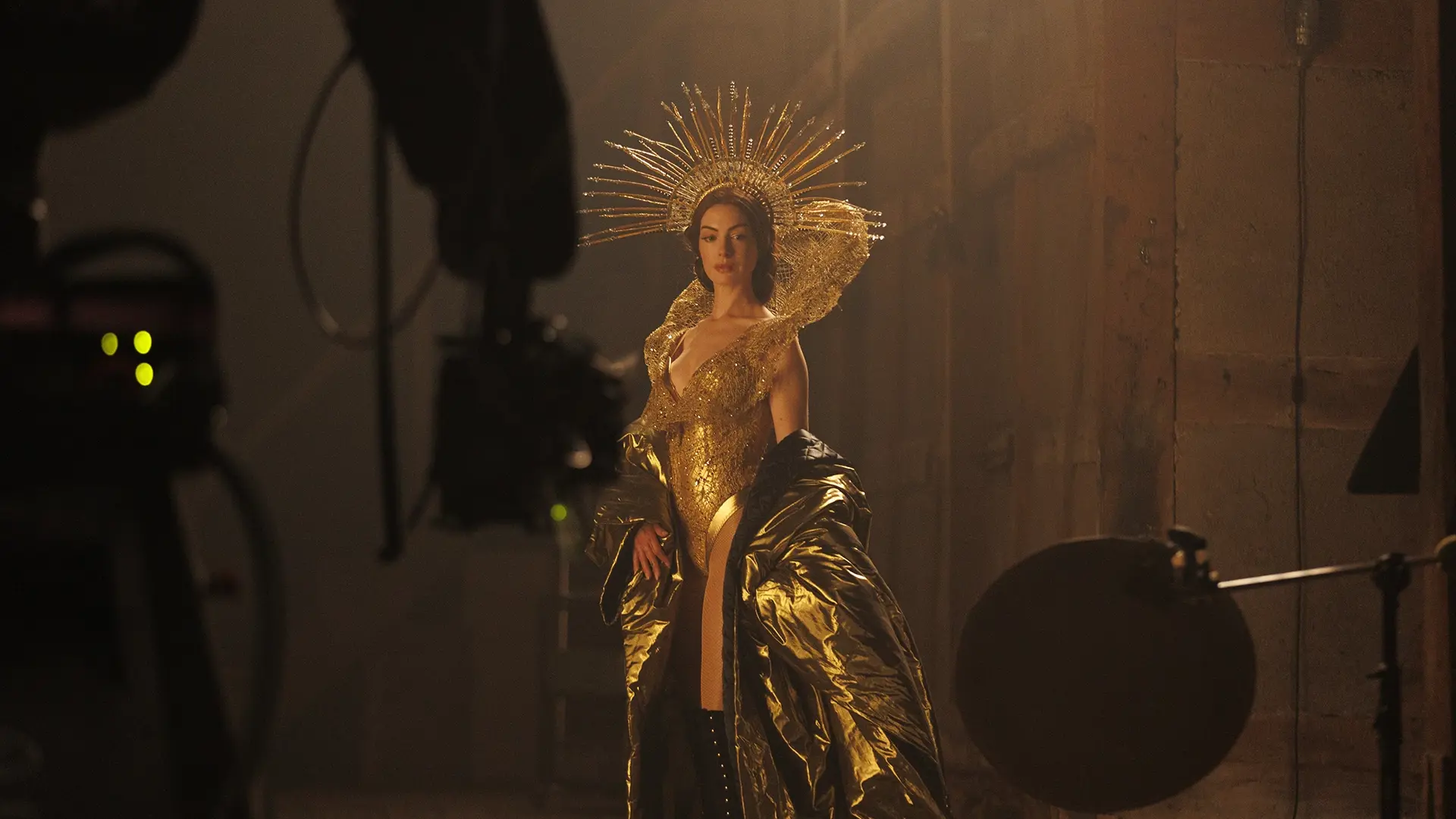
Mother Mary & The Power of the Fictional Pop Star
From Mother Mary to Trap and Lurker, a number of recent horror-thrillers have commented on the dark side of fame and fan culture through their troubled-musician characters, says Billie Walker.
Article
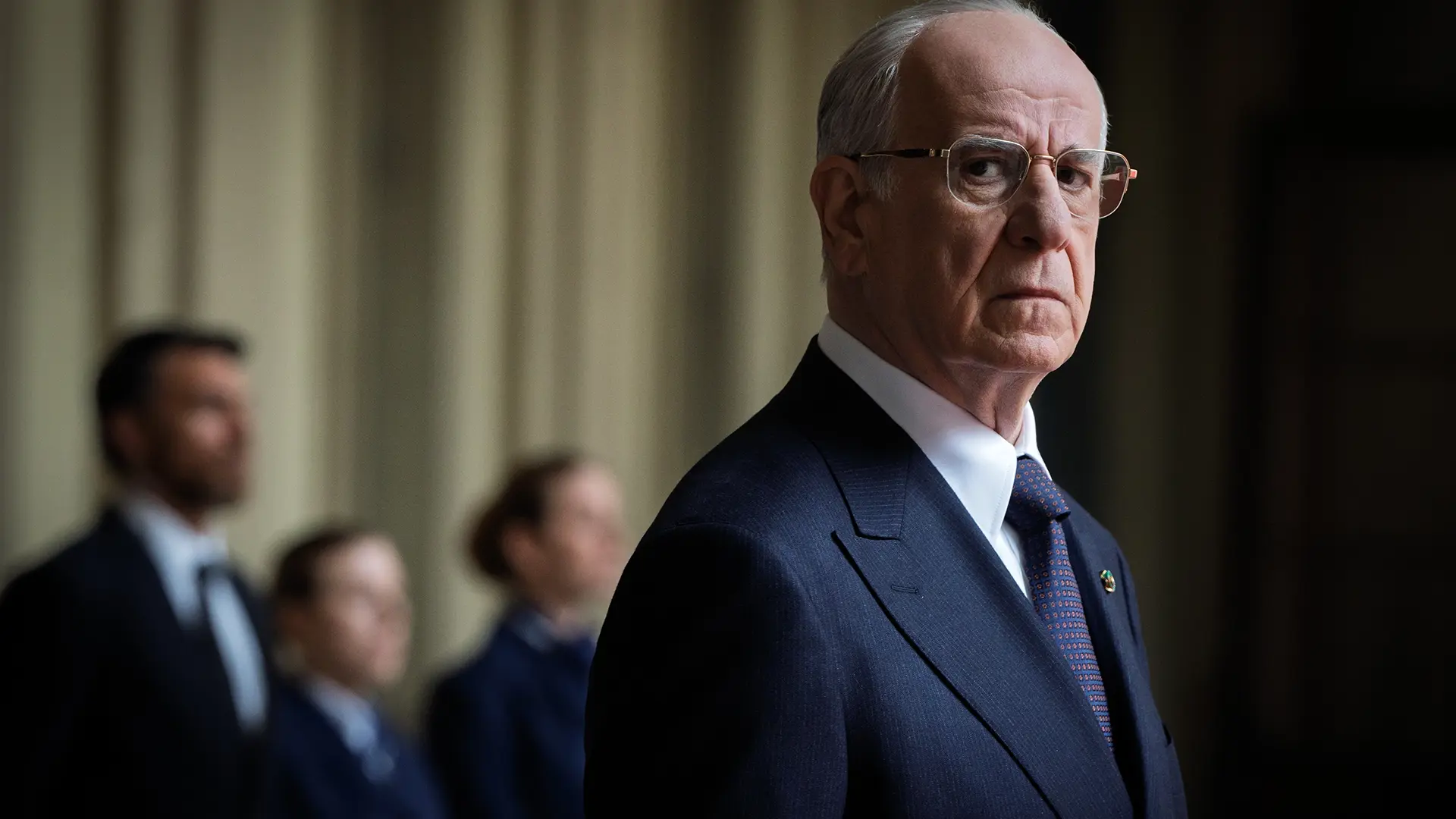
La Grazia Offers a Surprising Portrait of Italian Politics
Paolo Sorrentino’s new drama, his seventh with actor Tony Servillo, presents a refreshingly atypical portrait of an Italian president, for whom power is more of an enervation than an aphrodisiac, writes Ian Haydn Smith.
Interview
The Love That Remains: A Family Affair
Hlynur Pálmason talks about working with his own family to bring this poetic, lightly surrealist drama to life while employing his visual-art sensibilities to explore the highs and lows of family life.