
Mother Mary & The Power of the Fictional Pop Star
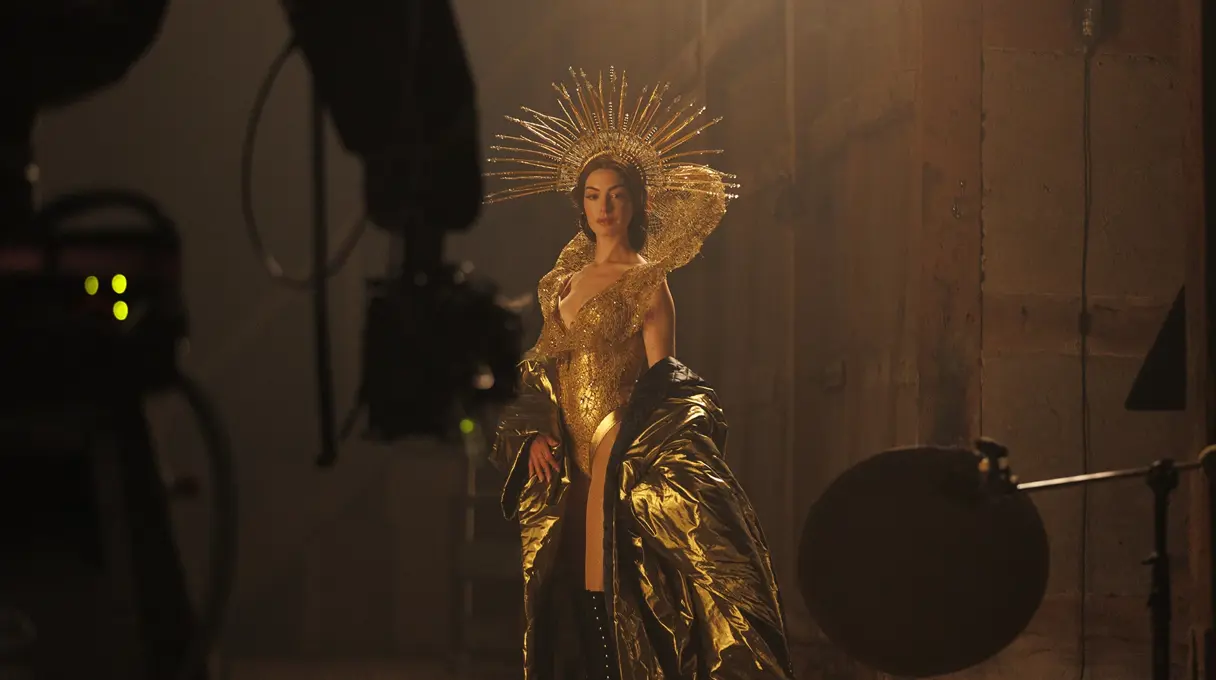

From Mother Mary to Trap and Lurker, a number of recent horror-thrillers have commented on the dark side of fame and fan culture through their troubled-musician characters, says Billie Walker.
When real-life musicians get the biopic treatment, their careers are carefully presented, often under the guidance of their estates, in an effort to preserve and protect their legacies. Fictional pop stars, by contrast, have no such baggage. Films about imagined artists can more freely criticise the dark, disturbing underbelly of fame and fan culture – which is what a spate of recent horror-thrillers have done since Vox Lux (2018), Brady Corbet’s unsettling character study centring school-shooting survivor turned pop sensation Celeste (Natalie Portman).
Over the past two years, this trend has only grown in popularity. There was Lurker (2025), the parasocial thriller following amateur photographer Matthew (Théodore Pellerin) as he wheedles into the good graces of rising star Oliver (Archie Madekwe) – with sinister consequences. On the more horror end of the spectrum sits M Night Shyamalan’s Trap (2024), where singer Lady Raven (Saleka Night Shyamalan) finds herself embroiled in the takedown of a serial killer; and slasher Smile 2 (2024), which sees pop star Skye (Naomi Scott) literally tormented by trauma, which takes on a demonic form. The latest entrant is David Lowery’s Mother Mary, which tells a haunting story of how a singer-songwriter and fashion designer go from creative partners to mortal enemies.
WATCH MOTHER MARY IN CINEMAS
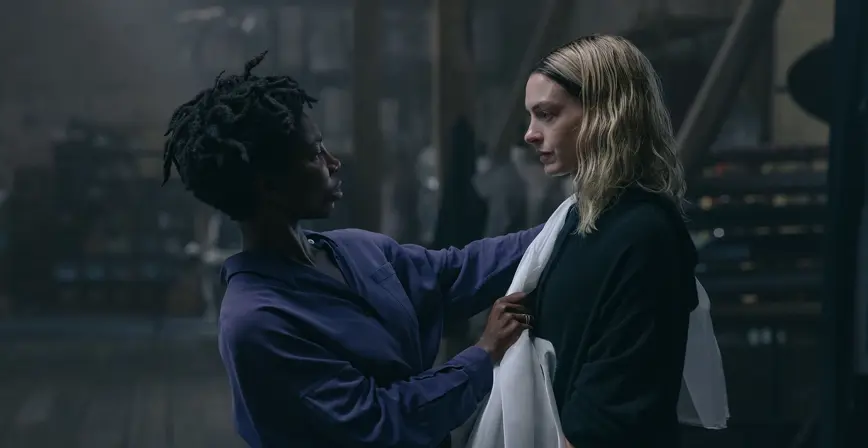
Book TicketsAfter a very public breakdown and years spent recoiling from the spotlight, musician Mary (Anne Hathaway) is making her triumphant return to the stage. To do so she needs the perfect dress, and her estranged friend and couturière Sam (Michaela Coel) is the only one who can deliver it. As the pair reconnect over one fraught night, they’re haunted by unresolved personal tensions and a paranormal entity. Over the course of the evening, what has come over the two of them unspools like a thread. Mary’s bewitching dance to her new song, performed just for Sam, precipitates her fall from musical grace. Talent has long been thought of as either a gift from God or a deal made with the devil. In Mother Mary, it’s both.
Regardless of where they derive their horrors, all of these films spotlight either a rising Gen-Z talent (Smile 2, Trap and Lurker) or, as in Vox Lux and Mother Mary, a legend making her comeback. Although Lowery’s movie is not hagiographic in the way today’s biopics often are, Mary’s costuming and posture – complete with a golden halo and hands closed in prayer around her microphone – imply sainthood. However, something has happened to her that has made her reject this heavenly public image.

In flashbacks at the height of Mary’s fame, she is overtly depicted as a religious leader. Both Sam and the spiritual medium Imogen (FKA Twigs) describe their experiences of Mary’s shows as equal parts sinful and holy. Vox Lux similarly explores how American society sanctifies its pop stars. Celeste’s status as a gun-violence survivor fast-tracks her fame. Her lyrics, written in recovery from the shooting, reflect the pain of a nation.
And yet, in true commercial fashion, her angelic voice is soon bastardised with autotune to create a palatable teen star. To become a global phenomenon, the singer’s unique, painful experiences must be stripped of their nuance and universalised so that millions can relate. Celeste spends years riding her own traumatic backstory to superstardom, but her statement to the press in the wake of another terrorist attack – that she has an ‘outpouring of love for… victims of violence everywhere’ – feels insincere. It’s a neutered phrase, picked up from her publicity team, that she parrots without emotion.

Celeste is not the only singer expected to be an ambassador for her fans’ traumas. During Lady Raven’s stadium concert in Trap, she encourages her supporters to release their anger towards someone who hurt them, then turn on their smartphone torches. The stadium lights up, showing that Lady Raven has solidified her place as her fans’ therapist and preacher. Like her peers, she understands the intense parasocial attachments her admirers have with her, and cares for them the way any dutiful civil servant would. Lady Raven soon pays for this open-heartedness, which is used against her when, shortly after her show, she is kidnapped by Josh Hartnett’s serial killer.

At the height of their fame, a celebrity is perceived by everyone but known by very few. For Mary, not even her team recognises what she’s feeling. They emptily praise her comeback dress despite the fact that she’s wriggling uncomfortably in it. It is for this exact reason that Mary abandons these yes men to visit Sam one last time. As becomes apparent, Sam was there at the beginning, helping her to create her Mother Mary persona; she is the only one who knows the real women behind the great star. Sam is painfully aware of what must be sacrificed to create a pop idol for the public’s enjoyment – she lost her own identity constructing Mary’s image, and struggled for years to find herself again.
It is common for these films to end with the star’s return to the stage to show that whatever they have dealt with is now behind them. But often what appears to be an encore is more like a final offering. For Lurker’s Oliver, who spent the entirety of the film trying to escape his clingy new posse member Matthew, his closing scene on the set of a music video demonstrates that he has, through gritted teeth, accepted Matthew’s place in his entourage. It’s pertinent that it’s a music video, instead of a concert, because it recognises that a star’s aesthetics are much more important than their performances nowadays.

During the scene, Oliver is relentlessly pelted with paint while the obsessive Matthew – who has both made and broken him – shoots this violent visualisation of their co-dependent relationship. Oliver’s image is elevated by Matthew’s creative touch, even as his presence is harmful. Although Vox Lux and Mother Mary’s final scenes don’t leave audiences with a literal representation of their pain like Lurker does, there is still an undercurrent of violence to each pop star’s comeback. Mary’s recent paranormal experiences and her struggle to regain control of her body are not visible to the fans dazzled by her image – but well known to us.
The fictional-pop-star movie is freed from the restraints of the biopic, magic and horror can fill the screen creating a larger-than-life figure with no fear of litigation. Unshackled from the need to appease an existing fanbase, filmmakers can look beyond their characters’ personas, and show us the hollowed-out people beneath, struggling to project their established image. David Lowery’s Mother Mary is a camp tale that’s devoted to the craftsmanship in the pop world, but it also delves into the darker side of the music industry to ask what blood, sweat and tears are spilled for Mary’s heavy halo.
WATCH MOTHER MARY IN CINEMAS
READ ON THE JOURNAL
Article
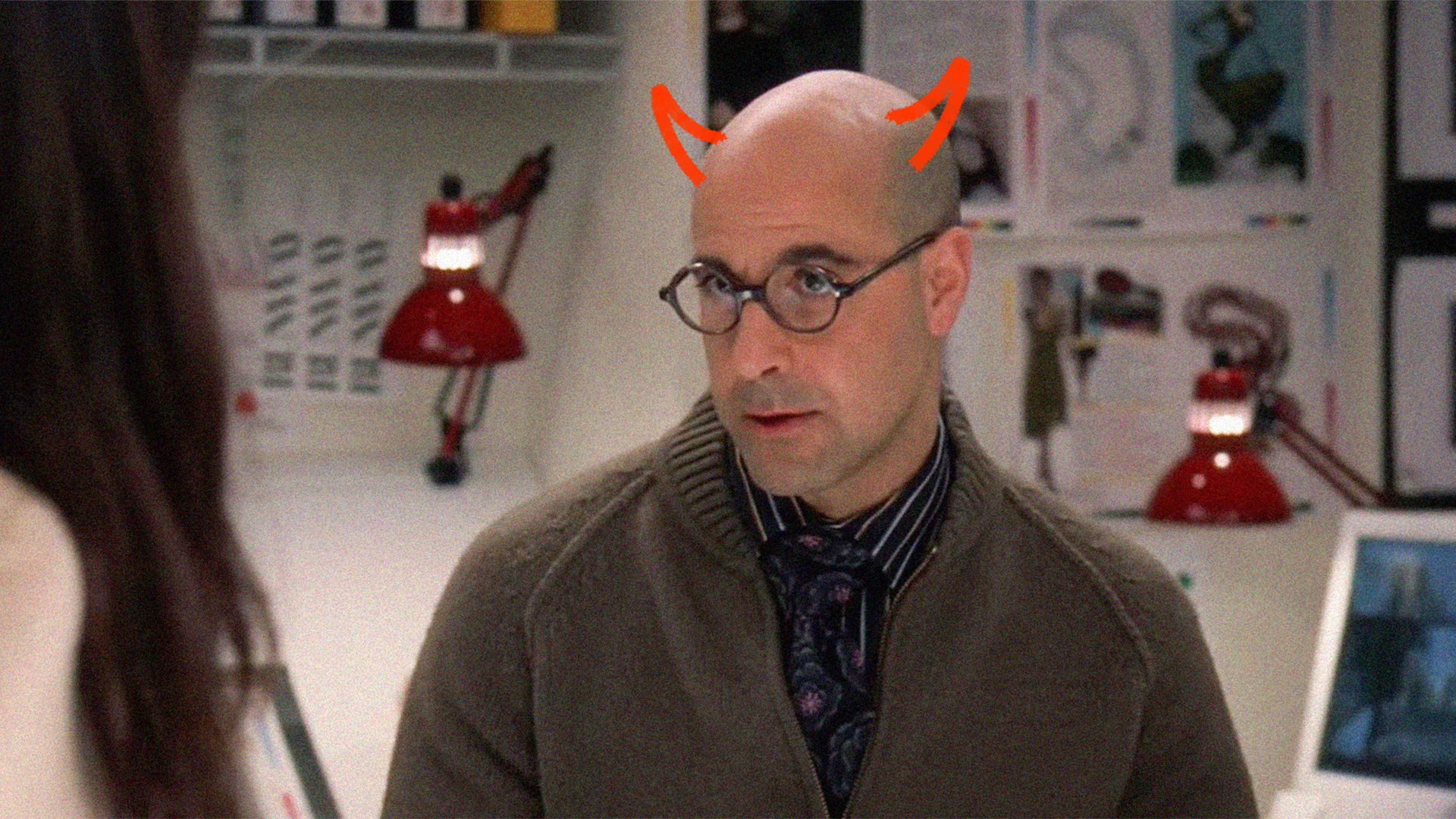
Nigel is the Real Devil Wears Prada Villain
Forget the boyfriend, Miranda Priestly’s art director Nigel is an incorrigible workplace bully who body-shames and belittles Anne Hathaway’s fashion-magazine ingénue, writes Yasmin Omar.
Review
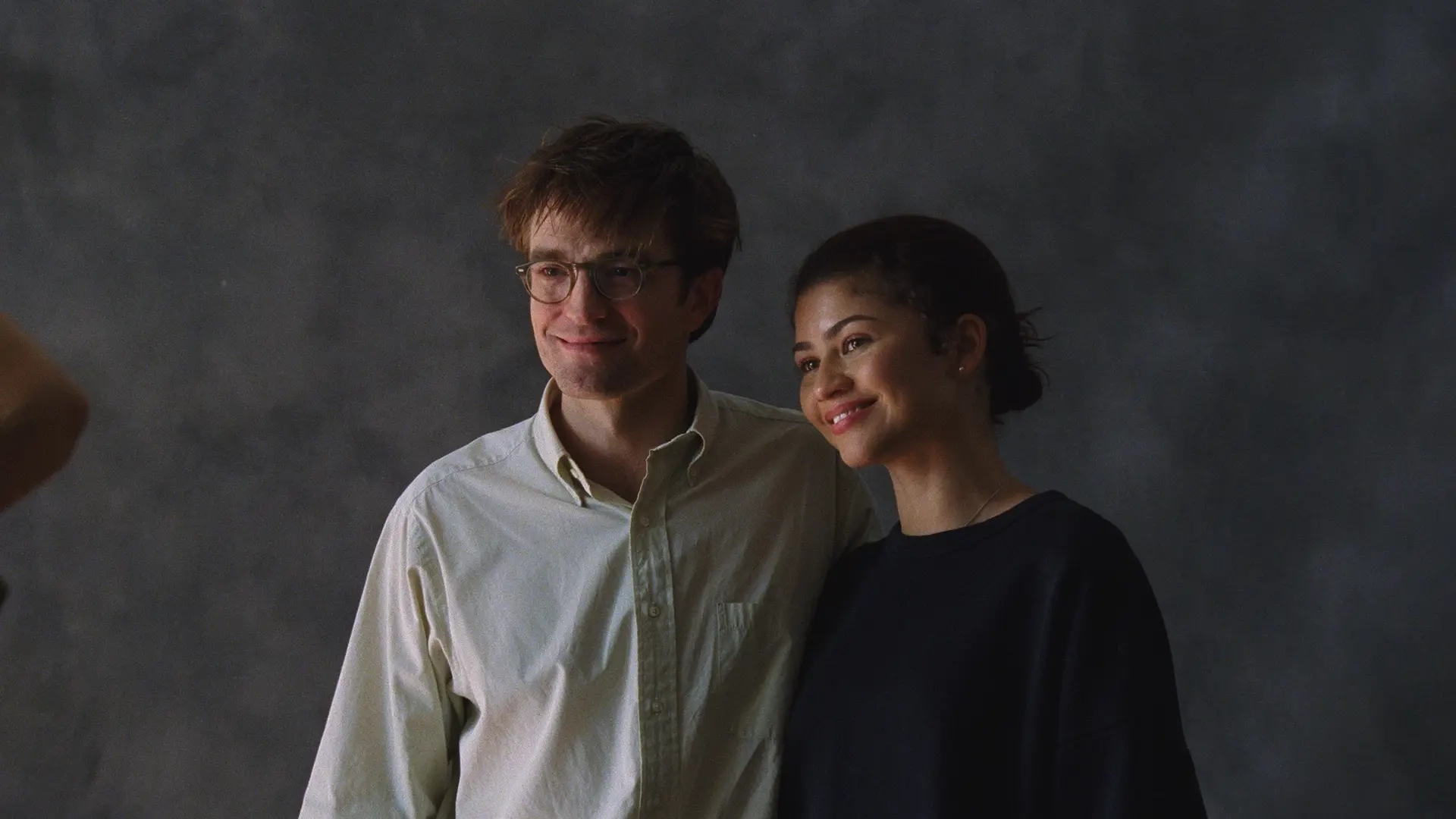
The Drama Review: A Bitterly Funny Anti Rom-Com
Zendaya and Robert Pattinson navigate wedding-week woes in Kristoffer Borgli’s pointed, provocative rug-pull of a film, writes Yasmin Omar in this spoiler-free review.
Article
The Rise of the Rom-Commentary
As we’ve seen with The Drama, romantic comedies that strike a chord today directly engage with pressing issues, from capitalism to sexual harassment. Charlotte Golzari investigates this spiky new subgenre.