
Kogonada’s Sense of Place
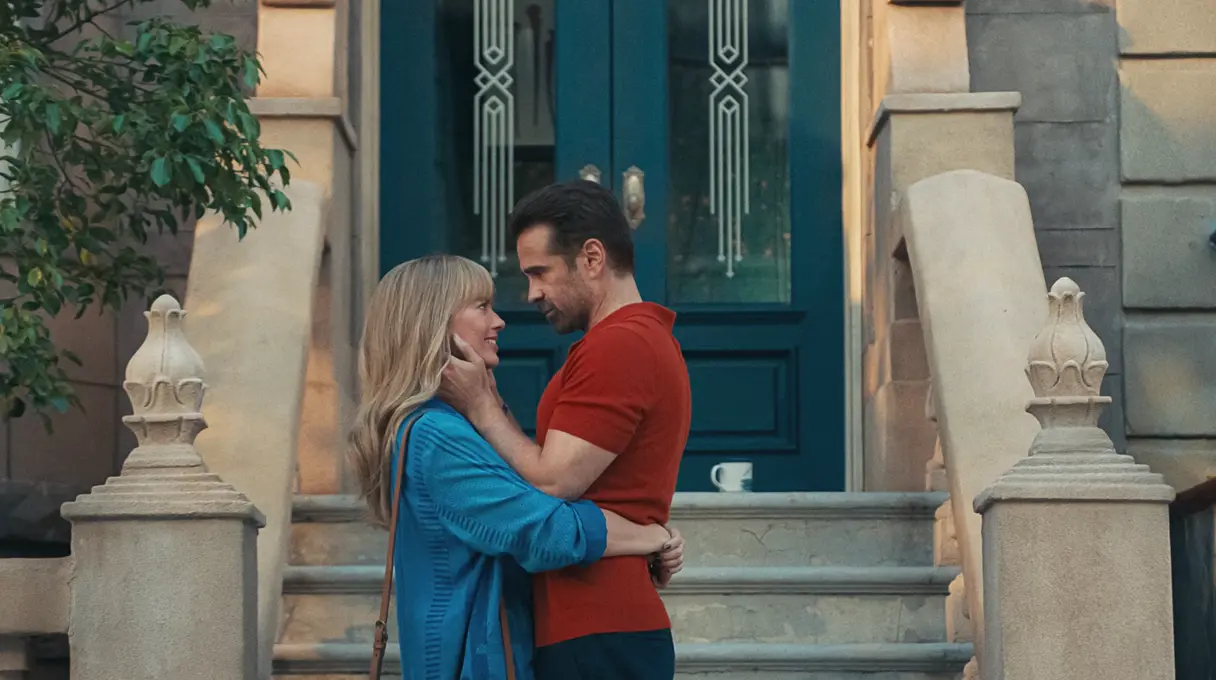

Architecture has always been a cornerstone of the filmmaker’s work, with production design influencing characters’ behaviour – or reflecting their emotions back to them. This idea is literalised in A Big Bold Beautiful Journey, where incongruous doorways transport our protagonists into their pasts. By David Opie
If you’re familiar with Kogonada, the Korean-American director behind Columbus (2017) and After Yang (2021), you’ll likely be aware of just how integral architecture is to his cinematic outlook. Columbus, for example, foregrounds classic modernist structures in each frame and the story alike, informing how the characters relate to the world around them – and, even more importantly, to each other. In After Yang, Kogonada goes from appreciating a modernist sense of place to prioritising the physicality of post-apocalyptic architecture through the film’s futuristic setting and a revamped Eichler home, which shape the behaviour of the family at its heart.

As important as these tangible constructions are to defining a sense of place within Kogonada’s work, it’s how architecture shapes the intangible that concerns him most. In both films, his characters reckon with absence, be it Casey (Haley Lu Richardson) leaving Columbus and Jin (John Cho) preparing for his father's death; or Colin Farrell and Jodie Turner-Smith’s family struggling to find purpose after their android breaks down and can no longer be repaired. It’s there in the parallel lines at Columbus City Hall that frame an emptiness that always existed, yet couldn’t be perceived before it was built. It’s there in the empty shots throughout After Yang that emphasise how hollow the family home feels now that Yang is gone. And it’s also key to Kogonada’s latest project, A Big Bold Beautiful Journey, which takes his preoccupation with architecture and the spaces it can form to fantastical new heights.
WATCH A BIG BOLD BEAUTIFUL JOURNEY IN CINEMAS
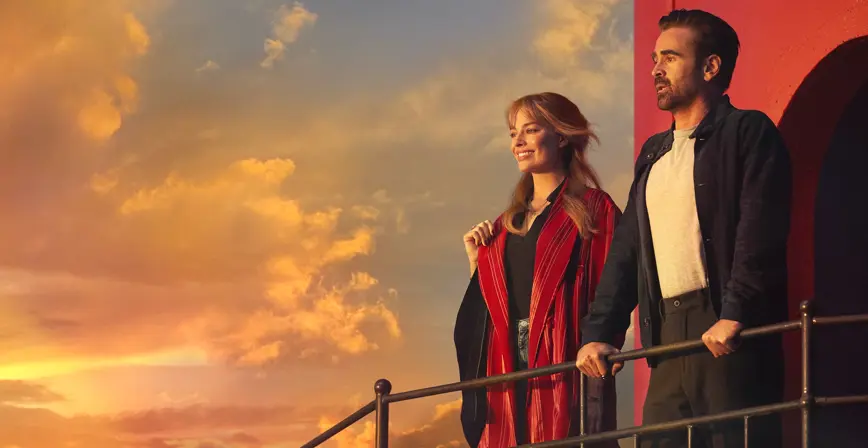
Book TicketsThe film, which reunites Kogonada with After Yang’s Colin Farrell, introduces us to David and Sarah who meet at a mutual friend’s wedding. So far, so rom-com, but things take a surprising turn when they end up on a journey through magical doorways that transport them to different life-changing moments from their pasts. Written by Seth Reiss – with Margot Robbie accompanying Farrell in her first role since Barbie (2023) – A Big Bold Beautiful Journey is distinctly the work of Kogonada in aesthetics and tone, despite its larger budget and wider canvas.
After that initial meeting at the wedding, cosmic forces throw David and Sarah together on a road trip that leads them to a strange door that stands entirely alone in the middle of a forest. Much like similar doors found in Makoto Shinkai’s Suzume (2022), it shouldn't be possible for this gateway to exist here in the way that it does. But unlike those doors, which Suzume fought so hard to close, A Big Bold Beautiful Journey encourages David and Sarah to do the exact opposite and step through to what lies beyond, despite any trepidation they may feel.

‘There are dead bodies [behind them],’ says David upon first encountering one of these doors. He’s joking, but he’s actually not far off – not entirely. Aside from this ominous foreshadowing, which pertains to Sarah’s story in particular, there are also various skeletons buried deep in these closets that David and Sarah proceed to confront together. One takes them a couple of decades prior to David’s time at high school, where he relives the moment a girl rejected his love for the first time. ‘It feels exactly like it felt that night,’ says David, visibly shaking off the raw pain he’s forced to relive first-hand. Another door takes them back to Sarah’s past, reuniting her with a mother she’s missed dearly since she passed away.
In both cases, the physical doors act as a gateway to other times and places, centring architecture as a means of transporting us to different worlds. Yet it’s not the structure of the doors themselves that matters – as fantastical and improbable as they might be – so much as it’s the space they form inside the door. Because what is a door frame if not emptiness shaped by possibility? Within that void lies endless potential, which manifests here in extremely expansive yet personal journeys that defy the natural order of things.

Before he became a filmmaker, Kogonada was already well known for the detailed video essays he crafted to navigate and showcase the work of cinematic greats he looked up to, including Wes Anderson, Terrence Malick and Stanley Kubrick. In ‘Ozu // Passageways’, one such essay dedicated to the Japanese master Yasujirō Ozu, Kogonada wrote: ‘The films of Ozu are filled with people walking through alleys and hallways – the in-between spaces of modern life. This is where Ozu resides. In the transitory. It’s what he values as a filmmaker. Alleys are not an opportunity for suspense but for passage.’
The same is also true for Kogonada himself. ‘If there is meaning in this world, I think it’s related to how we contend with absence,’ the filmmaker said in 2022. ‘If I’ve felt anything that’s hopeful, ironically, it is that it is absence that provides some meaning. That thing that used to scare me turns out to be what I need to engage.’ In the case of his latest story, the transitory emptiness of a doorway directly leads to a reckoning with absence and loss, considering the sadness that comes with letting go or looking closer at how unfulfilled dreams shape us today. As Farrell pointed out to Vanity Fair ahead of the film’s release, A Big Bold Beautiful Journey is ‘all about letting go of trauma – moving past it’. The interior structure of the various memories that these protagonists revisit helps them confront that loss up front, and there’s healing to be found in that.

There’s a scene in Columbus where Jin addresses this by reciting the work of architect James Stewart Polshek from a book found in his father’s room. ‘He had this idea, Polshek did, of architecture being this sort of healing art. That it had the power to restore and that architects should be responsible.’ Whether Jin believed that or not, it’s clear that Kogonada does. In A Big Bold Beautiful Journey, this idea that’s so central to the ethos of his work has been taken to its most literal extreme, embodied by doorways that heal us by reflecting inwards. And through expressing that, by combining his love for architecture with the restorative power of cinema itself, Kogonada uses structural elements of the physical world to help us just as much as they do his characters.
WATCH A BIG BOLD BEAUTIFUL JOURNEY IN CINEMAS
RELATED ARTICLES
Review
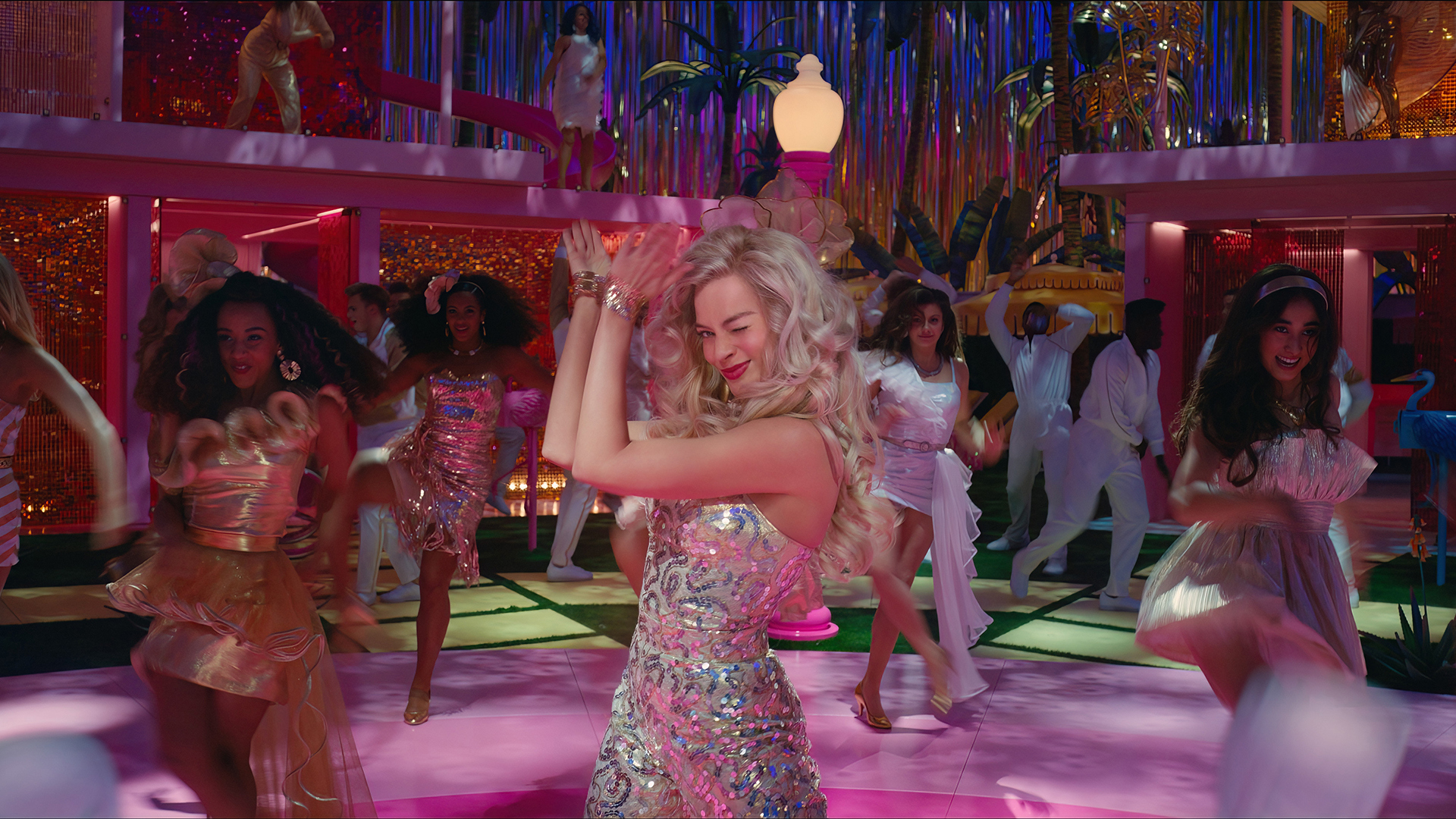
Barbie Review: A Smart, Knowing Comedy That Glitter Bombs Gender Constructs
Article
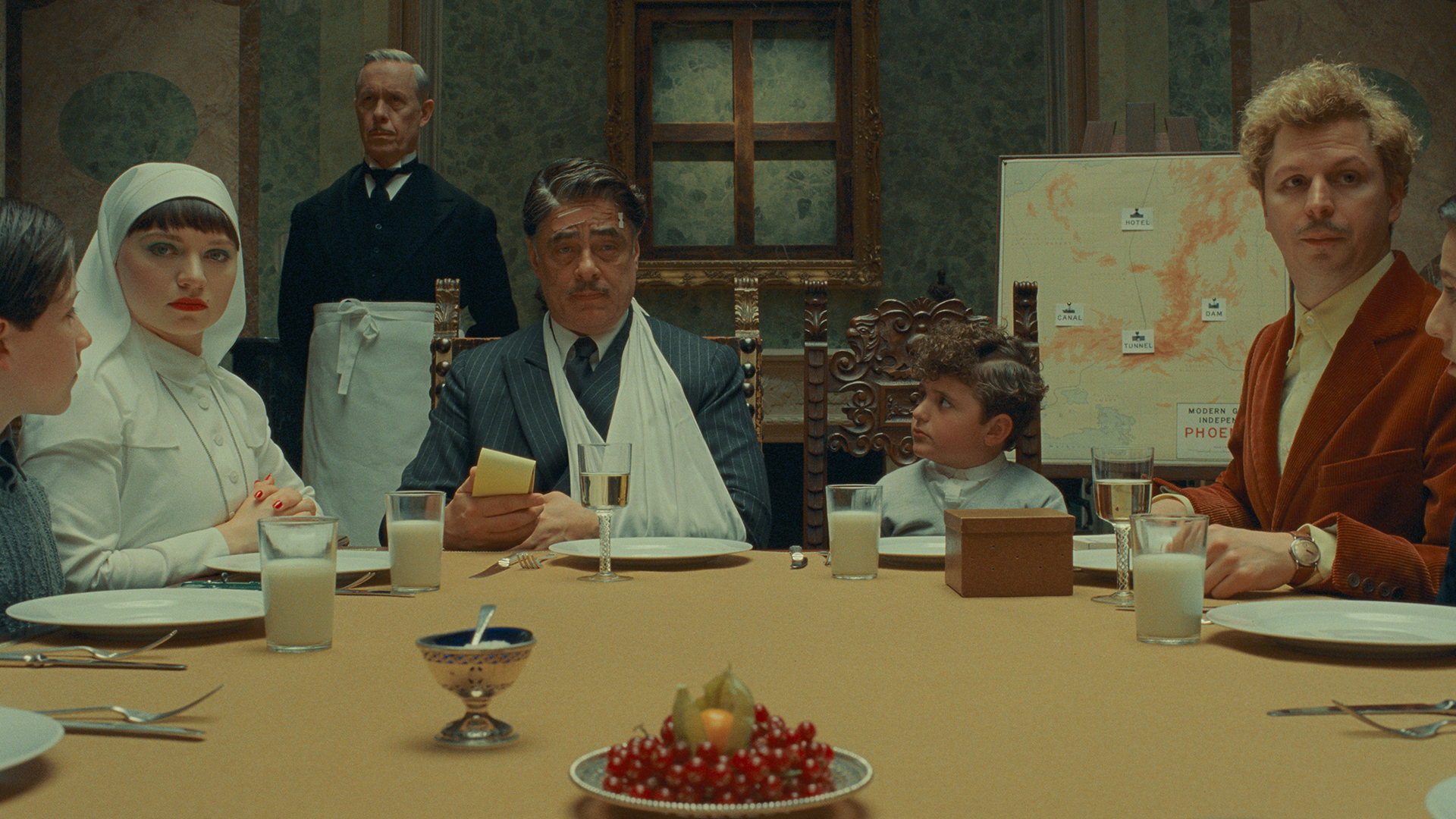
Wes Anderson’s Fractured Families
As the celebrated director explores a dysfunctional father-daughter relationship in The Phoenician Scheme, Laura Venning considers Anderson’s fascination with absentee parents, warring siblings and emotionally repressed patriarchs.
List
Best Unfilmable Book Adaptations
One Battle After Another continues in the long tradition of films attempting to bring unfilmable books to the screen. Ian Haydn Smith casts an eye over the complicated relationship between cinema and the more challenging examples of the written word.