
Sentimental Value & the Fallacy of Eldest Daughter Syndrome
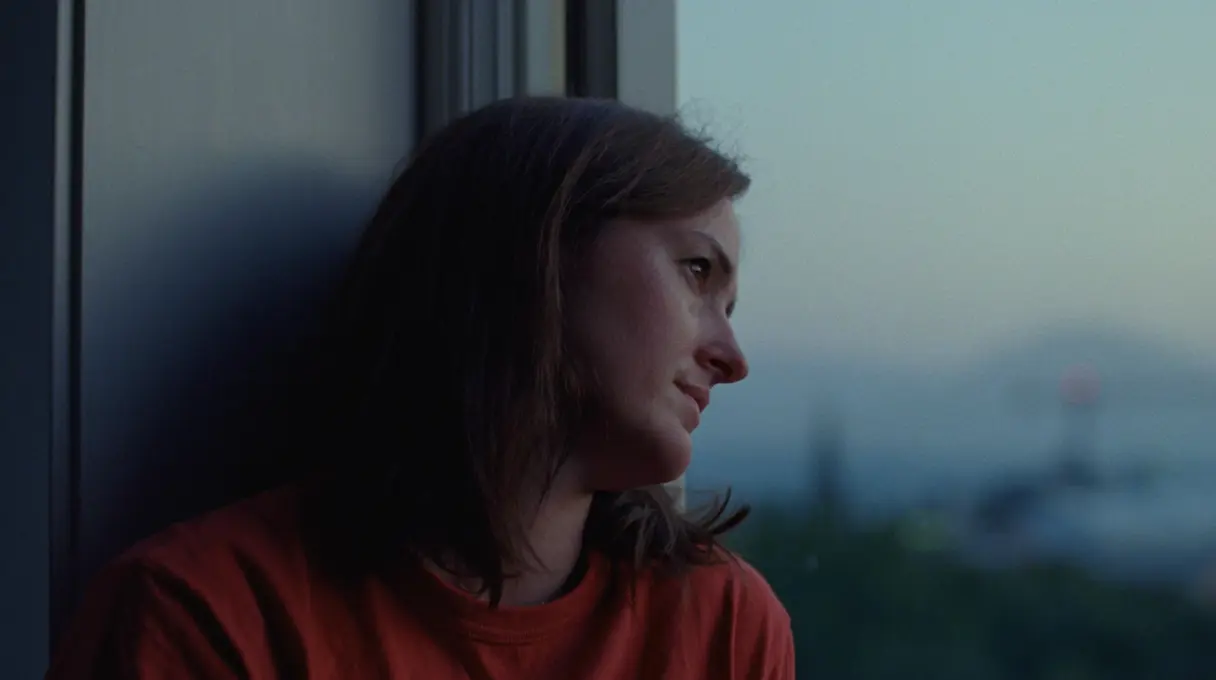

Putting paid to internet theories about family dynamics, Anna McKibbin explores how the eldest daughter at the centre of Joachim Trier’s Cannes-winning drama is shaped by her difficult childhood – but learns to overcome it.
The sensible, domineering eldest daughter has been a reliable character type for decades, as evidenced by everyone from Kat (10 Things I Hate About You, 1999) to Elsa (Frozen, 2013). Recently, though, these women’s role in the family unit has been under scrutiny, thanks to a flood of memes summarising what they offer and what is expected of them.
According to these somewhat flattening online definitions, eldest daughters were burdened with extra caring and domestic responsibilities as children, and now suffer latent anger issues. The trend seemingly culminated in Taylor Swift’s (bad) 2025 song ‘Eldest Daughter’, featuring the lyric ‘Every eldest daughter was the first lamb to the slaughter’. Without much subtlety, the words – and this cultural phenomenon more generally – indicate that first-born women disproportionately shoulder household burdens.
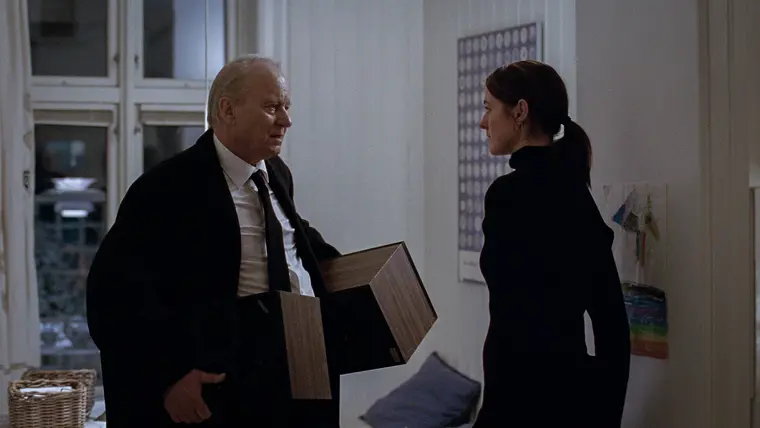
But an altogether different view of family dynamics, and how eldest daughters respond to them, arrived months before Swift’s song. Joachim Trier’s Sentimental Value, which won the Grand Prix at the Cannes Film Festival, is a moving drama centred on the Borgs, an artsy, bourgeois Oslo family. Renate Reinsve’s eldest daughter Nora is more than a type-A stereotype. Inga Ibsdotter Lilleaas’ Agnes, for her part, is more than the chaotic, rebellious younger sibling.
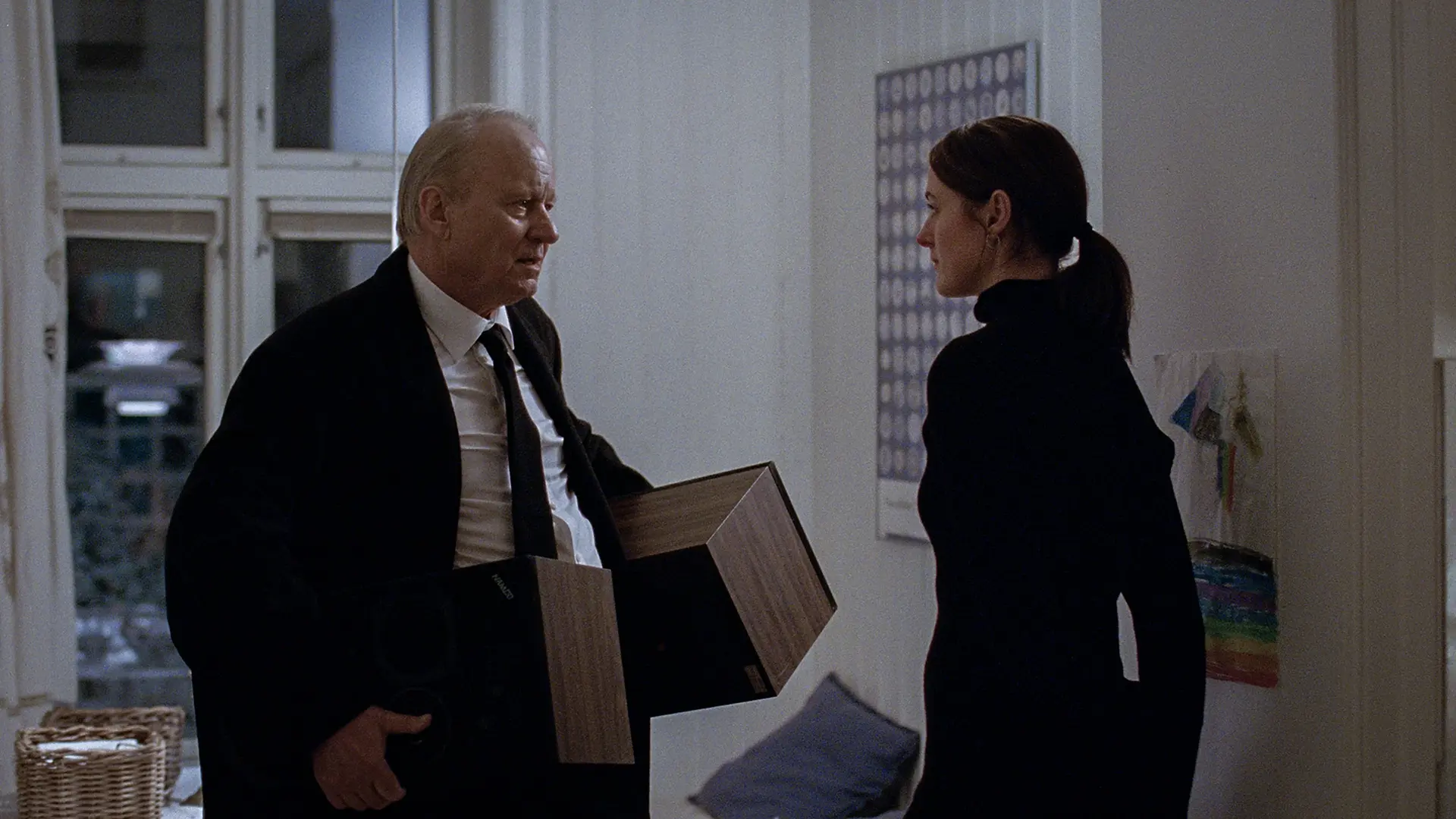
Trier explores how these characters reckon with their role in the family structure. The film opens with Nora and Agnes grieving their late mother and coping with the reappearance of their estranged father, the acclaimed director Gustav (Stellan Skarsgård). As both women pack up their childhood home, Gustav informs them that his new movie will be an autofictional excavation of his tumultuous relationship with his mother – and he wants both of his daughters to be involved.
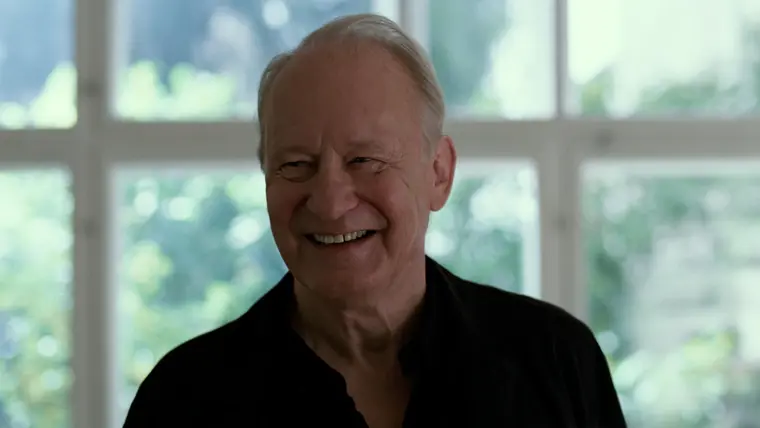
Nora and Agnes respond to this news in markedly different, equally human ways. The former, a stage actress by trade, flees, refusing Gustav’s offer to perform in the film; while the latter works tirelessly to appease him as his historical researcher. These divergent attitudes are clear early on when they discuss their father’s upcoming shoot. ‘The film he wrote for me?’ Nora asks, dismissively. ‘Yeah, the part you didn’t want,’ Agnes fires back, filtering the same event through her sister’s rejection, and the subsequent family upset.
The siblings’ similar but different personalities reflect and reject aspects of their upbringing. Nora is reluctant and noncommittal where Agnes is the eager peacemaker. Their age gap affected their development, since Agnes was shielded from their parents’ acrimonious divorce and Nora was overly exposed to it. Their father’s selfishness and mother’s breakdown are ever present for Nora, but her younger sister cannot remember their shared history in the same detail.
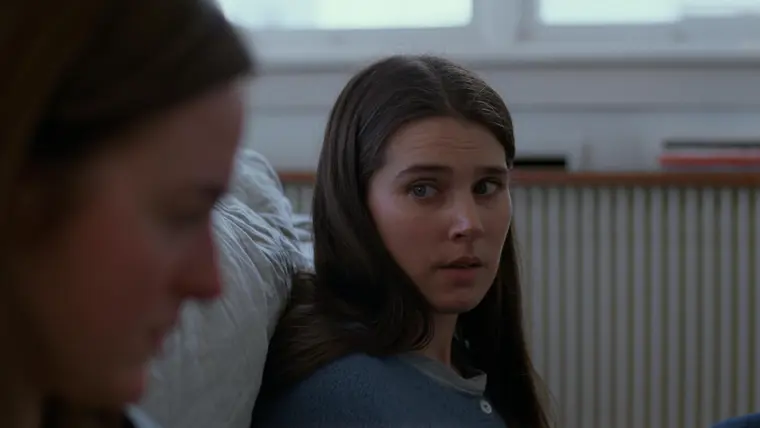
The emotional weight of this separation cannot be evenly distributed between the sisters, and it shapes Borg-family relationships. Nora channels her hurt into barbed jabs at her father, but Agnes is determined to hold their splintered family together, chastising Nora when she goes too far (‘Don’t exaggerate,’ she admonishes when her sister hisses ‘You don’t even know us’ at a stunned Gustav). The sisters' fight here isn’t a fight so much as a painful acknowledgement that their childhood experiences diverge, affecting them in distinct ways. Communication between them is frozen solid for a few months. Nora, immobilised by grief, refuses to leave her house or perform in the play she’s leading.
Everyone expects Nora to gracefully forgive her father for his years-long absence, arguably because she’s the eldest daughter. These caregiving instincts come to the fore when she finally meets Elle Fanning’s Rachel, the American actress hired to replace her in Gustav’s film. A vulnerable Rachel expresses concern about being up to the challenge of the role, because she's typically been a franchise-movie star. ‘I just don’t want to disappoint him,’ she admits.
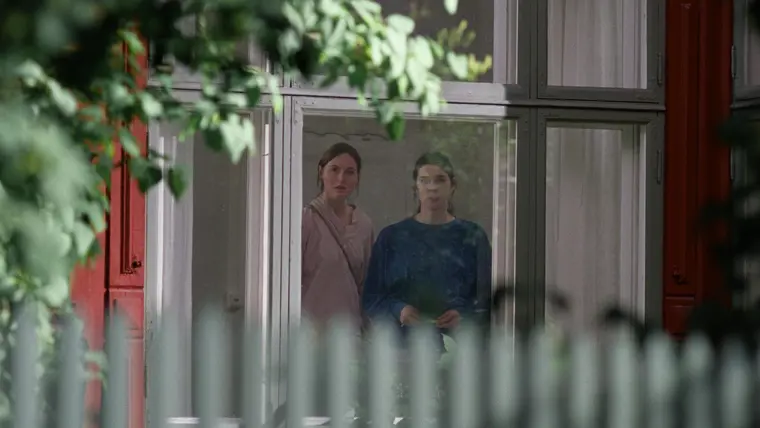
The camera holds steadily on Nora at this point, whose features briefly fall when Rachel glances away. She rearranges her face to offer Rachel encouragement: ‘You’d be stupid to walk away.’ In this small moment, the audience has insight into the emotional labour Nora performs to catch those abandoned by her distant father. We understand her retreat from family life in this short exchange, which hints at her overburdened youth.
Nora’s difficult upbringing is the root cause of her occasionally prickly behaviour, but she’s also subconsciously dealing with intergenerational trauma. One afternoon at the national archives, Agnes works to fill in the gaps of her father’s period-set script. There, she discovers how her grandmother was brutally tortured, punished for her involvement in the Nazi resistance. The record of her torture, complete with photographed government reenactments, precedes the stark revelation that she took her life 15 years later.
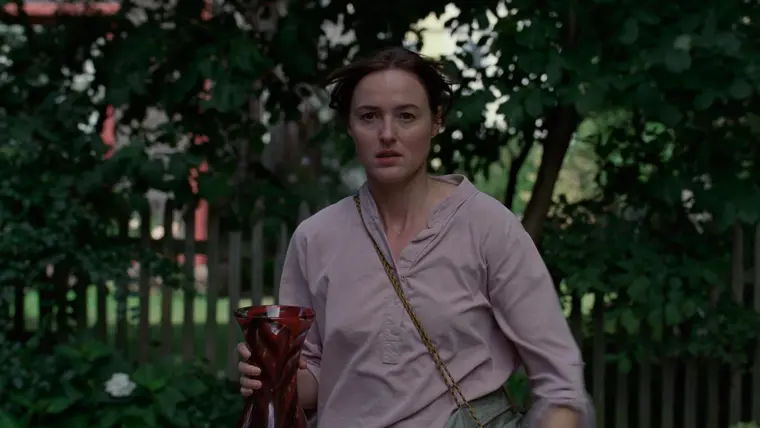
This revelation dissipates the ongoing Borg-family drama, which is dwarfed by the tragedy of their collective loss. Suddenly Gustav’s unwillingness to stay cooped up in their ancestral home, Nora’s inability to commit to a family that could abandon her and Agnes’ determination to hold everyone together all falls into place, forming links in a chain from Nazi-occupied Norway to the present day.
As Sentimental Value hurtles towards its conclusion, it’s clear that any catharsis for these characters will only be achievable by exploring how their lineage connects them. Like most internet psychology, the eldest-daughter phenomenon doesn’t aim to give people new ways of parsing their relationships. Instead, it helps them identify flaws and displace blame for their shortcomings: eldest-daughter memes double as an excuse to forsake personal responsibility.
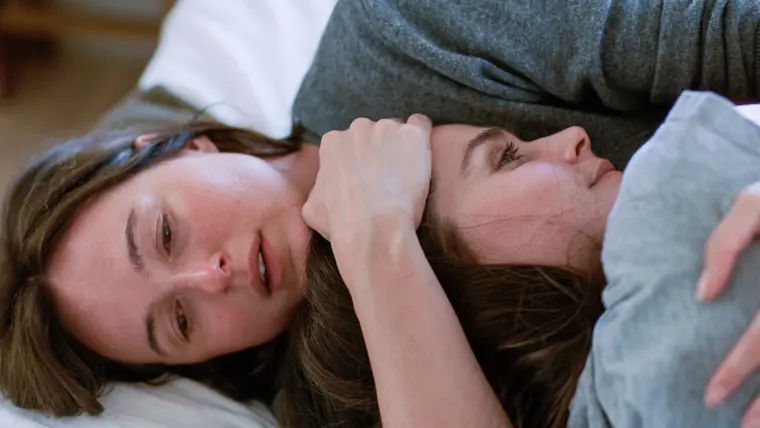
Eventually, Agnes admits that her happy marriage, simple in comparison to Nora’s tempestuous affair with a married colleague, was made possible by her older sister’s generous care in the wake of their parents’ divorce. ‘There’s one major difference in our childhood. I had you,’ Agnes says, tears sparkling in the corner of her eyes as she soothes an exhausted Nora. This touching scene – the emotional climax of the entire film – ends with Agnes burying into her sister’s chest, both their bodies angular across an unmade bed. In this moment of intimacy, the sisters seem to return to childhood. They comfort the damaged little girls they once were.
Part of the problem with the internet’s eldest-daughter trend is its refusal to recognise nuance. Sentimental Value, by contrast, resides in nuance, developing rich, credible characters with relatable problems. The film is a sincere, empathetic ode to a family fractured by trauma but reunited by love. Nora and Agnes, as inheritors of the Borgs’ complicated history, must stand together to ensure their survival.
WATCH SENTIMENTAL VALUE IN CINEMAS
READ ON THE JOURNAL
Interview
How the Sentimental Value House was Designed
The centrepiece of Joachim Trier’s sensitive drama is a characterful family home that has been passed down for generations. Here, production designer Jørgen Stangebye Larsen tells Ian Haydn Smith how he evolved its look to indicate the passage of time.
Review
Marty Supreme Review: A Portrait of the Athlete as a Young, Selfish Man
In his most self-referential role to date, Timothée Chalamet is a cocky table-tennis player hungrily chasing success in a panic attack of a movie.

Interview
Wicked: For Good’s Jon M Chu on Saying Goodbye to the Franchise: ‘I Was Bawling’
As the director concludes his fantastical musical saga, he discusses seeing the stage play before its Broadway debut, relating to Glinda and bidding farewell to Oz. By Lillian Crawford