
City Heat: An Exploration of Urban Cinema

This summer sees the launch of the Curzon Film Club – a brand-new way for audiences to experience the greatest cinema of all time on the big screen. Throughout the year, the club will offer a series of themed strands, including this season’s Summer in the City, a selection of films unfolding in the world’s most iconic metropolises. Here, Guy Lodge celebrates some of the finest evocations of sunbaked cities on film.
Ask many people which films capture summer for them and their minds will go toward holiday stories in tranquil locales – be it the New England island camp of Wes Anderson’s Moonrise Kingdom (2012), the chic Saint-Tropez villas of Jacques Deray’s La piscine (1969) or the increasingly panicked resort town of Steven Spielberg’s Jaws (1975). Exotic wish-fulfilment or the terror of the unfamiliar: much summer cinema is built on such intrigue. But what of summer in the city? Those films that capture the rising heat and sweat levels in crowded urban environments, where tourists are outnumbered by those in sore need of a vacation? For me, the season is often most vividly captured by films that offer no sense of relief or escape, where the temperature intensifies the already relentless bustle and pressure of a great metropolis.

Take Sidney Lumet’s sweltering heist drama Dog Day Afternoon (1975), 50 years old this year, which unfurls in New York City during the kind of late-August heatwave where all those who can escape to cooler, calmer climes. The people left behind risk going a bit crazy in the thick humidity, and it’s certainly a sense of addled, haywire desperation that drives this true story of Al Pacino’s amateur crook, Sonny Wortzik, staging an ill-conceived bank robbery in Brooklyn, with escalatingly frantic consequences. Could this tale have played out as it did in the dead of winter? Perhaps. But Lumet’s film makes tangible a certain seasonal level of stress, among characters too hot and bothered and wired to think too far ahead. In truth, the film was actually shot in the autumn – between September and November – but you’d never know it.

New York remains the inarguable capital of summer-in-the-city movies: at its hottest, something about its height and pace and density makes the sidewalks veritably sizzle and tempers flare accordingly. Longtime New Yorker Spike Lee caught that precise tipping point in both Summer of Sam, his underrated 1999 portrait of a city in the fevered grip of serial-killer terror, and most famously in his 1989 masterpiece Do the Right Thing, where temperatures pushing 40 degrees aggravate already fraught racial tensions in a diverse Bed-Stuy community into outright violence, soundtracked by the blare of Public Enemy on a passing boombox. (Lee’s upcoming film is Highest 2 Lowest, a Big Apple remake of Akira Kurosawa’s 1963 thriller High and Low, a taut kidnapping procedural set against a sticky Yokohama summer. If anyone can translate that atmosphere to NYC, it’s Lee.)

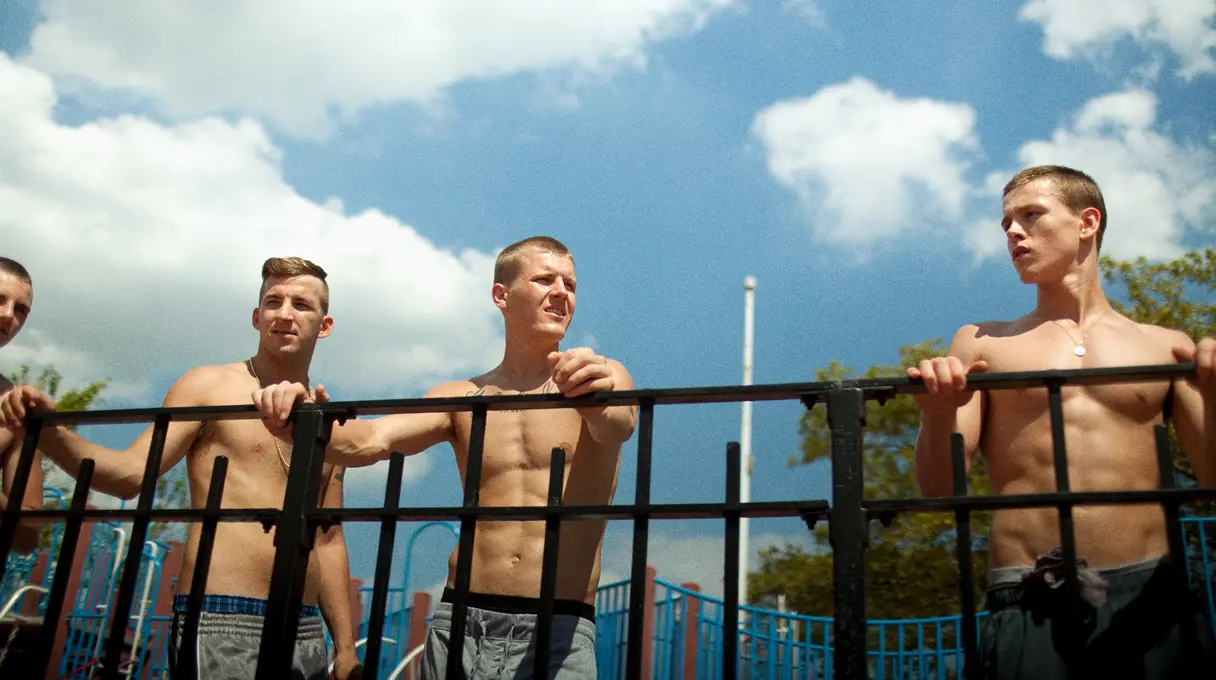
There’s a different air of humid Brooklyn restlessness to Eliza Hittman’s Beach Rats (2017), in which Harris Dickinson’s young, queer, insecure teenager hangs about the kind of down-at-heel urban beaches to which nobody goes on holiday, his sexual freedoms swallowed by the paranoid closeness of the city. It’s a far cry from the jubilant realisation of romantic possibility that springs from every suntanned pore of the ensemble hit In the Heights (2021), Jon M. Chu’s glowing film version of Lin-Manuel Miranda’s musical about a Dominican community pursuing a better life over the course of one long New York summer, or in Billy Wilder’s The Seven Year Itch (1955), where certain liberties are presented to Tom Ewell’s middle-aged New York businessman after he is left to his own devices when his family flees the steaming city to summer in Maine. (Hint: it’s the one with Marilyn Monroe cooling herself over a subway grate in that billowing white dress.)
London may not usually experience that kind of pressure-cooker summer, but the spry Ealing Studios comedy Passport to Pimlico (1949) hinges on a stifling exception. Set against the backdrop of a record-breaking heatwave in 1947, in which, by strange circumstance, a small district of Westminster is declared independent from the rest of England and thus exempt from postwar rationing – though when their water supply is cut off in the soaring heat, resourceful solutions must be found. It’s an ode to both British community and parched summer madness, though it had to be filmed in the unusually wet summer months of 1948.

It’s a very different city to the one presented in the unnerving and increasingly prescient The Day the Earth Caught Fire (1961), which finds a journalist watching a man-made environmental catastrophe ignite London and the rest of the world. Warm weather also sets off the itchy, vibrant clash of punk and soul cultures in east London in Isaac Julien’s landmark debut Young Soul Rebels (1991) – which takes place during the summer of the Queen’s Jubilee in 1977, but is preoccupied with a newer model of Britain. In Andrea Arnold’s Fish Tank (2009) and Bird (2024), meanwhile, long summer days enable journeys of self-discovery undertaken by heedless teens left to their own devices in London’s woolly suburban fringes.

Travelling further afield, Chungking Express (1994) may technically be set more in spring than summer, but Wong Kar-wai’s dizzy, luminous diptych of lovesick Hong Kong police stories feels hot and flushed with high-season desire, shaped by the unpredictability of social contact in a vast, heaving city and infused with the taste of (canned) tropical fruit. Of course, if you want the rush of a summer-in-the-city film with the escapism of a summer-holiday movie, look to those unfolding in certain European hotspots. In Before Sunrise (1995) and Before Sunset (2004), one summer day adrift in
Vienna and Paris, respectively, is enough to spark a long-running love story for the ages. In David Lean’s glorious Summertime (1955), meanwhile, the eternally sinking splendours of Venice – a city, yes, but one defined more by fantasy and romance than hustle and bustle – spark unprecedented yearnings and a revitalised sense of self in Katharine Hepburn’s single, buttoned-up American abroad. In the right cinematic city, even on a scorcher, you can find some kind of bliss.
This article originally appeared in the Curzon Summer Journal. Pick up your limited-edition copy of the magazine in your local Curzon for free while stocks last.
RELATED ARTICLES
Article
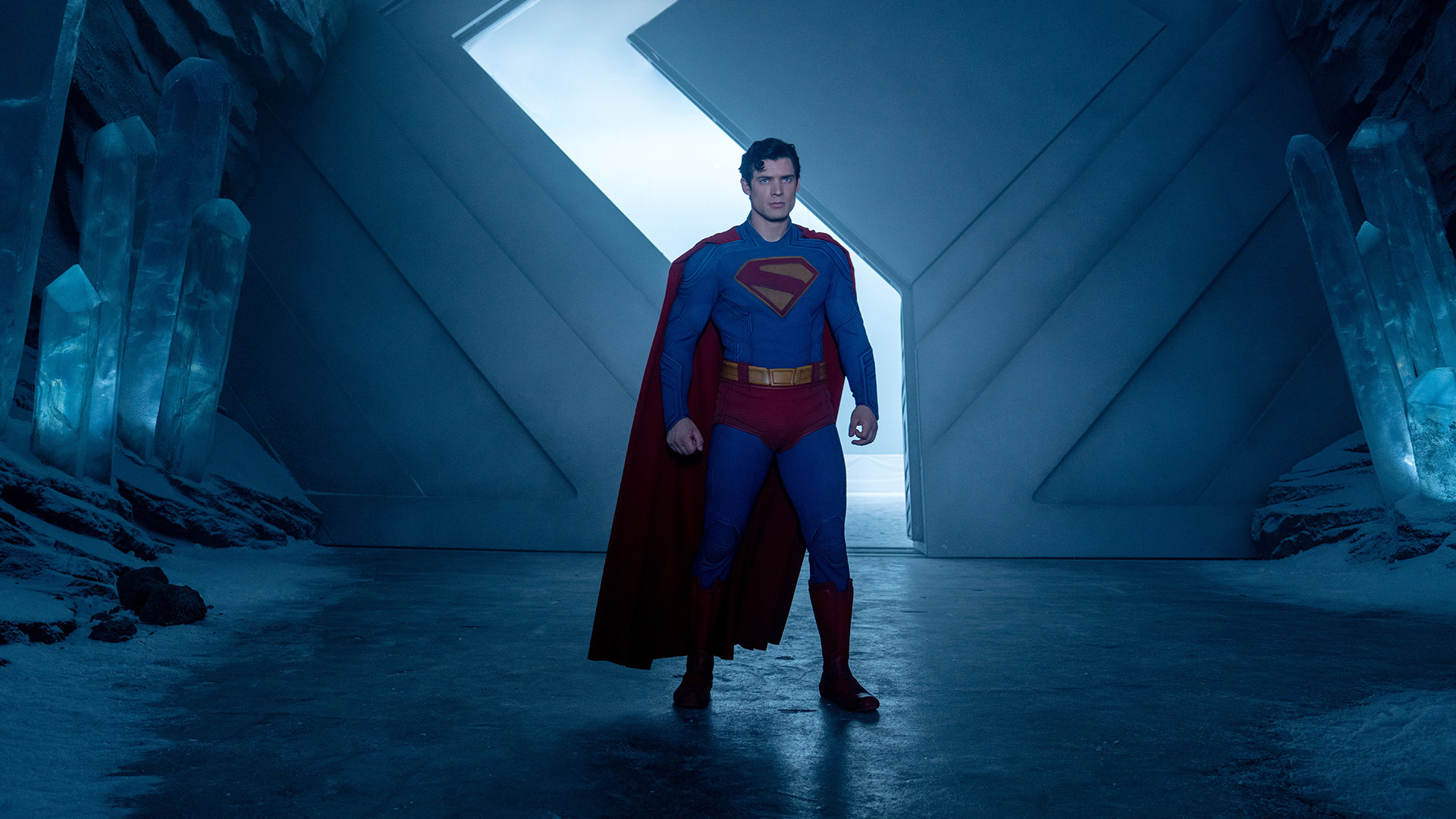
How to Create a Superhero Universe
Superhero summer is upon us with Superman and The Fantastic Four: First Steps. Here, Helen O'Hara gives studio executives some (mostly) helpful advice on how to build an interconnected cinematic universe that'll keep audiences invested.
Article
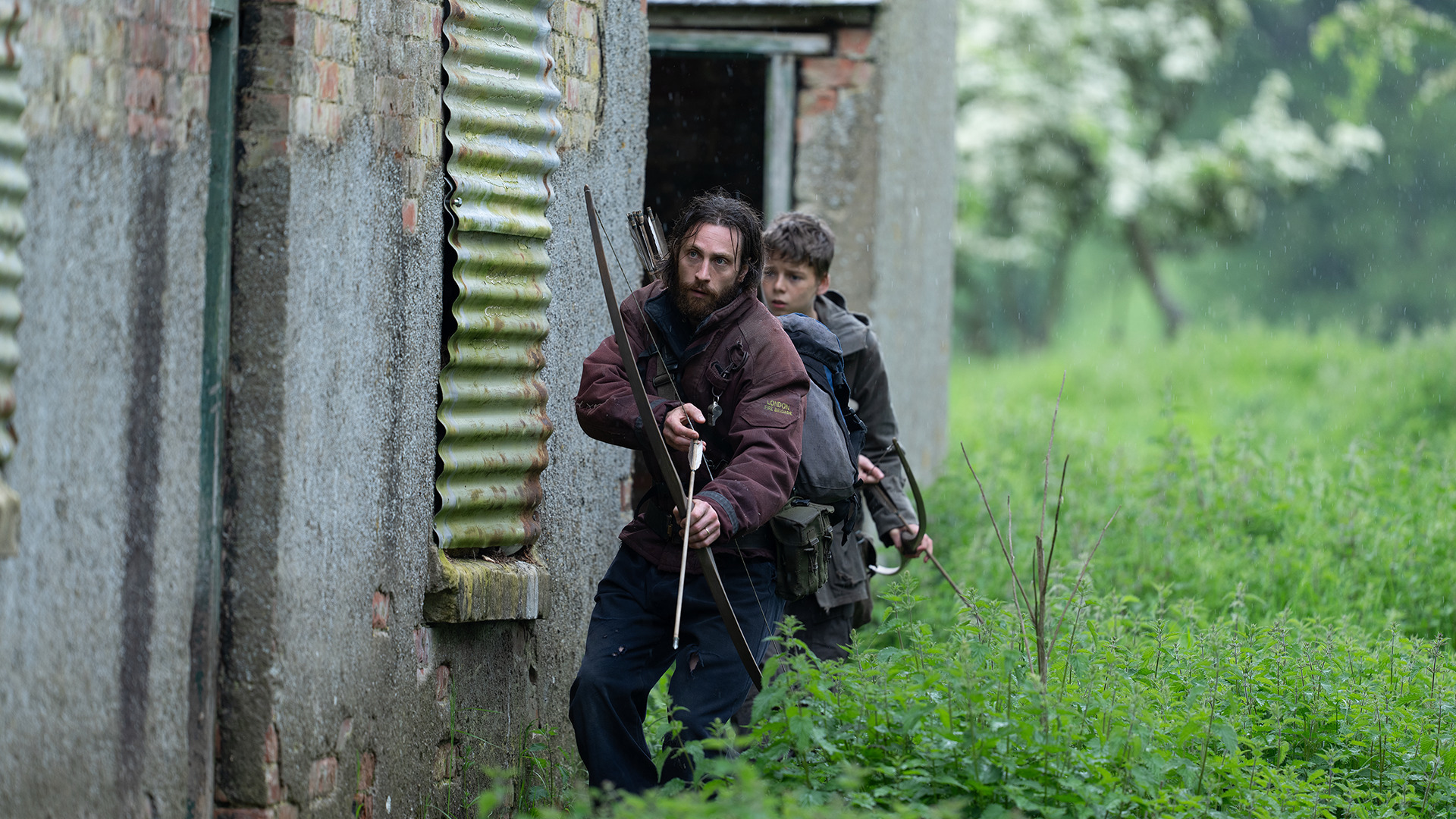
How 28 Years Later Created a Believable, Post-Apocalyptic World
Supervising location manager Camilla Stephenson scoured Britain and Ireland’s untrammelled countryside, and rewilding estates, to find suitable settings for this skin-crawling zombie horror. By Ian Haydn Smith

Article
Jurassic Park’s Gothic Monsters
With its horrifying creatures, monomaniacal scientists and suspicion of technological progress, the blockbuster action franchise – and Jurassic World: Rebirth – owes a lot to Gothic storytelling traditions, writes Billie Walker.