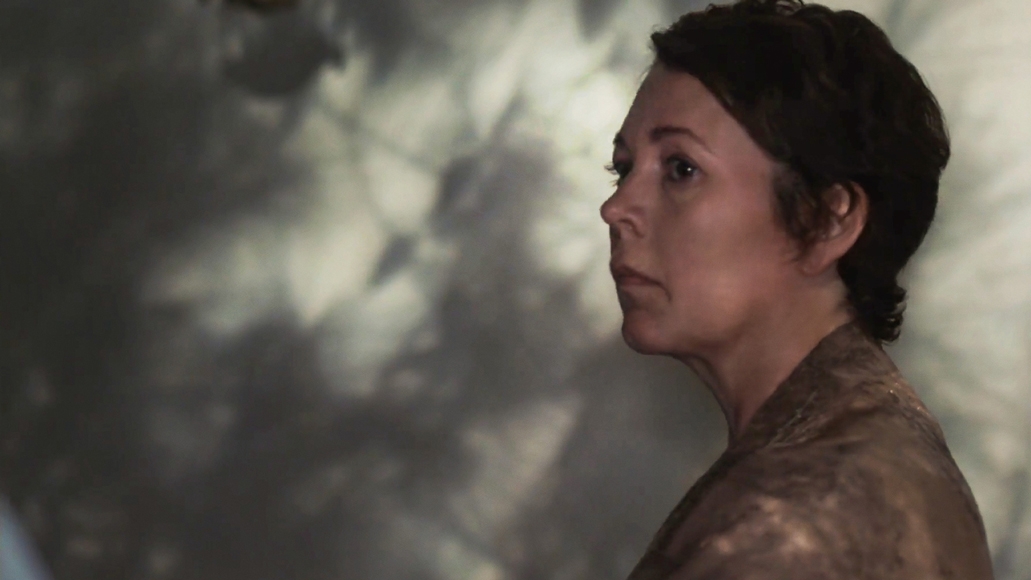
Alone on a seaside vacation, Leda becomes consumed with a young mother and daughter as she watches them on the beach. Unnerved by their compelling relationship, (and their raucous and menacing extended family), Leda is overwhelmed by her own memories of the terror, confusion and intensity of early motherhood. An impulsive act shocks Leda into the strange and ominous world of her own mind, where she is forced to face the unconventional choices she made as a young mother and their consequences. "When I read the novel, The Lost Daughter, something came through to me that was very strange and painful but also undeniably true. Some secret piece of my experience as a mother, as a lover, as a woman in the world was being spoken out loud for the first time. And I thought, how exciting and dangerous to create an experience like that—not quiet and alone with a book—but in a room full of living, feeling people. What would it feel like to sit next to your own mother or husband or daughter or wife as common feelings and experiences that have been kept hidden are exposed? Of course, there’s a terror and a danger in relating to someone struggling through things that we’ve been told are shameful or ugly. But when those experiences are put up on screen there’s also the opportunity to feel comforted—If someone else has these thoughts and feelings, maybe I’m not alone. This is a part of our experience that is only articulated rarely, and mostly through aberration, disjuncture, or dreaming." -- Maggie Gyllenhaal