
25 Best LGBTQ+ Films

From camp, Classic Hollywood melodramas laden with innuendo to the lo-fi queer indie scene of the 1990s, and the gradual mainstreaming of queer culture since the millennium, LGBTQ+ cinema has continued to evolve across the decades. Its characters are no longer solely confined to the roles of terrifying sexual deviant, tragic victim tortured by their own desires or token best friend. With more openly queer filmmakers than ever before telling life-affirming and genuinely life-changing stories about LGBTQ+ lives, these characters get to be as three-dimensional, flawed and fully human as their straight counterparts. It’s never been a better time for queer cinema and, to celebrate Pride Month, here are some of the best LGBTQ+ movies of all time.
Carol (2015)
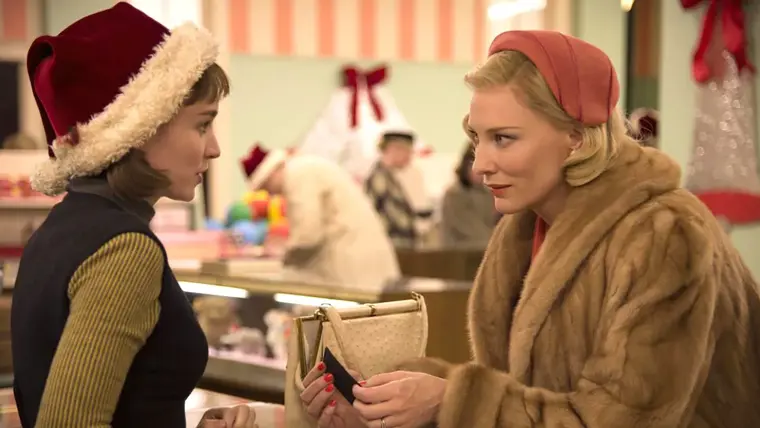
A key figure of the New Queer Cinema Movement of the early 1990s, writer and director Todd Haynes had already made a major impact on LGBTQ+ audiences with films like Poison (1991), Velvet Goldmine (1998) and Far From Heaven (2002). But his adaptation of Patricia Highsmith’s 1952 lesbian novel The Price of Salt was nothing short of a cultural moment for queer women. The story of the intense affair between Therese (Rooney Mara) and Carol (Cate Blanchett) is tender and deeply romantic, and, if that wasn’t enough, it’s also a Christmas film, giving us respite from all the usual heterosexual festive fare.
Portrait of a Lady on Fire (2019)
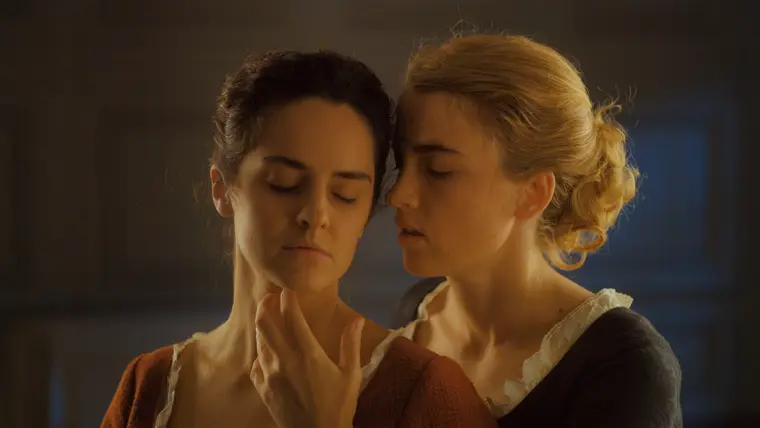
‘Do all lovers feel they’re inventing something?’ In Céline Sciamma’s utterly bewitching Queer Palm-winning period romance, Marianne (Noémie Merlant), a young artist in 18th-century France, is commissioned to paint the portrait of noblewoman Héloïse (Adèle Haenel) to celebrate her betrothal. It isn’t long before they fall for each other, and Merlant and Haenel have scorching chemistry as these forbidden lovers. The characters also subtly interrogate the repressive patriarchal society they live in, whether through helping their servant with an abortion or disrupting the gaze of a male portrait artist.
Moonlight (2016)
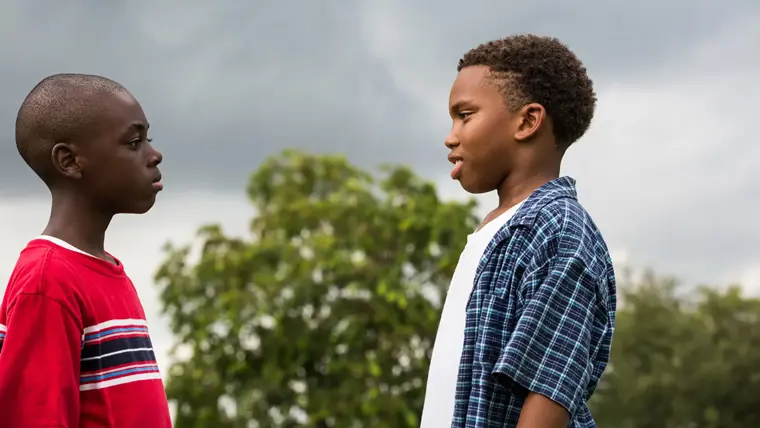
Probably the most important queer film of the 21st century, Barry Jenkins’ triptych of a queer Black man’s coming of age in all its tragedy and grace has lost none of its impact a decade later. Drawing on Wong Kar-wai’s In the Mood for Love (2000) and Lynne Ramsay’s Ratcatcher (1999), Jenkins’ film is cinematic poetry at its most beautiful and empathetic. Unfortunately somewhat eclipsed by the Oscars snafu, its Best Picture win felt like the beginning of a new chapter for LGBTQ+ cinema: a work of exceptional queer art finally found a place within the mainstream.
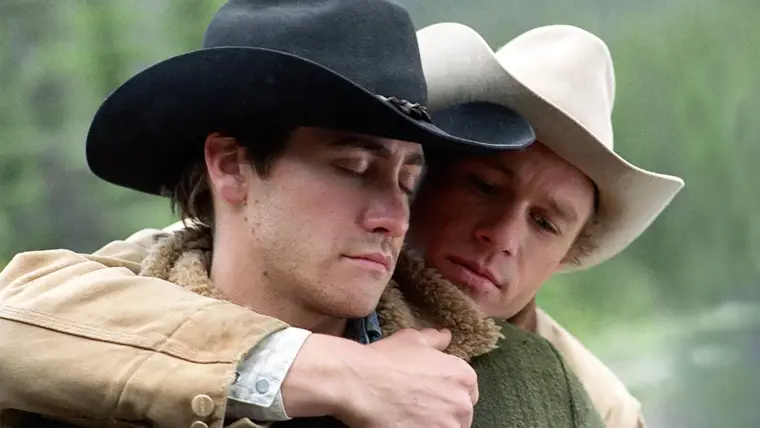
Brokeback Mountain (2005)
We wish we knew how to quit Brokeback Mountain. The doomed romance between Ennis (Heath Ledger) and Jack (Jake Gyllenhaal) in early Sixties Wyoming is one of cinema’s all time great weepies. Thanks to Ledger’s controlled, quietly devastating performance and Ang Lee’s sensitive direction, the film retains its power and never verges into sentimentality. Brokeback subverts the tropes of the classical Western with its portrayal of two cowboys inexorably drawn to each other while battling their own internalised shame.

Love Lies Bleeding (2024)
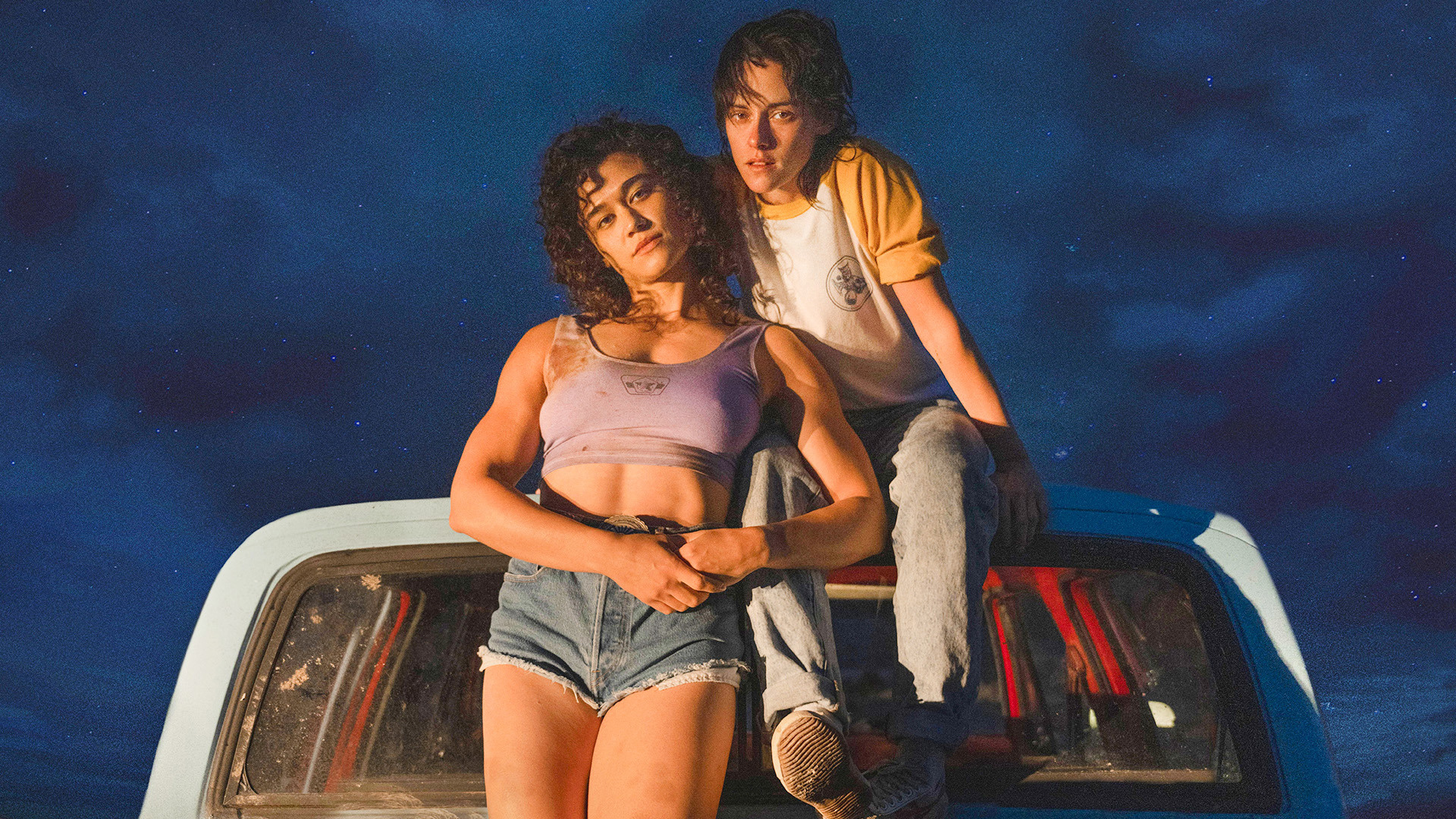
No queer tragedy here, Rose Glass’ pulpy, pulsing lesbian noir-romance-body horror hybrid is fun, freaky and downright nasty in all the right places. In late Eighties New Mexico, Kristen Stewart’s bored gym manager Lou falls head over heels for mysterious drifter/super hot bodybuilder Jackie (Katy O’Brian), but Lou’s dark secrets and Jackie’s increasing dependence on steroids threaten to tear them apart. Thelma & Louise (1991) meets David Cronenberg in this sexy sapphic thriller.
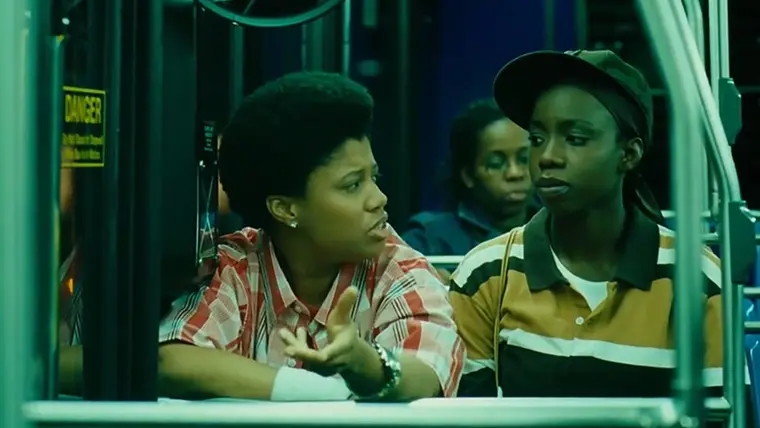
Pariah (2011)
Adepero Oduye gives an extraordinary performance as teenage poet Alike, who struggles with her emerging lesbian identity in Pariah, a landmark for Black queer representation. An honest depiction of first love, first heartbreak and the weight of familial expectations, writer-director Dee Rees’ debut film is beloved by Black LGBTQ+ audiences and recently became the first film by an African American woman to be added to the prestigious Criterion Collection.

Plainclothes (2025)
Entrapment, in which plainclothes police officers lure gay men into sexual encounters in public places and then promptly arrest them, is the notorious (and sadly ongoing) practice at the centre of this moving romantic melodrama. Writer-director Carmen Emmi, inspired by reading about real incidents around the time of his coming out, builds layers of tension into the story of Tom Blyth’s closeted cop tasked with entrapping an intriguing stranger, played by Russell Tovey. Set in the Nineties before George Michael’s infamous case of entrapment, Plainclothes is a paean to living and loving without shame.
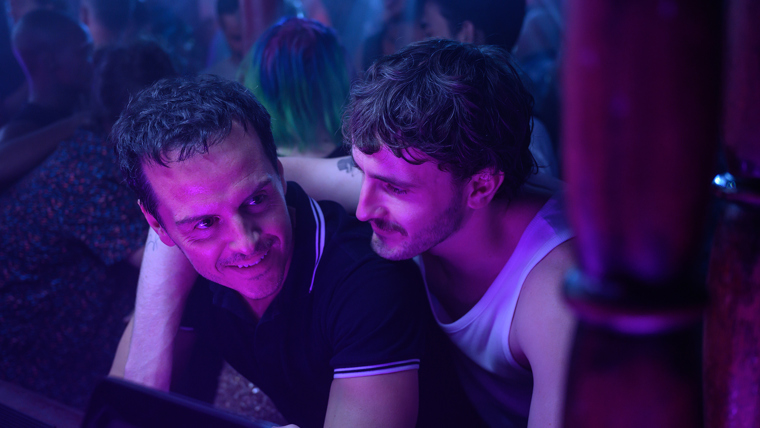
All of Us Strangers (2023)
Strange indeed, this ghost story about love and memory follows Adam (Andrew Scott), a lonely gay man attempting to write about the loss of his parents at a young age, experiences a kind of time-slip, meeting them as they were in the 1980s just before they died. Meanwhile, Harry (Paul Mescal), his only neighbour in an apparently empty block of flats, turns up at his door with whiskey and a smile. Tear-jerking and mysterious, this film is genuinely haunting, with a final needledrop that, once heard, is never forgotten.
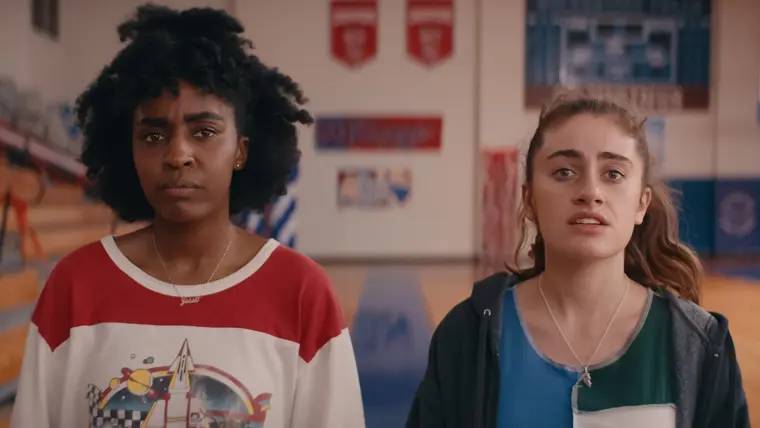
Bottoms (2023)
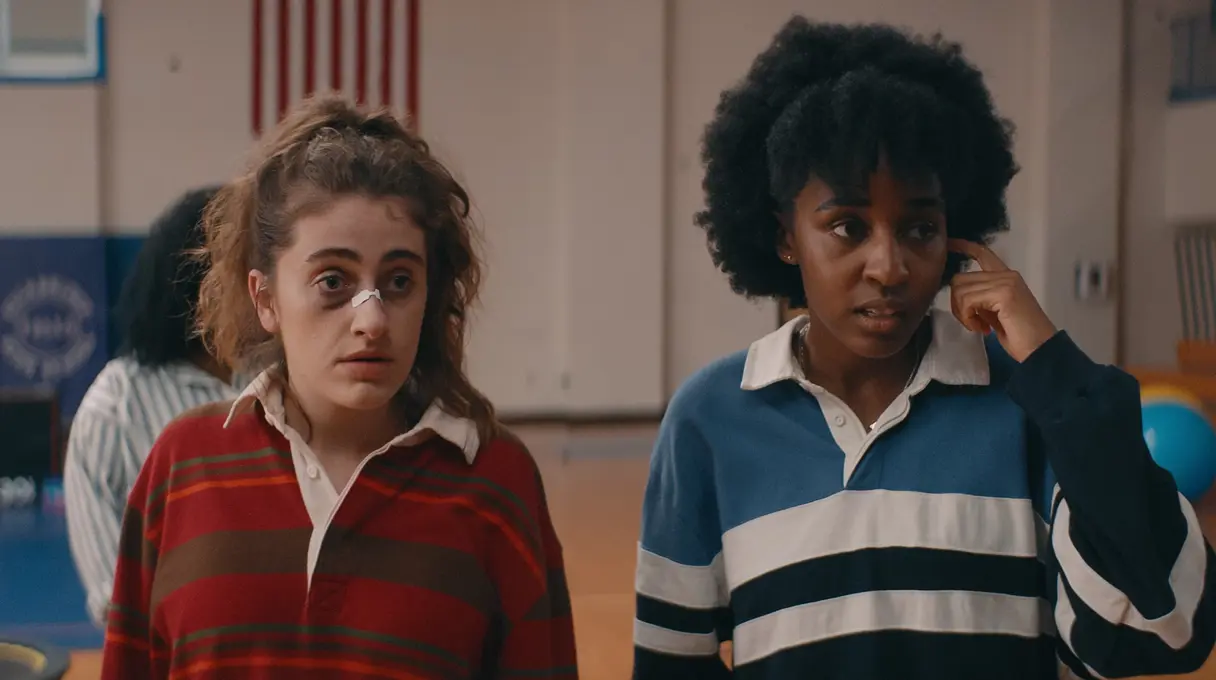
Self-styled as ‘a movie about empowering women (the hot ones)’, Bottoms is a total riot, the kind of high-concept comedy that’s becoming all too rare. Following on from her breakout film, the supremely funny and charming Shiva Baby (2020), Emma Seligman brings the chaos in this story of two lesbian outcasts, played by Ayo Edebiri and Rachel Sennott, who start an all-female fight club in the hope of hooking up before they leave high school. Bonkers and brilliant, it’s a fabulously queer take on the teen rom-com.
120 BPM (2017)
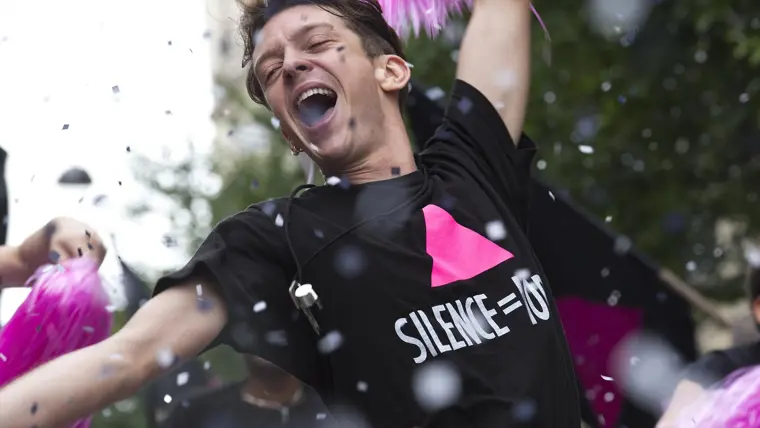
Hearts pound and voices sing out in 120 BPM, an inspiring, galvanising story of members of ACT UP Paris, the grassroots activist group advocating for the rights of Aids patients as the disease tore through queer communities in the 1990s. But this isn’t a preachy history lesson. 120 BPM is invigorating and engrossing, exposing the political apathy and immorality of pharmaceutical companies in response to the crisis, but also telling a humane emotional story, at the heart of which is a sensational performance by Nahuel Pérez Biscayart as firebrand Sean, who is HIV-positive, plus a great supporting turn by Adèle Haenel as impassioned lesbian activist Sophie.
Call Me by Your Name (2017)
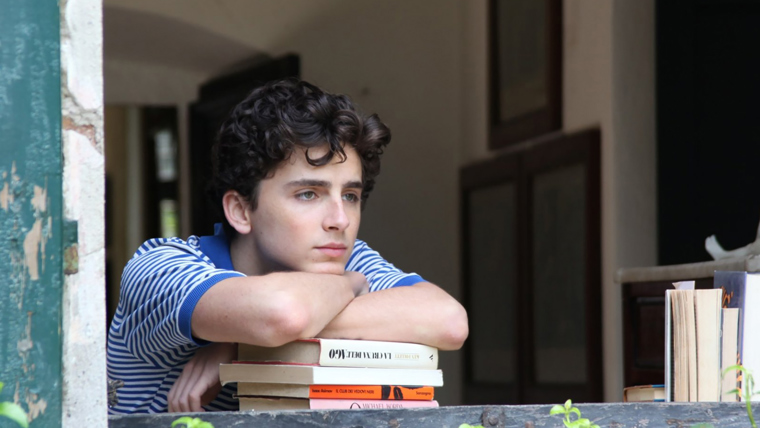
The film that launched the career of that promising, doe-eyed young thing named Timothée Chalamet, Call Me by Your Name, adapted from the André Aciman
novel by legendary British screenwriter James Ivory of Merchant Ivory, is rich with sensorial pleasures and intense emotion. You can almost feel the warmth of the Italian sun where Elio (Chalamet) spends the summer of 1983, smell the grass, taste the notorious peach. His infatuation with older resident student Oliver (Armie Hammer) is all the more beautiful for its brevity, and Ivory’s references to his own groundbreaking queer film Maurice (1987) heighten its resonance.
Tangerine (2015)
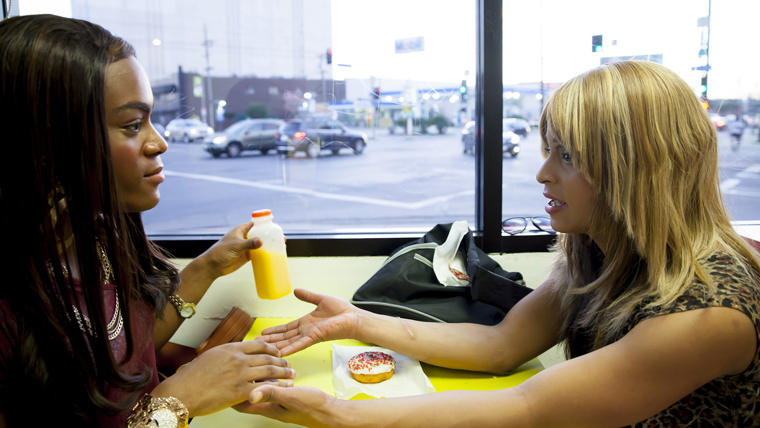
Tangerine, directed by future Oscar winner Sean Baker, grabbed headlines for being shot on a microbudget using three iPhones, but its impact can be measured not only in inspiring other upcoming filmmakers to take a DIY approach, but also in its compelling, authentic portrait of the lives of trans women in America. Like Carol, it’s an alternative festive film, following Black trans sex workers Sin-Dee (Kitana Kiki Rodriguez) and Alexandra (Mya Taylor) on a series of chaotic misadventures around LA on Christmas Eve. Raw, darkly funny and full of hope, it’s earned a place in queer cinema history.
Challengers (2024)
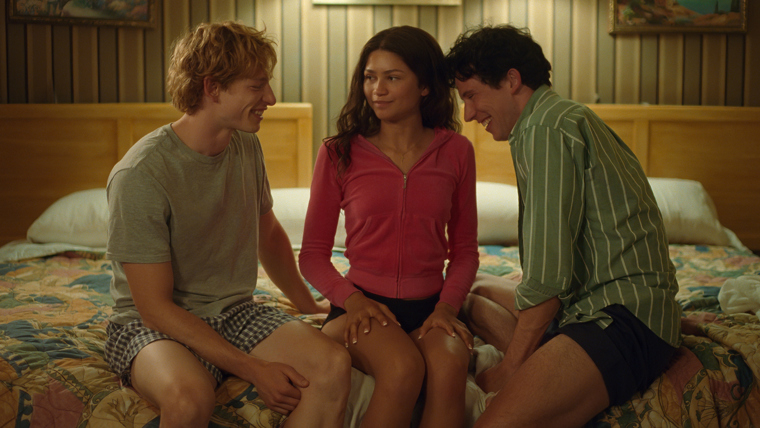
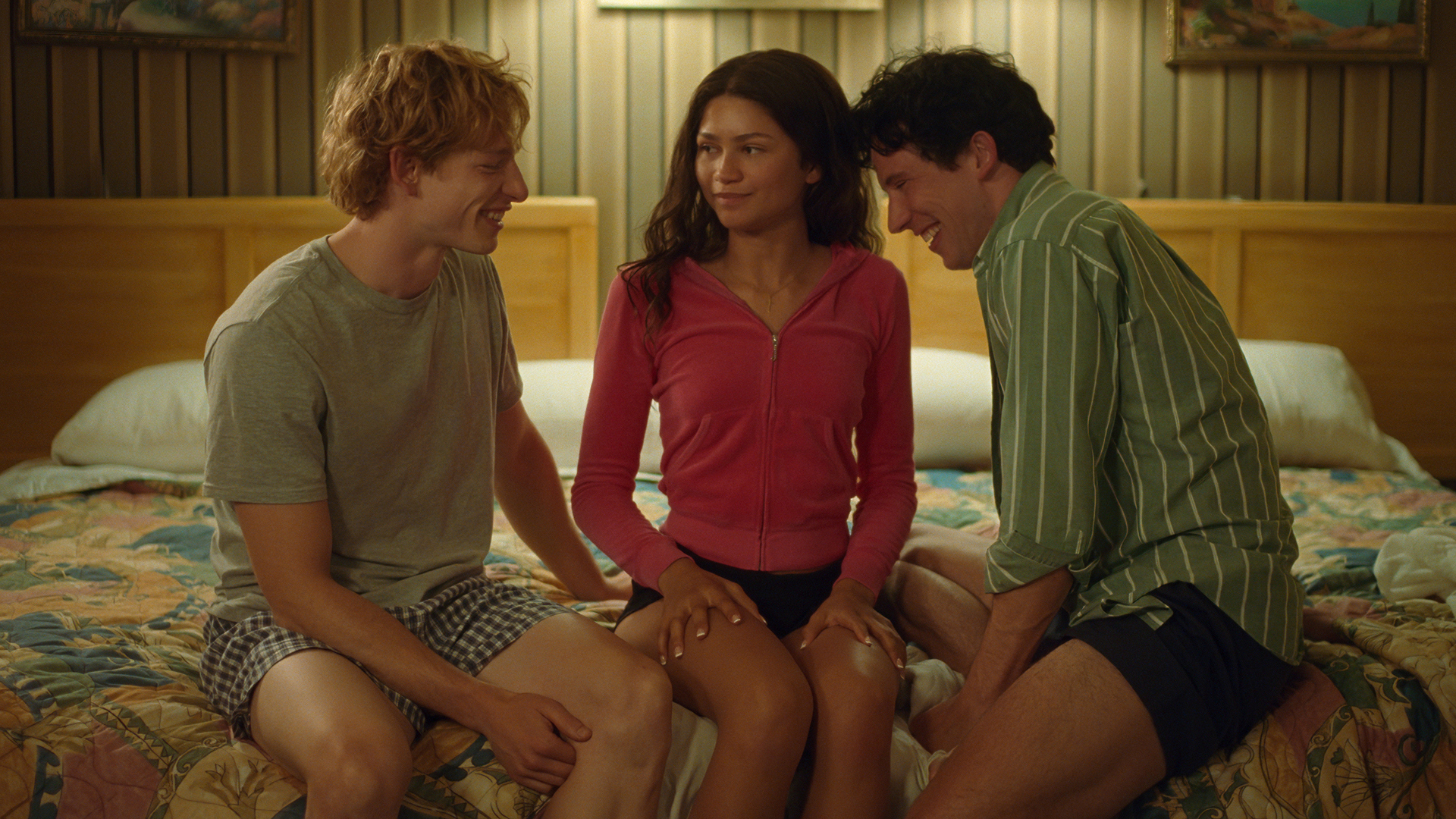
No one captures homoerotic desire quite like Luca Guadagnino, hence his second appearance on this list. Challengers features a love triangle where all three corners touch – quite literally. An intoxicating web of desire forms between Tashi (Zendaya), a tennis star turned coach, her husband Art (Mike Faist), a champion she shaped, and her ex and Art’s former best friend Patrick (Josh O’Connor). Guadagnino’s email pitch to composers Trent Reznor and Atticus Ross read ‘Do you want to be on my next film? It’s going to be super sexy’, and the pair certainly delivered with a heart-pounding electronic score that intensifies the eroticism.
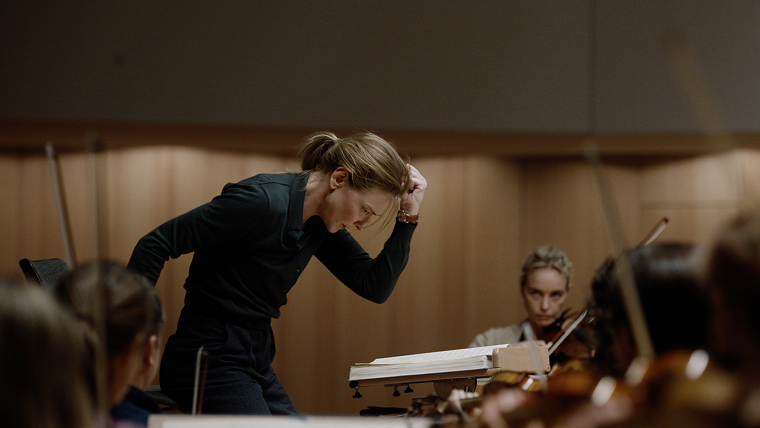
Tár (2022)
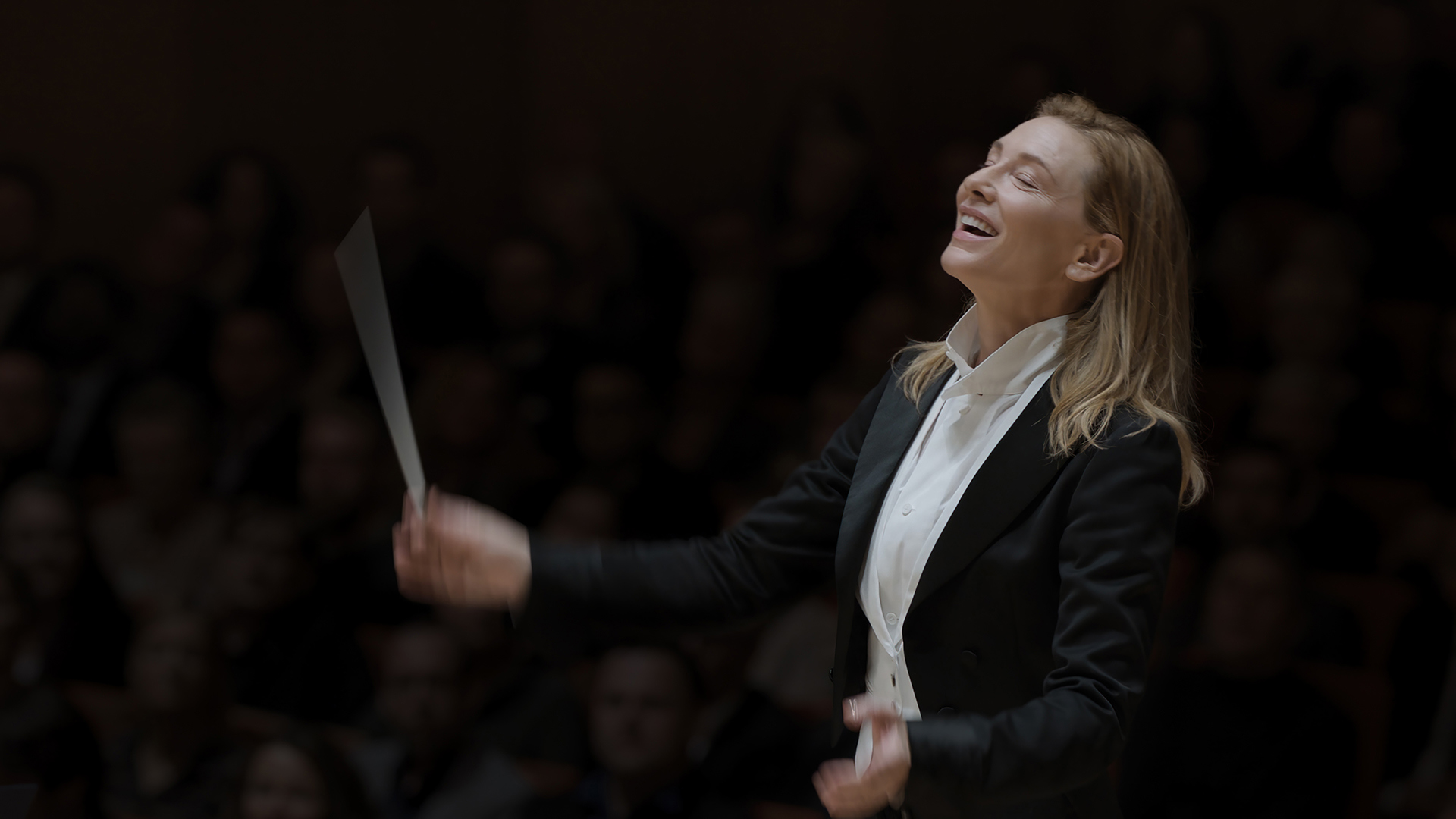
Cate Blanchett delivers a staggering performance as Lydia Tár, one of the great antiheroines of the 2020s. A cautionary tale of ego, misuse of power and the art of performance itself, director Todd Field’s coldly melancholy study of a lesbian classical conductor whose past catches up with her is truly unique. Lydia’s carefully controlled world begins to rupture after allegations from a former student she seems to have groomed, who recently died by suicide, become public after her death. Field even includes ghostly figures semi-concealed in the corners of certain shots as if the film itself is being haunted.
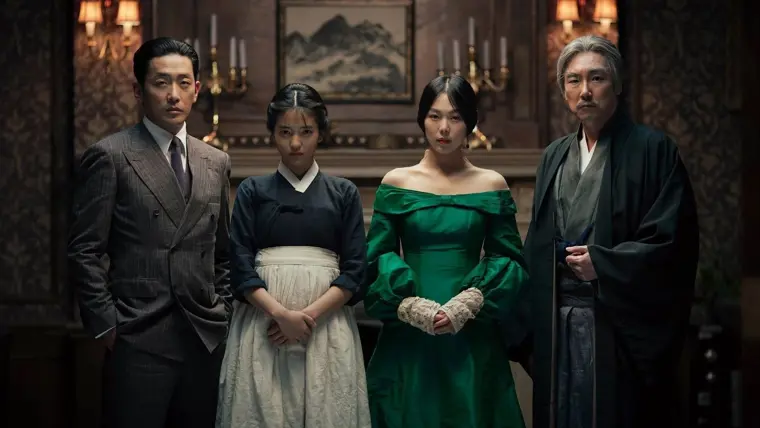
The Handmaiden (2016)
If there’s one thing Sarah Waters’ Fingersmith lacks it’s an octopus. In adapting her page-turning Gothic lesbian novel from 2002, Park Chan-wook transplants the action from Victorian England to Japanese-occupied Korea in the early 20th century and adds his own specific flavour of dark eroticism. And yet Park never compromises on the tenderness of the love story between conwoman/maid Sook-hee (Kim Tae-ri) and Lady Hideko (Kim Min-hee). The UK’s highest-grossing foreign-language film of 2016, it contains twists and turns that are still as thrilling on rewatch as the first time.
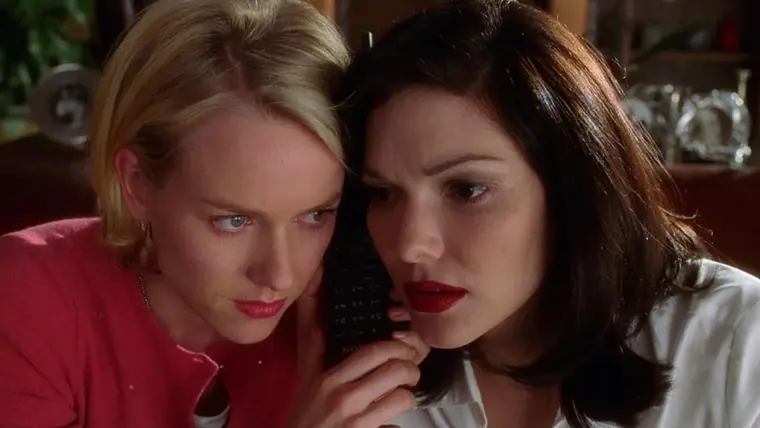
Mulholland Drive (2001)
‘It’ll be just like in the movies,’ whispers Naomi Watts’ innocent young ingénue Betty. ‘We’ll pretend to be someone else.’ Hollywood-set Mulholland Drive was first envisioned as a pilot for a Twin Peaks (1990-1, 2017) spin-off series, but David Lynch’s gorgeous, frightening neo noir mystery has an identity all of its own. A strange, unsettling world of dreams and doubling, its driving force is the intense attraction between Betty and Rita (Laura Harring), a dark-haired woman with amnesia. Just don’t ask us what the ending means.

Jennifer’s Body (2009)
It took less than a decade for Jennifer’s Body to come back from the dead, reevaluated as a feminist cult classic in the wake of the Me Too movement. This teen horror-comedy, about shy high-schooler Needy (Amanda Seyfried) facing up to the fact that her best friend Jennifer (Megan Fox) has become a flesh-eating demon, didn’t find the right audience at the time. But its depiction of the all-consuming homoerotic infatuations that can form between teenage girls (plus that kissing scene) have made it a stone-cold queer classic.
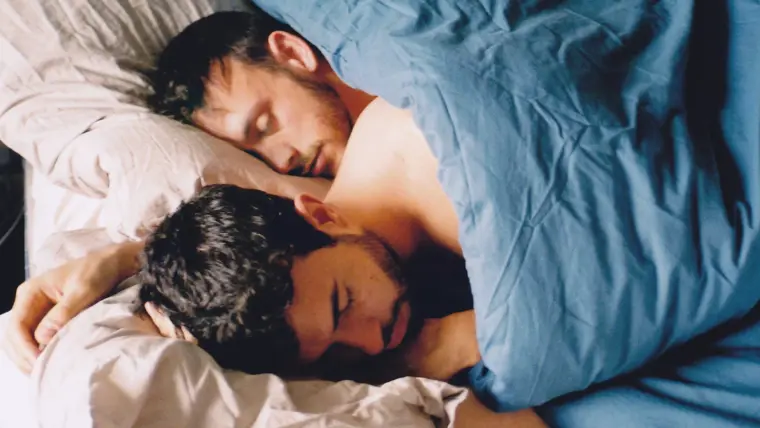
Weekend (2011)
Rather like a queer Before Sunrise (1995) or Brief Encounter (1945), this delicate, touching film begins with a one-night stand between lonely, disaffected Russell (Tom Cullen) and the more openly gay Glen (Chris New), which unexpectedly blossoms into a life-changing bond. Like Andrew Haigh’s most recent film All of Us Strangers, his breakout is enmeshed in the specifics of the queer experience, of how attraction, sex and connection manifest differently for LGBTQ+ people.
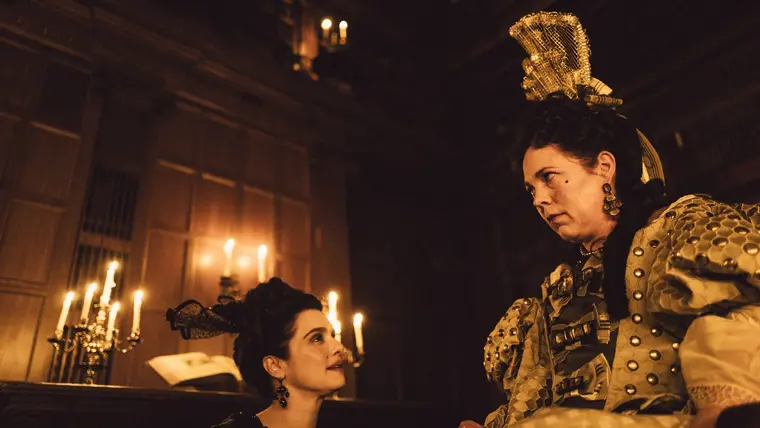
The Favourite (2018)
National treasure Olivia Colman rightly won an Oscar for her portrayal of Queen Anne in the envious position of having Rachel Weisz and Emma Stone vying for her affections. Yorgos Lanthimos’ off-kilter and razor-sharp tale of ambition, betrayal and, beneath all the affectation, genuine human tragedy. Inspired by the work of her friend Derek Jarman, legendary designer Sandy Powell created costumes made of anachronistic materials like denim and chenille to subvert expectations of a stuffy period drama.
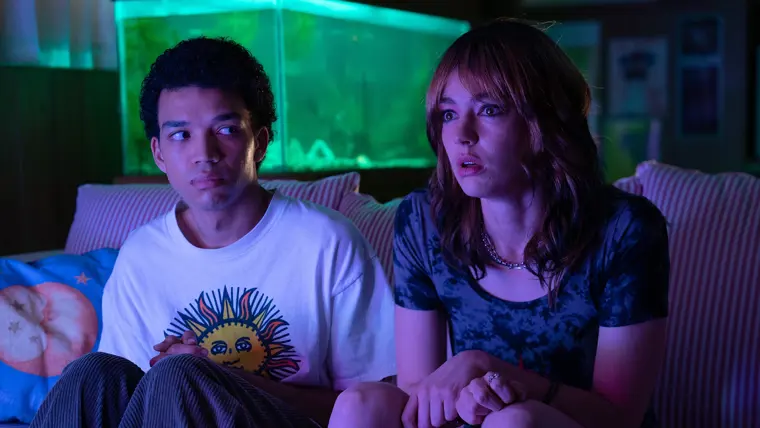
I Saw the TV Glow (2024)
In Bill Clinton’s America, isolated teenagers Owen (Justice Smith) and Maddy (Jack Haven) gravitate towards each other thanks to their shared obsession with Buffy-alike TV show The Pink Opaque, and boundaries between fiction and reality begin to blur. The film is a true leap forward not merely for trans representation on screen, but also for the form itself being reshaped to reflect the trans experience with its unconventional, David Lynch-inspired narrative, establishing filmmaker Jane Schoenbrun as a unique new voice in cinema.
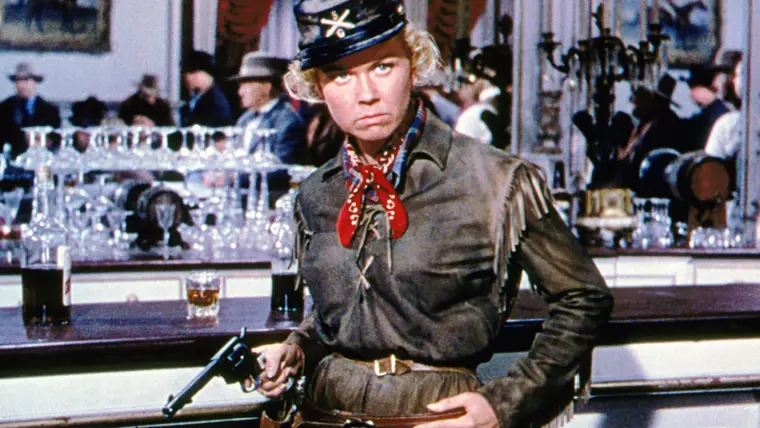
Calamity Jane (1953)
This camp classic from Hollywood’s Golden Age, very loosely based on a real frontierswoman, features multiple examples of cross-dressing and not one but two outrageously queer anthems, ‘A Woman’s Touch’ and ‘Secret Love’. Doris Day’s ‘Calam’ may eventually realise it’s Howard Keel’s Wild Bill Hickok that she really loves, but her setting up house with wannabe stage actress Katie (Allyn Ann McLerie) resembles a butch-femme lesbian relationship and is really the heart of this immensely entertaining musical.
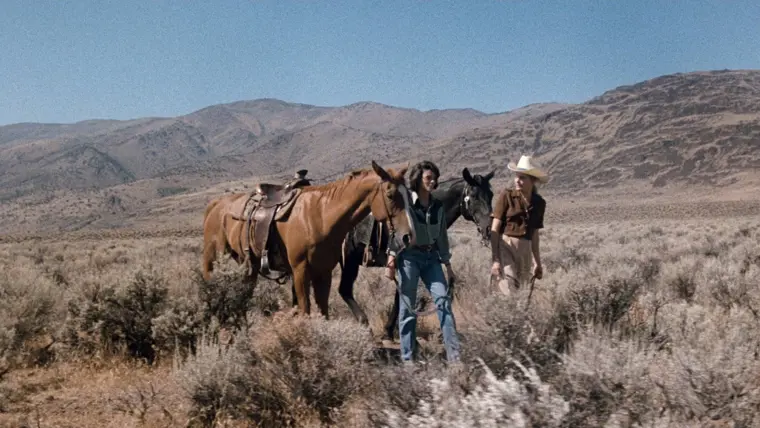
Desert Hearts (1985)
A cult classic adored by lesbian audiences and featured prominently in Desiree Akhavan’s The Miseducation of Cameron Post (2018), Desert Hearts takes place in Reno, Nevada, in 1959, where English professor Vivian (Helen Shaver) unexpectedly falls for rebellious young sculptor Cay (Patricia Charbonneau). Underappreciated on its release, it’s now rightly enshrined in the queer canon for its irresistible romance and a sex scene that’s beautifully intimate rather than exploitative.
But I’m a Cheerleader (1999)
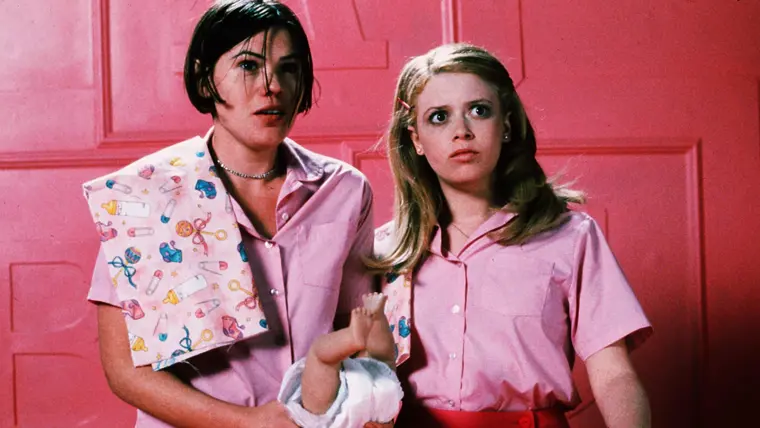
Queer director Jamie Babbit drew inspiration from the teen drug rehabilitation centre her mother ran when writing her debut feature about straight-A student Megan (Natasha Lyonne) being packed off to gay-conversion therapy, where strict gender roles must be reinforced and ‘God is good, God is straight’. Once there, she meets flirtatious bad girl Graham (Clea DuVall), an encounter that has life-changing consequences. A supporting cast featuring camp and countercultural legends like RuPaul, John Waters’ star Mink Stole, and Harold and Maude’s Bud Cort help make this a kitsch and endearingly earnest treat.
Paris is Burning (1990)
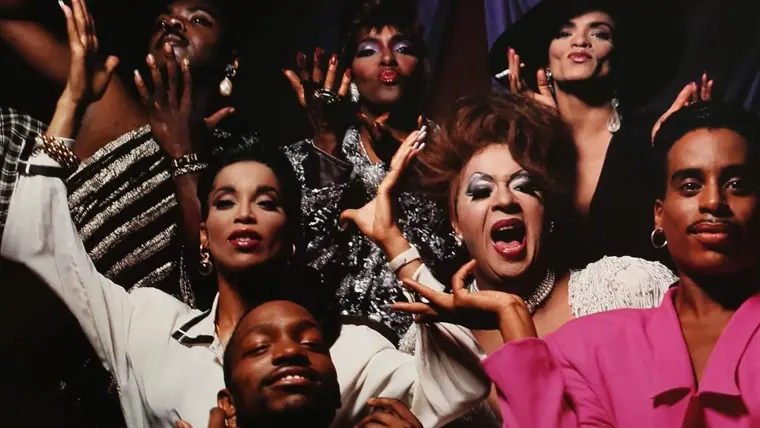
Undoubtedly the most influential queer documentary of all time. It’s difficult to overstate the cultural impact of Paris is Burning. Shot in the mid to late 1980s, and taking seven years to complete, the film is a vibrant and honest portrait of the drag ball scene in Harlem and the queens, voguers and trans women that found community within it in a time of persecution and fear. Electrifying and devastating in equal measure, it’s an invaluable record of a radical subculture that made its mark on fashion, performance and music.

Funeral Parade of Roses (1969)
Emerging from the Japanese New Wave, Funeral Parade of Roses is thought to be the first film to acknowledge Japan’s LGBTQ+ subculture. Energetic, innovative and joyful – despite it essentially being a loose retelling of Greek tragedy Oedipus Rex – it tells the story of Eddie (Pîtâ), a trans sex worker and performer at an underground gay club. She runs around Tokyo with her friends and ends up entwined in a doomed relationship. In its combination of improvised scenes for the sake of realism, and hyper-stylised editing and cinematography, Funeral feels both honest and heightened. It’s a revolutionary piece of trans cinema.
EXPLORE OUR PRIDE FILM CLUB SEASON, REBELS
RELATED ARTICLES
Review
Challengers Review: Zendaya Ignites a Fiery Tennis Love Triangle
Emotions run high in Luca Guadagnino’s smouldering three-way romance, which is bolstered by kinetically captured matches, writes Yasmin Omar.
Article
How Love Lies Bleeding Queers the Crime Thriller
Billie Walker investigates the ways in which Rose Glass’ lesbian crime thriller subverts conventional genre tropes, from romantic jealousy and gendered violence to latent machismo.
Tar